
As the countdown to the 2030 Olympics begins, Canadian luger Caitlin Nash finds herself in a precarious situation. At just 23 years old, she is grappling with the harsh reality of financial sustainability in her sport. Nash expressed her fears to CBC Sports, stating, “I’m at a point where financially I can’t sustain this lifestyle for that long.” This sentiment echoes a broader concern that many athletes in Canada face amidst a prolonged crisis in sports funding.
Over the past two decades, the core financial support provided by the federal government for sports has stagnated, despite the fact that inflation rates have surged over 50%. For instance, an item costing $100 in 2005 now requires $153.50, highlighting a significant gap in funding relative to rising costs. The situation has worsened recently, as several national sport organizations (NSOs) have been notified of impending cuts to their budgets, further complicating an already strained financial landscape.
The impact of funding cuts on athletes
The ongoing financial strain has forced many NSOs to make difficult decisions, often resulting in increased fees for athletes. For Nash, the cost of participating in the current Olympic season has risen to an astounding $25,000, a stark increase from the $20,000 she paid last year, which covered all expenses. This year, to qualify for the Olympics, she must attend numerous races across North America and Europe, adding to her financial burden.
Broader implications for Canadian sports
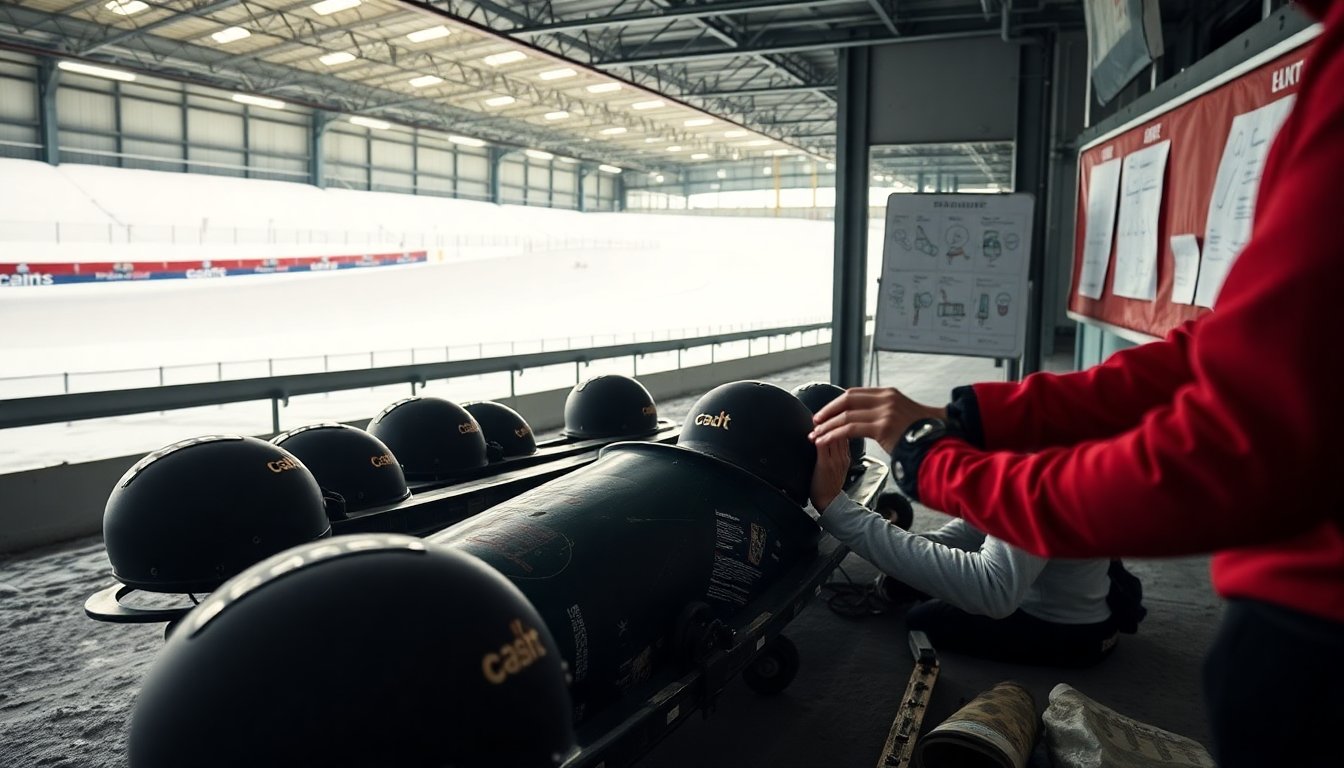
It’s not just Nash who is feeling the pinch. At Bobsleigh Canada Skeleton (BCS), team fees have skyrocketed from $2,000 in 2025 to an astonishing $25,000 this season. Originally projected at $30,000, BCS managed to reduce costs slightly due to new corporate sponsorships. However, the overall increase in fees has led to a situation where athletes, like brakeman Cesar De Guzman, are now responsible for covering travel expenses, a cost previously handled by pilots.
For De Guzman, who did not compete in the 2025 Olympics, the financial burden is overwhelming. He likened the struggle to prepare for the competitive landscape to facing the daunting task of climbing Everest. This scenario is not unique to bobsleigh; many athletes across various sports are grappling with similar challenges and increasing costs.
The disparity in funding
While some Canadian athletes have achieved remarkable success, such as speed skater Isabelle Weidemann, who clinched multiple medals at the 2025 Winter Olympics, even she has not escaped the funding crisis unscathed. Weidemann disclosed her struggles with debt due to the costs associated with her training and competition, which have become unsustainable as funding from Speed Skating Canada dwindles.
The situation is compounded by the fact that nations like Germany, Italy, and France are investing significantly more in their athletes—often tenfold compared to Canada. David Shoemaker, CEO of the Canadian Olympic Committee, voiced his concerns, stating that the current funding model is unsustainable if Canada wishes to remain competitive in the global sports arena.
Proposed solutions and the need for change
The funding structure for sports in Canada is supported primarily through government and corporate sponsorships. However, a troubling trend has emerged where the financial support from the federal level has stagnated, leaving NSOs scrambling for resources. Recent proposals from the government suggested a modest investment of $41 million over two years for various sports initiatives, which falls short of the $104 million increase requested by the COC.
As the financial landscape continues to evolve, athletes are increasingly looking beyond traditional funding sources. Many are seeking sponsorships or taking on secondary jobs to support their training regimens. The landscape is especially challenging for younger athletes, who may not yet have established themselves in their sports.
The future of Canadian sports
Despite the challenges, athletes continue to inspire hope and resilience. Nash remains optimistic, stating that greater funding could unlock even more potential within the Canadian sports system. The current situation raises critical questions about the sustainability of sports in Canada and whether success at international competitions could inadvertently lessen the urgency for increased funding.
Ultimately, the need for a comprehensive review of the funding structure in Canadian sports is evident. As organizations and athletes continue to advocate for better support, the future of Canadian sports will depend on the ability to secure adequate financial resources and ensure that all athletes have the opportunity to compete at the highest levels.


