
Table of Contents
The Olympic Games often reflect broader socio-political dynamics, particularly in the lead-up to major events. The upcoming Winter Olympics in Milan Cortina highlight security concerns and international relations as local authorities navigate complex issues.
One significant topic is the potential role of the U.S. Immigration and Customs Enforcement (ICE) during the Games. Milan’s mayor, Giuseppe Sala, has voiced strong concerns about the implications of ICE’s presence on Italian soil, questioning whether their involvement is appropriate for such a celebrated international event.
The controversy over foreign security presence
In a recent radio interview, Sala expressed his unease about ICE’s possible involvement, stating, “We do not even know if ICE will actually come to Milan during the Olympics, and this uncertainty is problematic.” His comments reflect a broader concern regarding the intersection of local governance with international security protocols, emphasizing Italy’s sovereignty and public safety integrity.
Public reaction to the proposed security measures
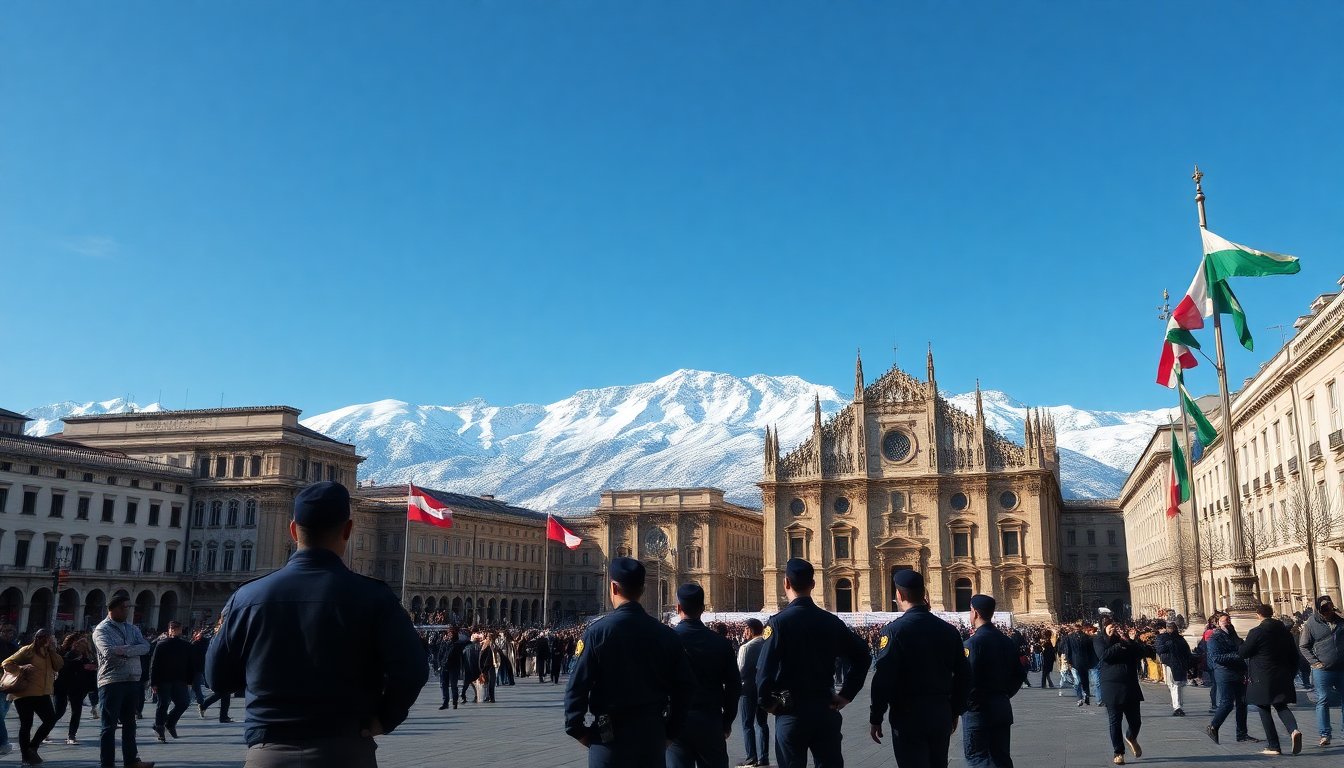
The prospect of foreign security personnel, especially those linked to the Trump administration, has sparked protests within Milan. Many residents view ICE as a controversial entity, often criticized for aggressive immigration enforcement tactics. This perception has fueled a narrative opposing their presence, with citizens demanding clarity and accountability regarding security arrangements for the Olympics.
As tensions escalate, Sala’s characterization of ICE as a “militia” underscores the political implications of such arrangements. His assertion that these agents would be unwelcome in Milan resonates with a broader sentiment against external control over domestic matters, particularly in light of recent historical contexts.
Balancing security needs with local governance
Hosting the Olympics involves a delicate balance between ensuring safety for international delegations and maintaining local authority. The Italian government faces the challenge of managing security operations while accommodating the needs of visiting officials. Establishing a clear command structure that prioritizes both safety and local governance is essential.
The response from government officials
In response to local officials’ concerns, the Italian Interior Ministry clarified that there are currently no formal agreements for ICE to operate within Italy. They reiterated that all security measures will remain under Italian jurisdiction, ensuring compliance with domestic laws.
However, this assurance has not quelled public outcry. Critics contend that even the suggestion of ICE’s involvement undermines local trust and raises questions about who governs public safety during major events. This ongoing dialogue underscores the importance of transparency in addressing security measures that affect both residents and international visitors.
The implications for international relations
The intersection of sports and politics is not new, but its manifestation during the Olympics can have lasting effects on international relations. As athletes from around the world gather to compete, the political climate can overshadow the spirit of the Games. The tensions surrounding the Winter Olympics in Milan Cortina serve as a reminder of the interconnectedness of sports and politics.
As the city prepares for an influx of international guests, emphasis remains on ensuring that security measures respect local traditions and democratic values. The discussion surrounding ICE’s potential involvement highlights the need for a harmonious relationship between local governance and international security protocols.
One significant topic is the potential role of the U.S. Immigration and Customs Enforcement (ICE) during the Games. Milan’s mayor, Giuseppe Sala, has voiced strong concerns about the implications of ICE’s presence on Italian soil, questioning whether their involvement is appropriate for such a celebrated international event.0