
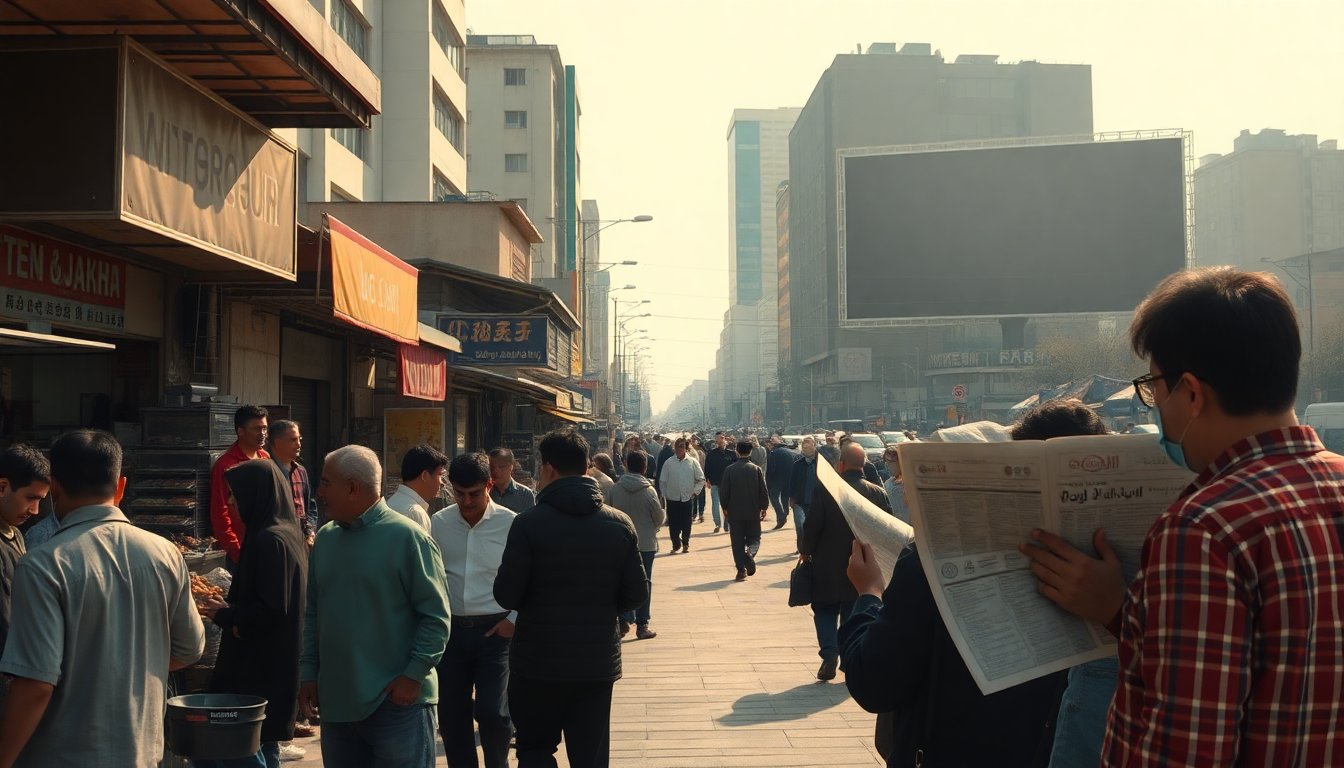
Economic impact of internet blackouts in Iran
The Iranian government’s enforcement of strict internet blackouts is having serious economic consequences. Recent estimates indicate that these state-imposed disruptions are costing Iran approximately $1.56 million per hour. This equates to a staggering $37.4 million daily. With a population exceeding 90 million, the effects of these actions are being felt across the nation.
Understanding the financial impact of the blackout
The internet blackout, which began on January 8, 2026, was a reaction to escalating protests against the clergy-led government. Simon Migliano, head of research at PrivacyCo, reports that the total economic damage from the blackout has already exceeded $780 million. Initially, the blackout led to a complete internet cut-off. This has since evolved into a phase characterized by strict filtering, which continues to hinder connectivity.
Economic model for estimating losses
Simon Migliano employed the NetBlocks COST tool, an economic model that assesses the immediate impact on a nation’s gross domestic product during disruptions to its digital economy. This model quantifies direct losses that stem from decreased productivity, limited online transactions, and diminished remote work capabilities. The analysis is grounded in data sourced from reputable institutions, including the World Bank and the International Telecommunication Union.
Protests and the demand for VPNs
The recent restrictions in Iran have significantly altered the landscape of information access and communication for its citizens. Following the restoration of partial connectivity on January 18, 2026, the demand for Virtual Private Networks (VPNs) has surged dramatically. Reports indicate a staggering increase of 579% in VPN usage. This rise reflects a growing urgency among users to bypass government filters and access global platforms such as WhatsApp and Telegram, which remain largely unavailable due to ongoing censorship.
The cat-and-mouse game of internet access
In response to governmental restrictions, many Iranians have begun to download multiple free VPNs, engaging in a cat-and-mouse game with authorities. As the government blocks specific VPN servers, providers must frequently rotate their IP addresses to evade censorship. This ongoing struggle underscores the lengths to which citizens will go to preserve their digital freedom.
Government acknowledgment of economic losses
Iran’s Minister of Information and Communications Technology, Sattar Hashemi, has publicly acknowledged the severe economic repercussions of the recent internet blackouts. He estimated that the country incurs losses of approximately 5,000 billion rials each day due to these disruptions, totaling nearly 50 trillion rials in broader economic impact. Although the blackout has been lifted, connectivity remains inconsistent and heavily filtered, contributing to ongoing economic challenges.
Despite the restoration of some internet services, access remains significantly restricted. Users are confined to a government-sanctioned whitelist of websites and applications, resulting in a frustrating online experience. The Iranian populace continues to navigate these limitations, seeking alternative methods to connect and communicate within a constrained digital landscape.
The implications of Iran’s internet restrictions extend far beyond connectivity. The intersection of technology, civil liberties, and economic stability illustrates the profound effects of state control in the digital age.


