
Table of Contents
At the Art Institute of Chicago, a recent addition to its collection showcases the profound tranquility that defines the works of Vilhelm Hammershøi. This Danish painter, known for his serene and introspective interior scenes, draws parallels to the celebrated style of Johannes Vermeer, yet resonates with a distinctly modern essence. Hammershøi’s art invites viewers to delve into a world where silence reigns supreme and the mundane is transformed into the extraordinary.
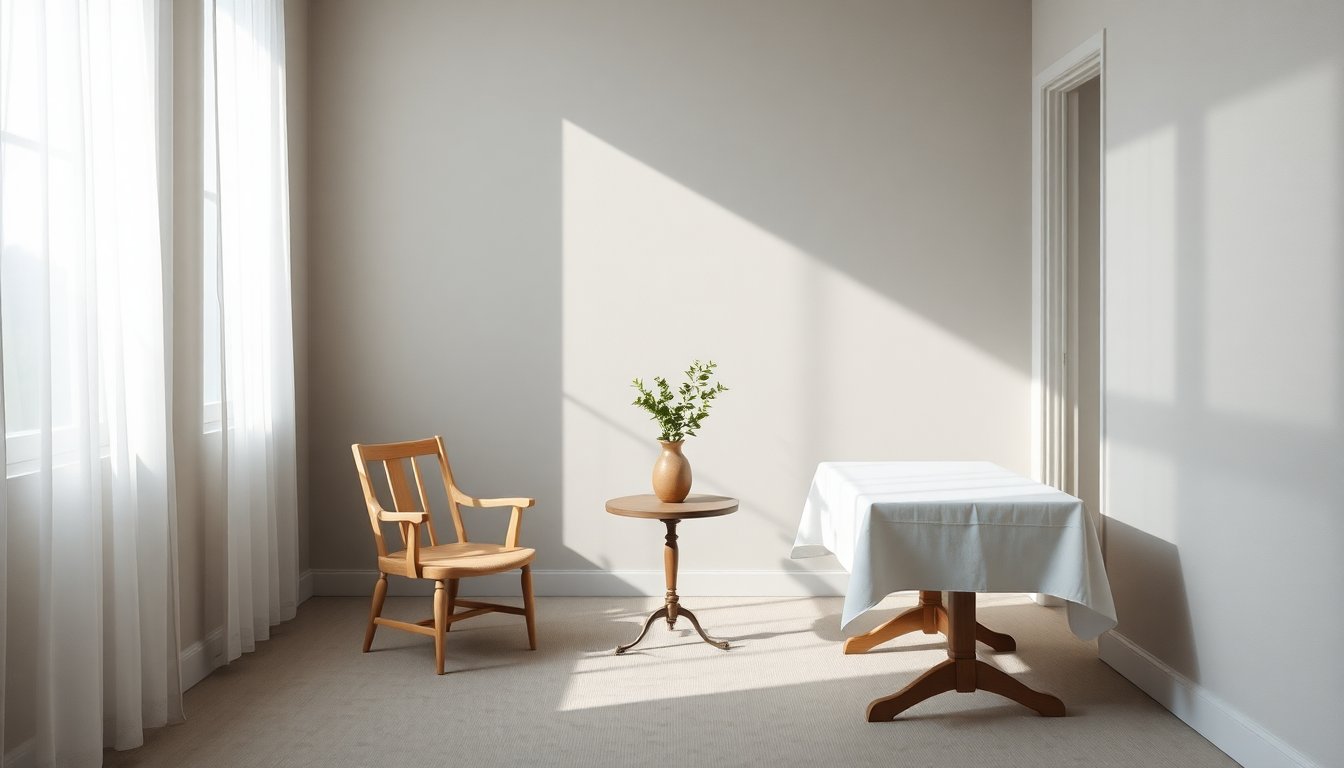
Hammershøi’s paintings often depict quiet, dimly lit rooms, filled with soft hues and an almost palpable stillness. Through the careful arrangement of light and shadow, he creates spaces that feel both intimate and expansive. The recent exhibition not only emphasizes the artist’s mastery but also situates his work within a contemporary framework, allowing audiences to engage with themes of solitude and reflection in a modern context.
The essence of silence in Hammershøi’s interiors
One of the striking features of Hammershøi’s work is the way he captures the essence of silence. His interiors often lack human presence, yet they resonate with a sense of life and emotion. The absence of people invites viewers to project their own thoughts and feelings onto the canvases, creating a personal connection with the artwork.
Exploring solitude and reflection
The stillness in Hammershøi’s paintings serves as a backdrop for introspection. For instance, in works like The Music Room, soft light filters through a window, casting gentle shadows that dance across the floor. This interplay of light and shadow not only enhances the aesthetic quality of the painting but also evokes a sense of calm and tranquility, encouraging viewers to pause and reflect.
Moreover, the muted color palette Hammershøi employs further amplifies this atmosphere of serenity. The subtlety in his use of colors, such as soft greys and warm creams, creates an inviting environment that feels detached from the chaos of the outside world. The artist’s ability to evoke such a profound emotional response through simplicity is a testament to his skill and vision.
Modern interpretations of Symbolism
Hammershøi’s work can also be contextualized within the broader movement of Symbolism, which emerged in the late 19th century. This movement sought to delve below the surface of reality, exploring the depths of human emotion and the subconscious. Hammershøi’s interiors encapsulate this essence, as they invite viewers to contemplate their own experiences and emotions in relation to the spaces depicted.
Hammershøi’s influence on contemporary art
The relevance of Hammershøi’s work extends beyond historical appreciation; it resonates deeply with contemporary audiences. In today’s fast-paced world, where noise often overshadows quiet moments, his paintings serve as a reminder of the beauty found in stillness. The act of engaging with his art becomes an experience of mindfulness, urging viewers to embrace the quietude that life can offer.
In conjunction with the Art Institute’s ongoing exhibitions, Hammershøi’s work sparks conversations about the role of silence in art and life. As we navigate through the complexities of modern existence, his interiors encourage us to find solace in the quiet moments that often go overlooked.
Conclusion: a journey into the heart of silence
The exhibition featuring Vilhelm Hammershøi at the Art Institute of Chicago is more than just a display of beautiful paintings. It is an exploration of silence, solitude, and the profound connection we can have with our surroundings. By showcasing Hammershøi’s interiors, the museum invites us to experience a world where silence is not merely the absence of sound, but a rich tapestry of emotions and reflections.
As visitors engage with these serene spaces, they are encouraged to reflect on their own lives and the quiet moments that shape their experiences. Hammershøi’s art remains a powerful reminder of the importance of stillness in an increasingly chaotic world, making this exhibition a must-see for anyone seeking inspiration and solace.