
Table of Contents
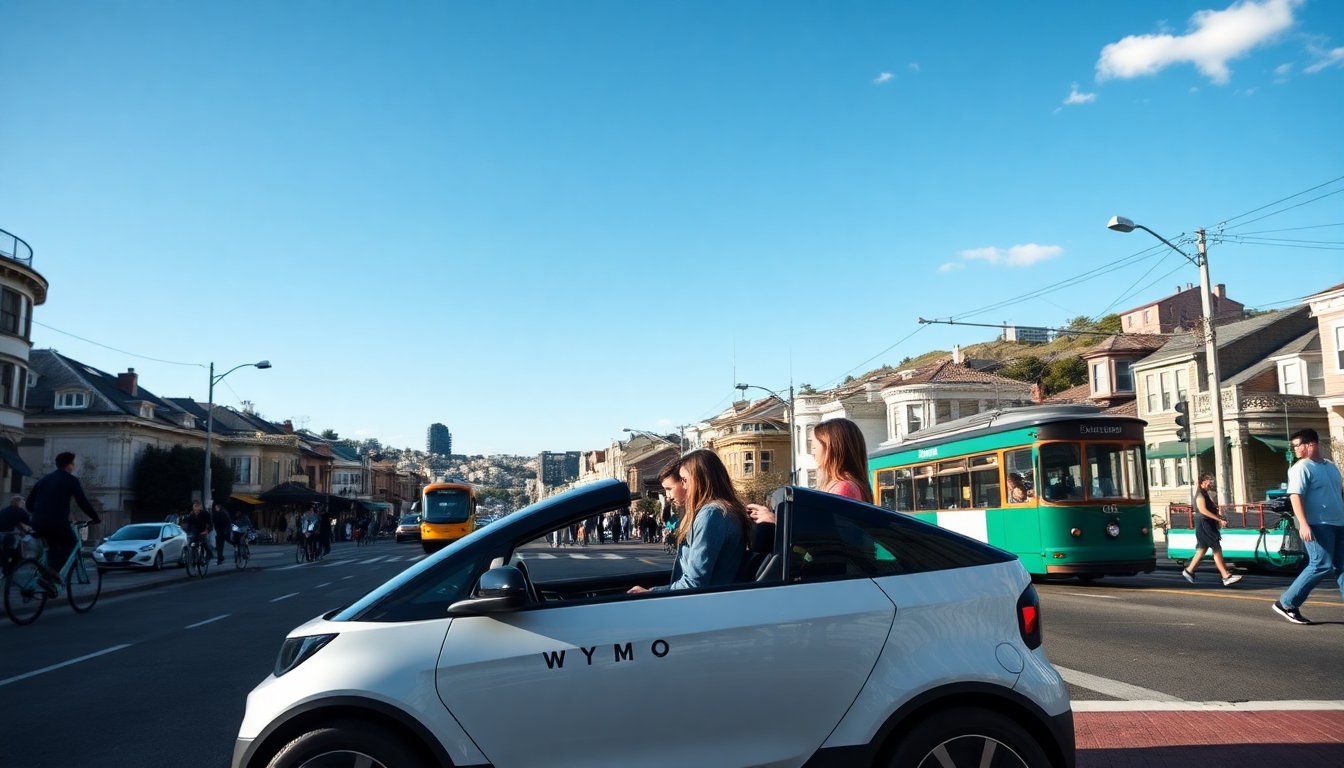
In San Francisco, a significant shift is occurring in how parents transport their children. An increasing number of families are opting forrobotaxis, particularly those operated by Waymo, to transport their teenagers, often without adult supervision. This trend raises important questions about safety, regulations, and the evolving landscape of urban transportation.
Despite explicit prohibitions against unaccompanied minors in these autonomous vehicles, many parents remain undeterred. They have embraced the convenience of using high-tech cars as a modern alternative to traditional babysitting. The narrative is changing, as more parents view theseself-driving vehiclesas a viable and safe option for their children’s commutes.
The cultural shift toward robotaxi reliance
Megan Schmidt, a mother of a 14-year-old, emphasizes how ingrained this practice has become. “It’s really become part of our culture,” she stated in a recent interview. “Whenever we’re at a friend’s house and the kids need a lift, we simply say, ‘get them a Waymo.’” This reflects a broader cultural acceptance of technology in daily life.
Many parents consider robotaxis to be a more reliable option than public transportation or inexperienced teen drivers. They argue that the convenience of summoning a ride at a click far outweighs any potential risks. Laura Mancuso, whose daughter uses the app, supports this trend, noting, “We realized it would simplify our lives. Sure, the cost is a bit annoying, but ”
Regulatory concerns and safety implications
Despite the growing acceptance of robotaxis, regulatory bodies are showing caution. For example, while Waymo has tested adolescent accounts in Phoenix—allowing teens aged 14 to 17 to ride with parental approval—California has yet to endorse such initiatives. The lack of regulatory approval raises concerns about the implications of allowing minors to travel unaccompanied in robotaxis.
Recent incidents have heightened these concerns. Reports indicate that robotaxis have endangered pedestrians, particularly children. In one troubling instance, a Waymo vehicle failed to stop for a child crossing the street, a situation that has reportedly occurred several times. School officials in Austin, Texas, have expressed alarm, emphasizing the need for immediate action to ensure student safety.
The contrast with the trucking industry
The challenges faced by robotaxis contrast sharply with the more measured approach of the autonomous trucking sector. Companies in this field prioritize safety, basing operations on extensive testing and data analysis. For instance, before launching fully autonomous operations, Aurora Innovation completed over three million miles of testing with safety drivers present.
This rigorous process stands in stark contrast to the rapid deployment of robotaxi services in urban areas. Trucking companies recognize the unique challenges posed by their vehicles. A fully loaded truck can weigh up to 80,000 pounds and typically operates on highways where traffic patterns are more predictable. In contrast, robotaxis navigate congested city streets filled with pedestrians and cyclists, necessitating a different approach to safety and technology integration.
Understanding the technology behind autonomous vehicles
The technology behindautonomous vehiclesis complex, relying on a combination of sensors for safe navigation. These includeLiDAR, radar, and cameras, each contributing to the vehicle’s ability to perceive its environment.LiDARuses laser pulses to create a detailed 3D map of surroundings, while radar performs well in adverse weather conditions. Cameras provide visual context that enhances the vehicle’s decision-making capabilities.
However, the integration of these technologies poses challenges. While Waymo employs a multi-sensor strategy, the effectiveness of these systems is often tested in real-world scenarios. For example, issues have arisen with the vehicle’s software updates, which have not resolved critical safety concerns promptly, raising questions about the reliability of the entire system.
Innovation and safety in urban transportation
Despite explicit prohibitions against unaccompanied minors in these autonomous vehicles, many parents remain undeterred. They have embraced the convenience of using high-tech cars as a modern alternative to traditional babysitting. The narrative is changing, as more parents view theseself-driving vehiclesas a viable and safe option for their children’s commutes.0