
Table of Contents
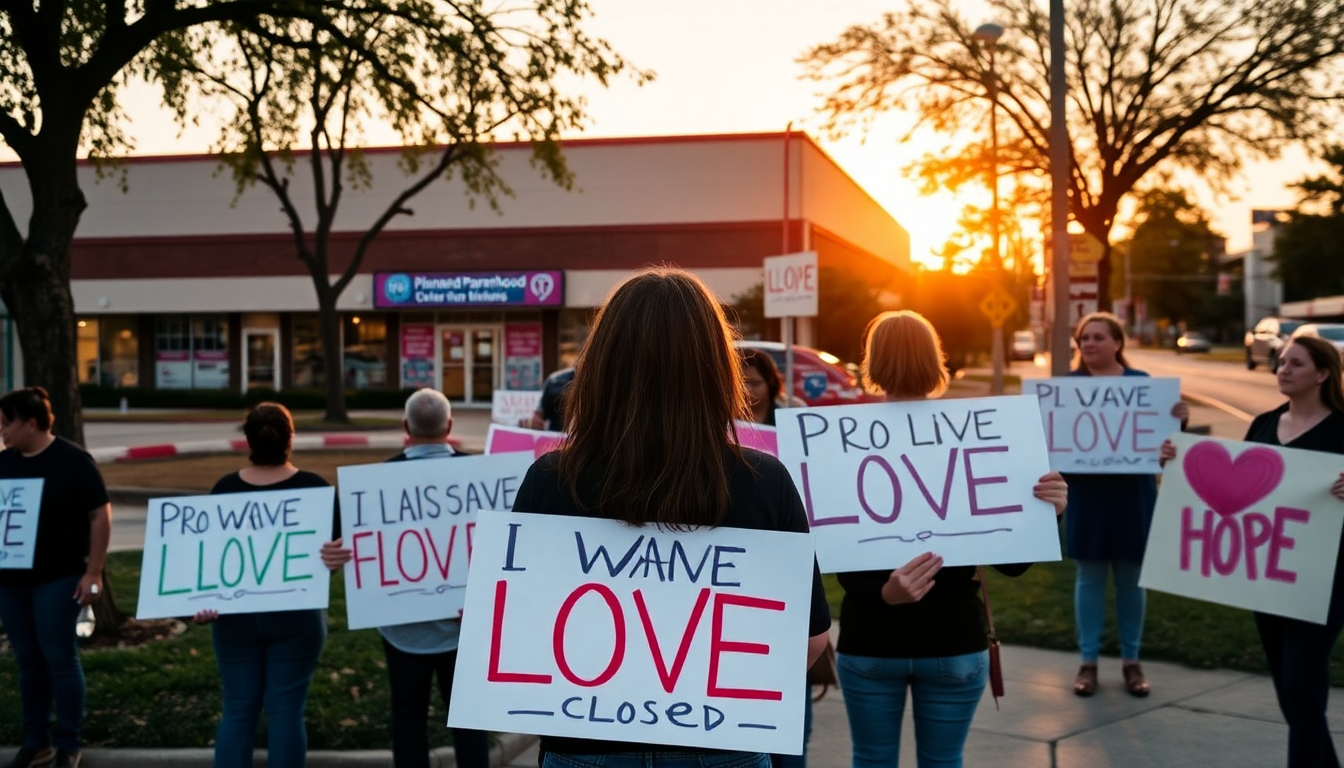
The recent news about the closure of two Planned Parenthood facilities in Houston has ignited quite a bit of conversation within the pro-life community. For many activists, this isn’t just a logistical change—it’s a symbolic victory in the ongoing battle over reproductive rights and access to abortion services in the U.S. Abby Johnson, a former Planned Parenthood clinic director who has since become a pro-life advocate, expressed that these closures are a significant win for the pro-life movement, highlighting the shifting landscape of abortion access in Texas and beyond.
Market Dynamics: The Closure of Facilities
As we see a transformation in reproductive health services, the closure of the Prevention Park and Southwest centers on September 30 marks a pivotal moment. Planned Parenthood Gulf Coast’s decision stems from a combination of factors, including rising operational costs, staffing shortages, and low reimbursement rates. But what does this really mean? These closures are more than just numbers; they reflect broader trends in healthcare access and the economic challenges facing clinics in states with strict abortion laws.
Texas has experienced a seismic shift in its abortion policy after the Supreme Court’s 2022 decision that overturned Roe v. Wade, giving regulatory power back to individual states. This change has led to a significant drop in the availability of surgical abortions. As Johnson pointed out, the once-bustling 78,000-square-foot clinic that served as a hub for abortion services has now become a relic of a different era. For pro-life supporters, the closure carries a powerful message, indicating a substantial change in the operational capacity of one of the largest abortion providers in the country.
Moreover, Johnson highlighted that while these closures may appear minor in the grand scheme, they signal a real shift in the availability of abortion services. Women in Texas are increasingly turning to online providers, showcasing their determination to seek reproductive health services, despite local restrictions. This move toward digital platforms for abortion services not only reflects changing market dynamics but also underscores the hurdles traditional service providers are now facing.
Trends in Pricing and Investment Opportunities
When we analyze the current landscape, it’s crucial to consider the economic effects of these closures on the overall real estate market. As Planned Parenthood facilities close, attention shifts to the potential for redeveloping these spaces. Investors looking to adapt to changing healthcare needs might find opportunities in repurposing these facilities for alternative uses, like community health centers or other essential services that cater to local demands.
The data regarding property values in areas with reduced abortion access may also illuminate broader trends in real estate investments. A decline in demand for these facilities could lead to lower property values in those locations. However, savvy investors might see this as a chance to enter the market at a lower cost, anticipating future demand for alternative health services that could emerge due to evolving local policies.
Additionally, as states like Texas tighten regulations, there’s likely to be increased demand for services in states with more liberal policies. This shift in population dynamics could lead to greater investment in regions that maintain abortion access, thereby influencing market trends and property values in those areas.
Practical Insights for Stakeholders
For those involved in the real estate and healthcare sectors, grasping the implications of these closures is essential. As the pro-life movement gains traction, it’s vital for investors and property developers to stay in tune with the changing regulatory landscape and how it affects service availability. The closing of facilities signals a noteworthy trend that could shape investment strategies moving forward.
Investors should think about the long-term effects of these shifts, especially regarding community health needs and the potential for repurposing real estate. Engaging with local communities to gauge their evolving needs can provide valuable insights into future opportunities as the demand for various health services continues to change.
Moreover, keeping a close watch on legislative developments will be key to anticipating market shifts. As laws surrounding reproductive health keep changing, so will the landscape of facilities and services available, presenting both challenges and opportunities for those in the real estate market.
Future Projections and Considerations
Looking ahead, the pro-life movement’s recent achievements, including the closure of these Planned Parenthood facilities, suggest a potential shift in public sentiment and policy around reproductive health. However, the path forward is not straightforward. While these closures mark a significant moment for advocates, the realities surrounding abortion access remain complex.
Johnson’s insights indicate that while the pro-life movement may be celebrating these milestones, the need for continued advocacy and awareness is crucial. As the landscape continues to evolve, stakeholders must stay vigilant and adaptable, recognizing that the realms of healthcare and real estate are closely intertwined in this rapidly changing environment.
In conclusion, the closure of Planned Parenthood facilities in Houston is not merely a local issue; it’s part of a broader national narrative reflecting changing attitudes towards reproductive rights. The implications for the pro-life movement, real estate investors, and community health providers are profound, warranting thoughtful consideration as we navigate this intricate landscape.