
Table of Contents
Following a significant electoral victory, Prime Minister Sanae Takaichi’s administration is encountering growing skepticism about its economic policies aimed at reducing the cost of living for Japanese citizens. Despite Takaichi’s commitments to deliver a wave oftrickle-down economicbenefits, the reality is proving to be more complicated.
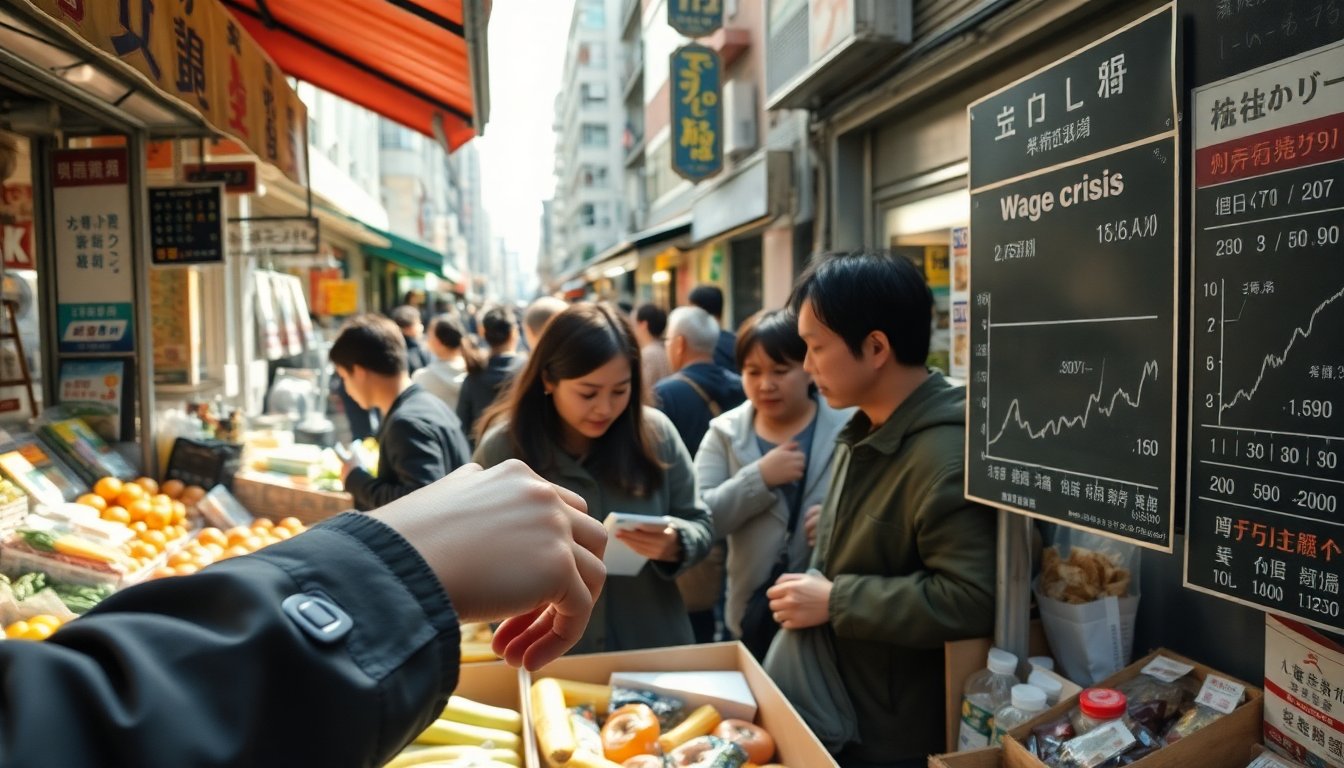
Recent data from the labor ministry indicates a concerning trend: real wages, adjusted for inflation, have decreased by1.3 percentover the past year. This decline continues a three-year downward trend in disposable income, as the rising costs of essential goods consistently surpass modest salary increases.
Understanding the economic landscape
The concept oftrickle-down economicshas long been a fundamental element of various financial strategies worldwide. It suggests that benefits granted to the wealthy will eventually benefit the broader population, promoting However, this theory is facing scrutiny in Japan, where the gap between escalating living costs and stagnant wages is widening.
Wage stagnation and inflation
The latest data reveals a stark reality. Average wages have not kept pace with inflation, resulting in a significant decline in purchasing power for many workers. Essential items such as food, housing, and energy have experienced substantial price increases, exacerbating the financial strain on households. Theaverage employee’sreal income has decreased, raising concerns about the effectiveness of government measures intended to stimulate economic growth.
As inflation continues to diminish the value of earnings, the prospect of a brighter financial future appears increasingly distant for many Japanese citizens. The government’s attempts to address these issues through fiscal policies and support systems will face critical scrutiny in light of these discouraging statistics.
The political implications
Prime Minister Takaichi’s administration has centered its platform on tackling the cost-of-living crisis. Yet, the ongoing decline in real wages presents a significant challenge to her credibility. As public trust diminishes, the government may struggle to implement its planned economic measures.
Public sentiment and confidence
With voters feeling the impact of rising prices and stagnant wages, confidence in the government’s economic strategies is dwindling. Patience among the electorate may wear thin if tangible improvements do not emerge soon. Takaichi’s pledge of prosperity throughtrickle-down economicsmay soon face scrutiny as citizens seek more effective solutions to their financial challenges.
The administration may need to adjust its focus, emphasizing direct support for low- and middle-income earners rather than relying solely on future benefits for the wealthy. As the situation evolves, the government’s capacity to adapt and respond to these economic challenges will be vital for restoring public trust.
A critical juncture for Japan’s economy
As Japan navigates this challenging economic landscape, the effectiveness of Prime Minister Takaichi’s policies remains uncertain. The persistent decline in wages, coupled with soaring inflation, questions the viability of thetrickle-downapproach. The government finds itself at a pivotal moment: it must either modify its strategies to prioritize immediate relief for struggling households or risk alienating the very voters it aimed to support.
As the nation contends with these economic realities, the credibility of Takaichi’s promises will face rigorous testing in the coming months, determining not only the future of her administration but also the financial well-being of numerous Japanese citizens.