
Table of Contents
Kapikoy: a crossing ordered by fear, weariness and the need to keep moving
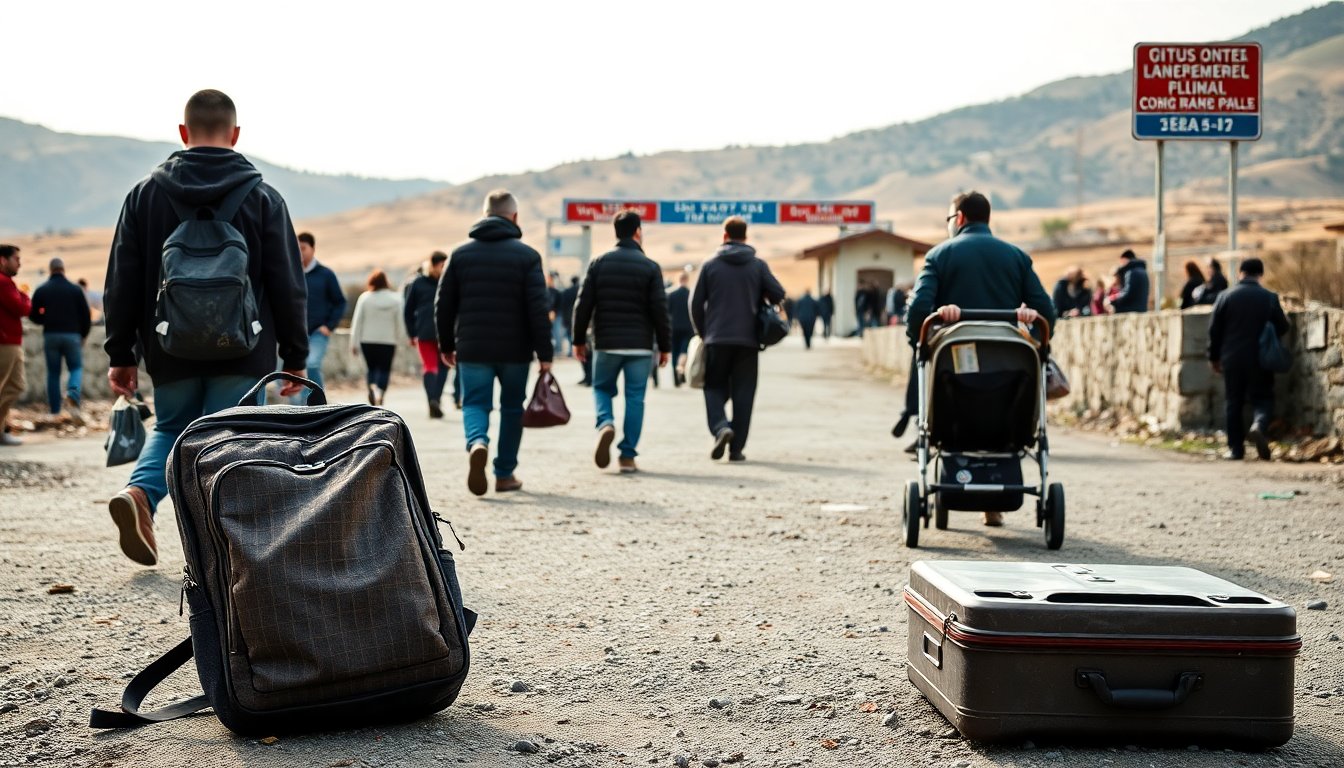
The Kapikoy border post, perched where Turkey meets Iran in a rolling sweep of mountains, feels like a place suspended between relief and uncertainty. People stream through with backpacks and small suitcases; families slip across in the night; border officials work under a pale winter sun. Many of those arriving have just endured tense overland journeys from Tehran and other cities—trips interrupted by internet blackouts, rattled by reports of airstrikes, and shadowed by the anxiety of unclear leadership at home.
Relief is visible on faces: the stiffness of travel slackens, shoulders drop. But fear lingers. Some interviewees speak bluntly about why they left; others refuse to be named, fearful of reprisals. The checkpoint captures a broader unraveling: daily routines overturned, communications frayed, and movement funneling through the few official exits still open.
Why people are leaving now
A convergence of pressures is driving people to the border. Political repression has intensified, with arrests of protesters and activists reported across multiple cities. Recurrent blackouts and social-media restrictions have made organizing and information-sharing precarious. At the same time, persistent inflation and job losses are hollowing out household resilience—what used to be manageable has become a constant scramble to get by. For many young men, the immediate and terrifying threat is aggressive conscription and forced military service.
Security concerns are the catalyst for many departures. Border witnesses describe targeted violence, arbitrary detentions and a palpable fear of collective punishment. What may begin as a supposedly temporary trip—an ostensible business visit or family gathering—often stretches into a prolonged displacement when safety and livelihoods can’t be reestablished. That pattern complicates humanitarian responses, from short-term shelter and registration to planning for longer-term assistance.
With Iranian airspace closed, roads and ground corridors have become the main escape routes. Authorities at crossings stress that travelers must complete visa and health checks; monitoring those flows helps aid agencies anticipate where pressure will mount. Dual nationals, people with relatives abroad and business travelers are among the first to leave, while others weigh the risks of staying against the uncertainty of crossing a border.
Voices at the crossing and in Van
At Kapikoy, practical decisions rub shoulders with raw emotion. A young man who gave his name as Sam said his family left Tabriz at night and joined a relative traveling for business—a strategy born equally of necessity and improvisation. An Iranian-American woman, Bridget, described being deplaned when flights grounded in Tehran; a routine trip turned into two days of overland travel and hours of tense waiting at the border.
Communication blackouts make everything harder. Phones drop in and out, messaging chains fragment, and crowded crossings force people to rely on word of mouth and shared vehicles. Aid workers report familiar chokepoints: long queues, cramped shelters and ad hoc coordination among local groups and volunteers. These bottlenecks are often the first sign that humanitarian systems will be tested.
Many remain reluctant to speak openly. Several people told reporters they fled after late-December protests—recalling gunfire, arrests and friends returning from detention with visible bruises. Others cling to a cautious hope that recent upheaval could lead to broader political change, even as trauma and uncertainty shape how they plan their next steps.
Military claims and the humanitarian toll
Information from inside Iran is fragmented and hard to verify independently. Humanitarian organizations, including the Iranian Red Crescent, report hundreds of deaths since the strikes began; U.S. officials describe an operation they called “Epic Fury,” saying thousands of targets were hit. The state media announcement on March 1 of Supreme Leader Ayatollah Ali Khamenei’s death intensified chaos and raised urgent questions about governance and security.
Analysts warn the crisis could escalate: more strikes or reprisals would amplify humanitarian needs, especially in areas where access is already limited. Protest movements’ ability to organize depends heavily on communications—when channels are cut, coordination, independent monitoring and casualty verification all suffer. International agencies will press for access, but security conditions and state restrictions could slow or block relief efforts.
What Kapikoy tells us about the wider displacement
Relief is visible on faces: the stiffness of travel slackens, shoulders drop. But fear lingers. Some interviewees speak bluntly about why they left; others refuse to be named, fearful of reprisals. The checkpoint captures a broader unraveling: daily routines overturned, communications frayed, and movement funneling through the few official exits still open.0
Relief is visible on faces: the stiffness of travel slackens, shoulders drop. But fear lingers. Some interviewees speak bluntly about why they left; others refuse to be named, fearful of reprisals. The checkpoint captures a broader unraveling: daily routines overturned, communications frayed, and movement funneling through the few official exits still open.1