
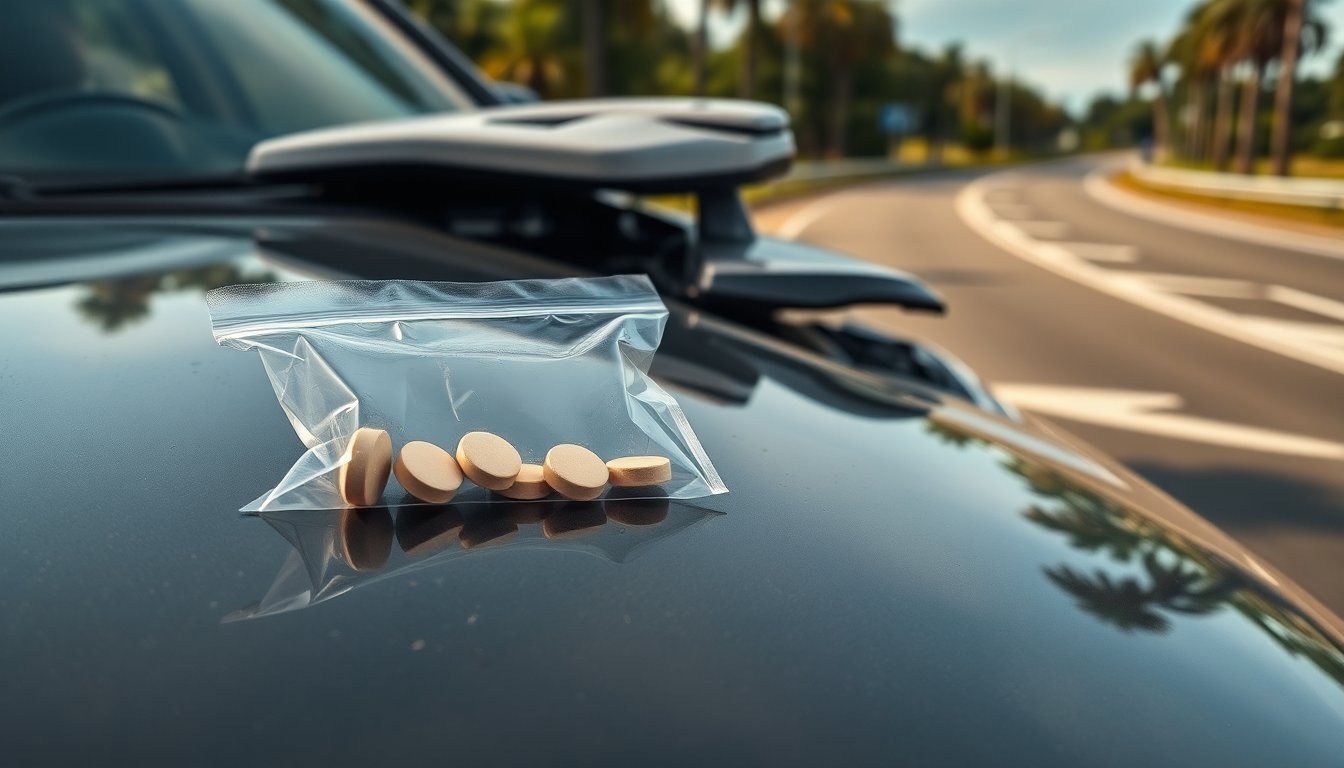
The golf star Tiger Woods has entered a written plea of not guilty in connection with a traffic collision on Jupiter Island, according to court records. The filing came after a report from the Martin County Sheriff's Office described officers observing physical signs consistent with impairment and recovering two pills identified as hydrocodone at the scene. Court documents indicate Woods intends to waive his appearance at the scheduled arraignment on April 23, while the case moves through the local legal process.
At the scene, deputies reported that Woods had bloodshot, glassy eyes and dilated pupils, and that his movements were slow and sweaty during questioning. He told officers he had taken prescription medication earlier in the day and, when asked about prescriptions, said, “I take a few.” Investigators say the pills recovered were identified as the opioid hydrocodone, commonly prescribed for pain. The initial report also records Woods saying he may have been looking at his phone and adjusting the radio just before his vehicle struck a pickup.
What happened at the crash site
Authorities described Woods driving at a high rate of speed along a residential, beachside road when his Land Rover clipped a truck and rolled onto its side. The truck reportedly sustained about $5,000 in damage. Bystanders — including the truck driver — assisted Woods out of the passenger side of the overturned vehicle. No serious injuries were reported for either driver. The proximity to homes and the road type have been noted in the sheriff's summary as context for the incident scene and the immediate response by deputies and local civilians.
Observations, tests and refusal
During a field assessment, deputies noted Woods was limping and wearing a compression sock on his right knee; he told officers he had undergone numerous prior surgeries, including on his back and legs. He also hiccupped and had trouble following instructions at times during the field sobriety test. Woods agreed to a breath test, which reportedly showed no alcohol, but he declined a urine test. The deputy who documented the encounter wrote that, based on training and observations of performance on the exercises, he believed Woods' normal faculties were impaired and that he was unable to safely operate the vehicle.
Charges, court schedule and legal context
Woods was arrested and released on bail about eight hours later. He faces a charge of driving under the influence, as well as counts related to property damage and refusal to submit to a lawful test. Florida law was amended in the past year to make refusal to provide breath, blood or urine a misdemeanor even for first-time refusals, affecting how the refusal allegation is prosecuted. Online court files list an arraignment date of April 23, and the initial entry shows Woods pleaded not guilty and plans to waive his personal appearance.
Medical history and physical limitations
Woods has long managed a complex medical history that officers documented during the encounter: multiple back surgeries and more than twenty procedures on his legs. He previously described the serious right-leg damage from a 2026 crash that nearly resulted in amputation. Those past injuries factor into explanations for his gait, the compression sock, and his repeated statements that certain motions and balance can be difficult. Deputies recorded these medical details as part of their observations while administering the field sobriety test.
Reactions and wider implications
Representatives and organizations connected to Woods had not issued public comments at the time the report was released; his agent was reported as not answering multiple requests for comment, and the PGA Tour had not provided a statement. Woods remains a central figure in golf — widely recognized and influential, serving on the tour's board and chairing a committee reshaping competitive format. The case touches on public safety, prescription medication use among high-profile athletes, and evolving state rules about test refusals.
The legal process will continue to unfold toward the arraignment on April 23, and further filings or court appearances may clarify the evidence and defenses. For now, the documentation from the Martin County Sheriff's Office sets out the observations and actions taken at the scene, while the written not guilty plea establishes the starting position for Woods' response in court.


