
Table of Contents
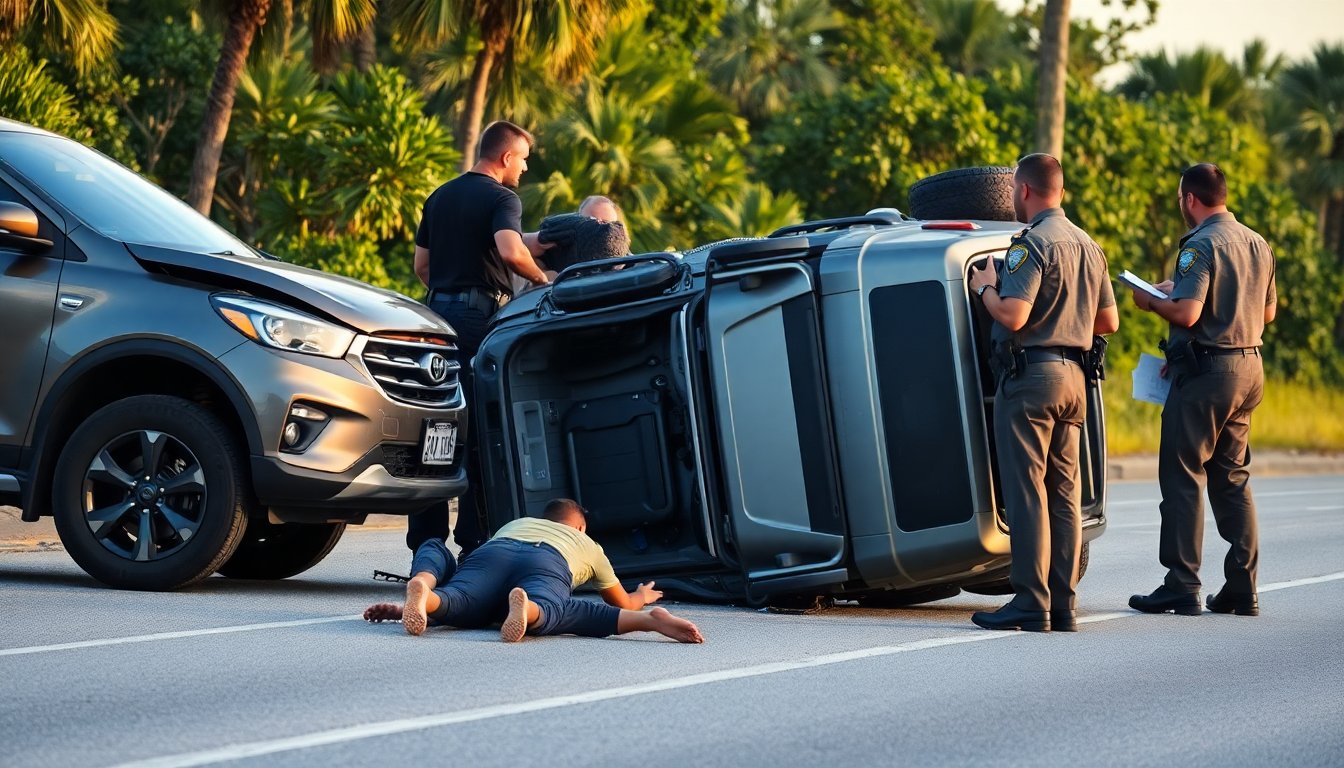
The widely reported incident occurred on March 27, 2026, when a vehicle driven by Tiger Woods left the roadway in Jupiter Island, Florida, clipped another vehicle and rolled onto its side. According to the Martin County Sheriff‘s office, Woods was able to crawl out of the vehicle from the passenger side and did not suffer physical injuries that required hospitalization. Local law enforcement described visible signs that suggested impairment, and investigators believe the condition may have resulted from medication or other drugs rather than alcohol.
Authorities said Woods cooperated at the scene and submitted to a roadside breath test, which showed no alcohol present, but he declined a urine test at the jail. Sheriff John Budensiek has said officers will follow the law impartially and that Woods was arrested on suspicion of DUI and related counts including refusal to submit to a lawful test. Under Florida procedure, the suspect was required to remain in custody for an eight-hour period before being eligible to post bail; he was held separately to reduce any risk to his safety while the booking process proceeded.
The crash dynamics and immediate response
Investigators described the sequence as an attempt to pass a truck towing a pressure washer on a two-lane road with a posted 30 mph limit. According to the sheriff, Woods’ Land Rover clipped the rear of the truck’s trailer while trying to maneuver around it, causing the SUV to roll onto its driver’s side. Witnesses and deputies at the scene noted that no other serious injuries were reported and the driver of the truck was unhurt. Photographs released by the sheriff’s office showed the vehicle on its side and personnel securing the scene while first responders assessed the situation. The wreck has prompted a formal investigation to reconstruct the exact sequence and potential contributing factors.
On-scene testing and detention
Deputies performed standard field evaluations and a breath test that returned negative for alcohol; however, the sheriff indicated the driver showed signs consistent with being affected by substances other than alcohol. Woods declined a urinalysis at the jail, an action that investigators said restricts their ability to identify a specific substance. The arrest was processed as a suspected DUI with property damage and refusal to submit to a lawful test. Sheriff Budensiek emphasized the agency’s intention to apply the law without special treatment, noting Woods would be separated from the general jail population during the overnight hold to ensure his safety.
Legal context and past incidents
This episode is not the first time Woods has faced legal scrutiny related to driving. In 2017 he was found asleep behind the wheel with the engine running and later acknowledged taking an ill-advised combination of pain medications; that case resulted in a plea to reckless driving. In 2026 Woods suffered a major single-vehicle rollover in Los Angeles that caused serious leg and ankle injuries and nearly required amputation, an event that dramatically affected his playing career. The sheriff’s account referenced that medical history as part of the on-scene evaluation but maintained investigative steps must determine whether recent medication or another factor explains the observed impairment.
How the arrest affects Woods’s plans
At the time of the crash, Woods was weighing near-term professional commitments, including a decision about competing at the Masters, which begins April 9, and a scheduled appearance to unveil a golf course project. He had been recovering from multiple procedures, including a ruptured Achilles in March 2026 and a series of back surgeries, while maintaining involvement in PGA Tour governance as chair of the Future Competition Committee. The arrest introduces new uncertainty about his availability for upcoming events and the “soft deadline” he faced about possibly captaining the U.S. team for the Ryder Cup in 2027.
Ongoing investigation and public reaction
Investigators continue to examine the crash and related evidence, while Woods’ management had not immediately provided a comment to reporters. The sheriff’s office released booking images and scene photographs as part of its public briefing. Public figures reacted, including a close associate who spoke publicly about concern; the response has contributed to a broader conversation about athlete health, medication management and accountability. As the legal process unfolds, officials say they will pursue the investigation to determine any charges and supporting evidence, and the golfing community is watching closely for updates on both the legal outcome and Woods’ recovery trajectory.