
Table of Contents
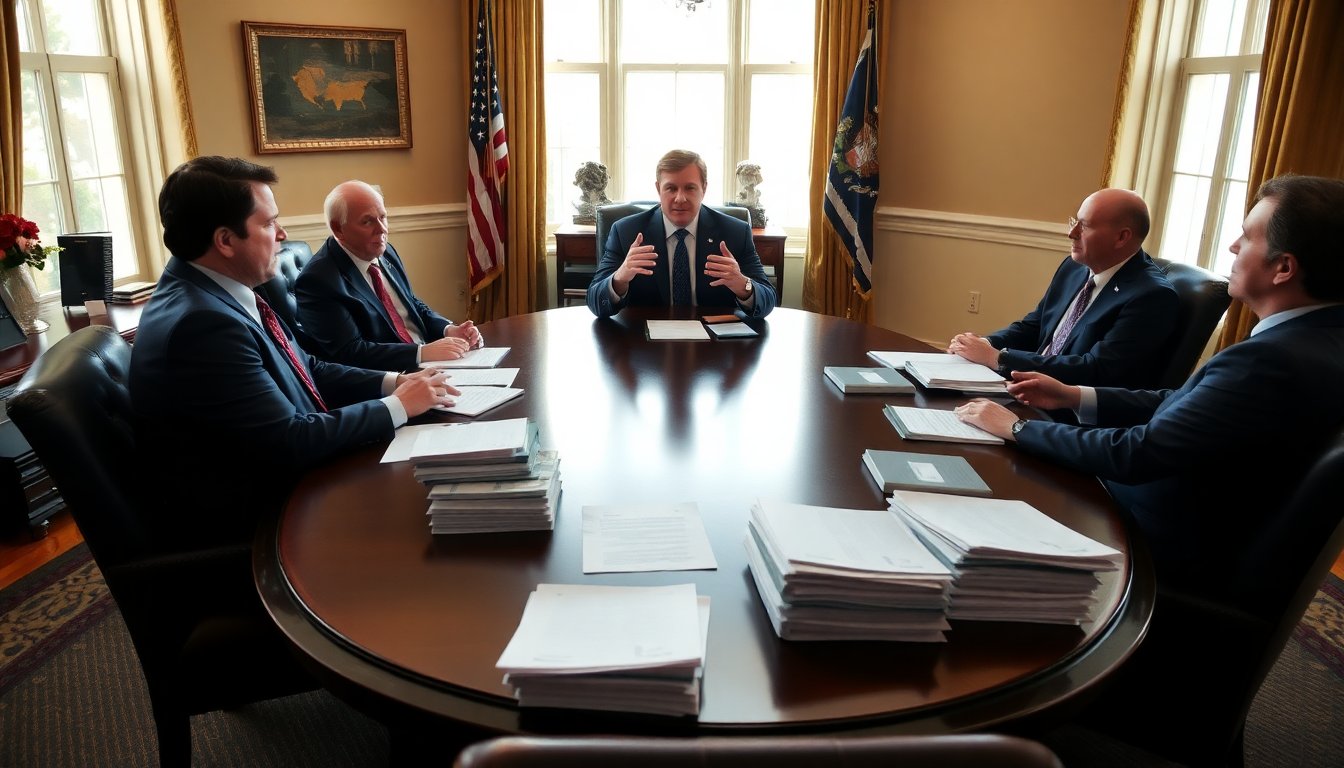
In a significant development amid escalating tensions regarding immigration enforcement, border czar Tom Homan convened with Minnesota Governor Tim Walz and Minneapolis Mayor Jacob Frey. This meeting follows a federal immigration operation that has drawn scrutiny after two recent fatal shootings in the area. The discussions centered on the urgent need for communication and collaboration to address public safety while navigating the complexities of immigration policy.
Homan’s recent appointment to oversee immigration operations in Minnesota, following President Trump’s decision to replace Border Patrol Commander Gregory Bovino, underscores the administration’s intensified focus on immigration enforcement. As unrest continues in the Twin Cities, achieving a balanced approach to law enforcement and maintaining community trust is increasingly critical.
Understanding the context of the meetings
Governor Walz emphasized the importance of impartial investigations into recent incidents involving federal agents, particularly the shooting of 37-year-old Alex Pretti by a Border Patrol agent. In light of these events, he called for a significant reduction of federal forces in Minnesota, underscoring the need for local law enforcement to maintain their integrity and trust within the community.
During the meeting, Walz and Homan recognized the necessity of ongoing dialogue to tackle the challenges facing Minnesota. Homan remarked, “We all agree that we need to support our law enforcement officers and get criminals off the streets. While we don’t agree on everything, these meetings were a productive starting point.” This statement reflects a mutual acknowledgment of the need for cooperation despite differing views on specific strategies.
Community impact and law enforcement
Mayor Frey expressed concerns regarding the effect of federal operations on community trust. He advocated for the immediate conclusion of Operation Metro Surge, a contentious initiative aimed at addressing crime but reportedly fostering fear among residents. Frey articulated that public safety is best achieved through trust and collaboration rather than through tactics that may exacerbate division.
He stated, “Minneapolis does not and will not enforce federal immigration laws,” indicating a clear stance that the city prioritizes community safety and unity over federal mandates that could alienate residents. This perspective was echoed by the local police chief, who also participated in discussions with Homan about the operational realities on the ground.
Reactions and future steps
Following Homan’s deployment to Minnesota, the White House has emphasized that the administration remains committed to its immigration enforcement stance. President Trump described the leadership changes as necessary adjustments rather than a retreat, expressing confidence in Homan’s ability to navigate these complex issues. He stated, “Homan is tough but fair, and will report directly to me,” indicating a hands-on approach to the ongoing situation.
Furthermore, Trump noted that he had engaged in conversations with both Walz and Frey, signaling a willingness to cooperate on deporting individuals with criminal backgrounds while avoiding unconstitutional arrests. This nuanced approach aims to balance federal enforcement with local concerns, a delicate tightrope that both parties must navigate.
Looking ahead
The meetings between Homan and Minnesota officials represent a critical juncture in the ongoing dialogue surrounding immigration enforcement and community relations. As the state confronts the aftermath of recent violence, an emphasis on transparency and collaboration will be vital in restoring public confidence. The outcomes of these discussions could set the tone for future interactions between federal authorities and local governments nationwide.
Ultimately, the path forward requires a commitment to fostering trust between law enforcement and the communities they serve, ensuring that public safety is prioritized without compromising the fundamental rights of individuals. As the situation continues to evolve, ongoing communication and targeted strategies will be essential in addressing the root causes of conflict and promoting a safer environment for all residents.