
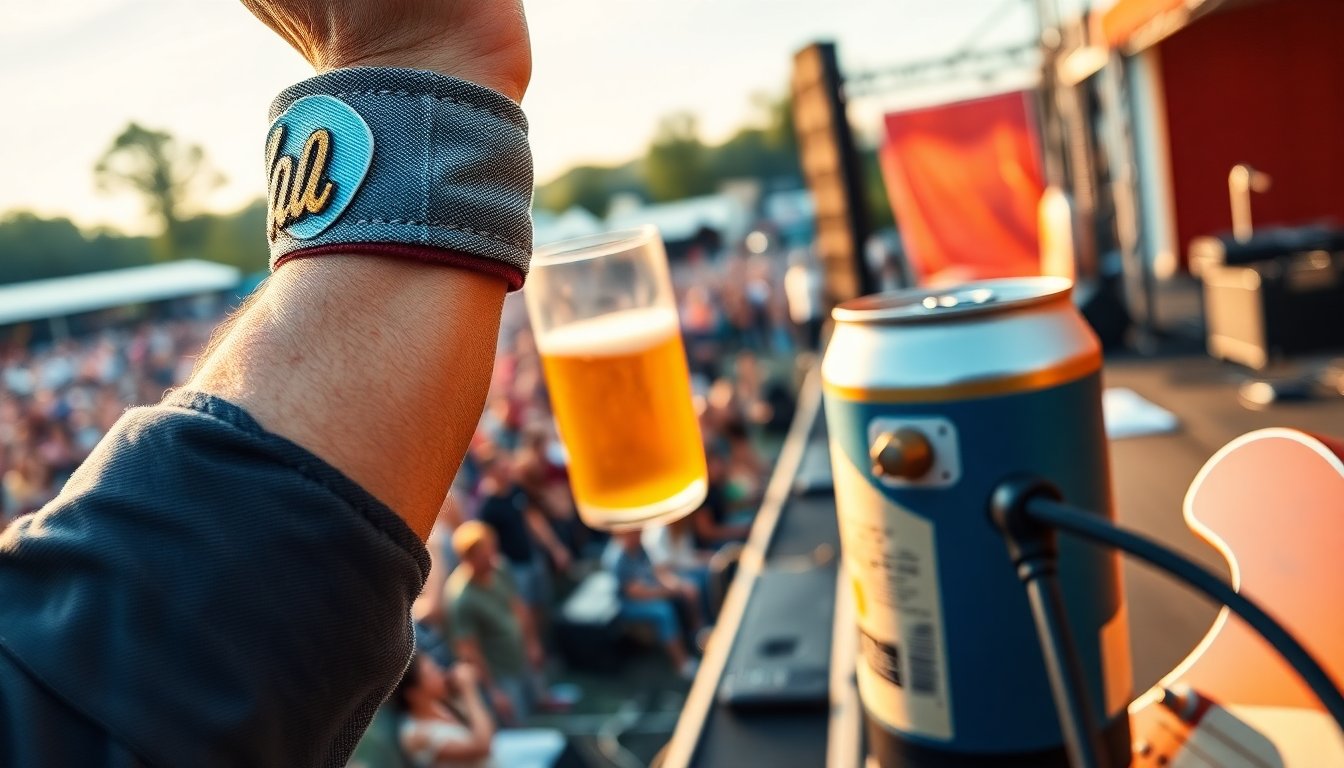
Spring 2026 in the D.C. area is shaping up to be a major vibe switch: massive pop stadium nights sit alongside sweaty club gigs, genre-bending jazz sets, rising electronic-pop, and a DIY punk festival that runs all day. After digging through venue calendars, promotional schedules and internal planning notes, here’s a clearer, more human rundown of what to expect — who’s involved, why it matters, and practical tips so you don’t get burned buying tickets or missing the best bits.
The short version
– Big names and intimate shows are both on the menu this spring — think arena spectacle and bedroom-pop closeness in the same season.
– Confirmed highlights include Lady Gaga, PinkPantheress, and Richmond’s Butcher Brown (the latter’s date moved to Fri 3/6 at The National in Richmond).
– A punk festival is experimenting with “daytime parties” that keep things social and lower-key until headliners crank it up at night.
– Promoters and venues are reworking set times, transit plans and communication to handle late finishes and crowds. Expect tweaks as the season rolls out.
Why this mix matters
Blending stadium acts with small-stage bands changes how shows run. Arena tours demand long technical setups and complicated load-ins; smaller shows favor sonic clarity and quick transitions. That affects everything from when doors open, to crowd control, to how much you’ll pay on resale. Promoters are trying to balance blockbuster ticket revenue with grassroots credibility — and that balancing act will shape local nightlife and transit for weeks.
Spotlight: Butcher Brown — reschedule, resale, and what it shows
– The Richmond band’s originally scheduled 1/24 show was pushed to Fri 3/6 at The National. The change sparked fast movement on secondary markets: balcony listings have hovered near $61 and standing-room around $53, though prices jump around.
– Why this matters: Butcher Brown sits at the crossroads of jazz, hip-hop and funk, so their shows attract a mixed crowd. Rapid resale after a date change can squeeze original ticketholders and confuse new buyers.
– Takeaway: If you had tickets, look for official transfer/refund options through the venue. If you’re buying, check the box office first and prefer verified resale channels.
The punk festival that lasts all day
Promoters are experimenting with multi-act days that mix low-key afternoon hangouts with high-energy night sets. Expect:
– Shorter, family-friendly afternoon slots near shaded seating and food vendors.
– Staggered stage times to spread crowds.
– Multiple pickup points and phased transit plans to avoid mass exits.
This format can boost how long people stay and how much they spend, but it also requires tighter crowd management and clearer re-admittance policies.
Production realities: arenas vs. clubs
– Arena shows: big rigs, full-day setups, costume and lighting changes, longer load-ins. These raise logistical costs and push curfews later.
– Club shows: leaner tech, stronger focus on sound and intimacy, shorter set times.
If you want a close, high-fidelity experience, pick intimate venues or early-entry packages. If you want spectacle, expect heavier production and possibly higher fees for VIP bundles.
Ticketing and resale — practical rules
– Always check official box-office listings first. They’re usually the safest and cheapest.
– Verified resale platforms are better than sketchy marketplaces: look for clear fee breakdowns and interactive seat maps.
– After schedule changes, secondary-market prices can spike fast. If you’re risk-averse, wait for venue confirmations or buy from accredited sellers.
– Pro tip: compare acoustics and sightlines — sometimes a balcony row beats standing-room for sound and comfort.
What venues and promoters are changing
– More precise set-time disclosures and clearer front-of-house messaging.
– Better maps and early-entry guidance online.
– Trials of clearer fee displays and official resale channels to reduce confusion.
– Coordination with city transit and ride services to ease late-night exits.
Audience behavior and programming trends
There’s a push toward programming that blends immediate club energy with longer, improvisational sections. Promoters tell bands to build transitions into sets; venues are protecting those moments by adjusting door times. The result: shows that reward people who arrive early and stick around.
Final, simple checklist before you go
– Verify your seller. Box office first → verified resale second.
– Check set times and venue maps the day of the show.
– Book your ride home in advance if a headline ends late.
– If a show is rescheduled, look for official transfer/refund instructions before buying on resale. Keep an eye on official venue posts, move quickly after announcements if you must, and favor verified sellers to avoid surprises.