
Table of Contents
Toronto rally shows support for Iranian protests
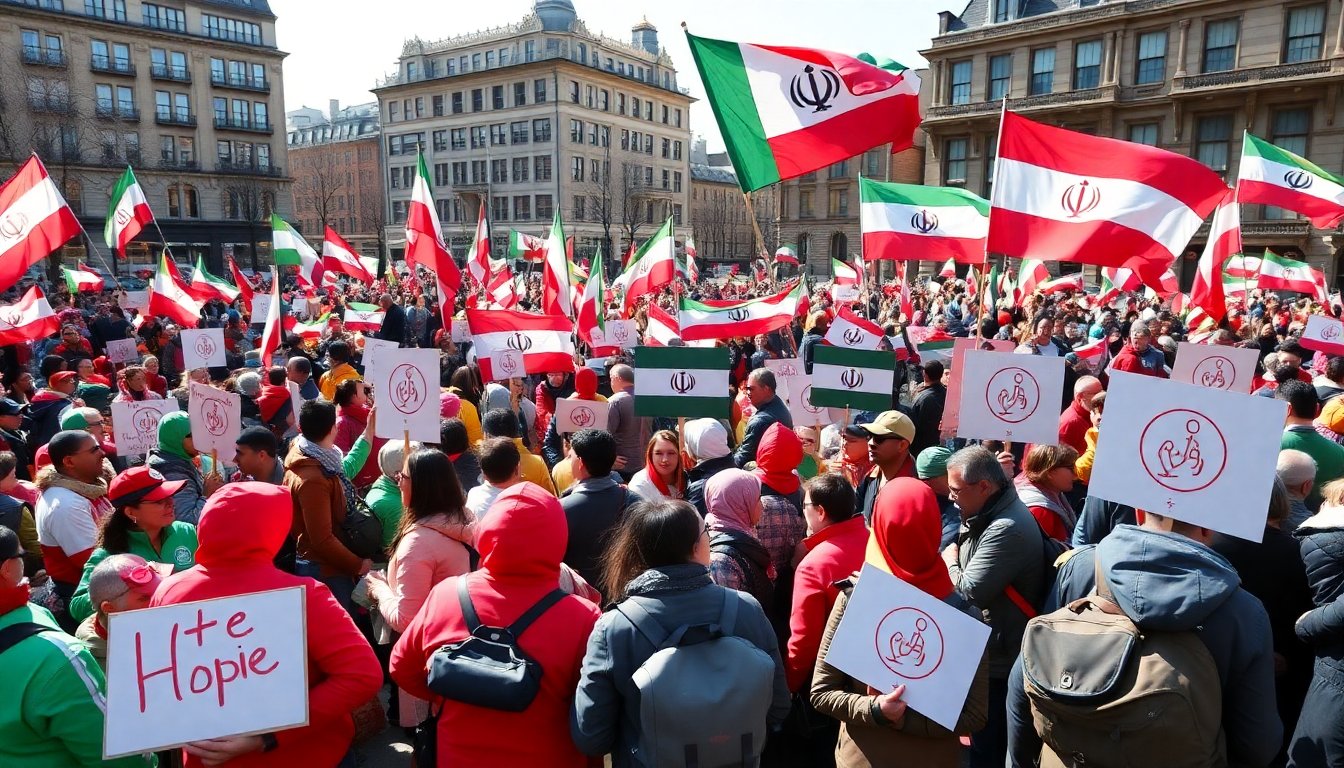
On a recent Sunday, thousands gathered at Sankofa Square in Toronto to demonstrate their solidarity with the Iranian people. This event is part of a larger wave of protests across Canada, reflecting deep concern over the escalating crisis in Iran. The demonstrations, which have gained momentum in recent weeks, are driven by the severe economic challenges facing the Middle Eastern nation, prompting increasing calls for change.
The unrest in Iran ignited on December 28, 2026, as citizens took to the streets to express their dissatisfaction with the country’s economic turmoil, which has led to a significant devaluation of the national currency. Initially, the protests centered on economic grievances; however, the focus quickly shifted to demands for a complete overhaul of the Islamic regime. During a rally in Toronto, many attendees voiced their support for the reinstatement of the exiled crown prince, Reza Pahlavi, as a potential leader for a new Iran.
Protests and their implications
The Iranian government has reported a death toll exceeding 3,000 since the protests began, but human rights organizations contend that the figure could be as high as 36,500. This stark discrepancy underscores the gravity of the situation. In response to the violent crackdown, some protesters in Toronto are calling for Western intervention, arguing for international support amid the brutal repression they face.
As demonstrations persist, the Iranian regime remains resolute in its efforts to quell dissent. The ongoing turmoil raises significant questions about Iran’s future and the prospects for regime change. Observers are increasingly concerned about what external actions, if any, could effectively bolster the Iranian people’s fight for freedom.
Potential pathways to change
Experts continue to debate the effectiveness of a military intervention in Iran. Some analysts caution that a military strike could further destabilize the region and inadvertently enhance the Iranian regime’s power. The intricacies of Iranian politics indicate that merely toppling the leadership may not guarantee a transition to a stable, democratic society. Historical precedents reveal that leadership changes often do not yield favorable outcomes for the general populace.
For example, past military interventions in the Middle East frequently resulted in unforeseen repercussions that intensified the difficulties encountered by local communities. Thus, it is essential to conduct a thorough evaluation of the potential consequences of any planned intervention. As policymakers deliberate on these matters, the emphasis should remain on assisting the Iranian people through non-military avenues, such as implementing sanctions and applying diplomatic pressure.
Global reactions and the role of the United States
International response to the situation in Iran
The international community is closely monitoring events in Iran, with various nations expressing significant concern over the ongoing violence. The United States has been particularly vocal. President Trump has recently alluded to the possibility of military action to protect Iranian protesters. Such statements complicate the situation, as they could either empower protesters or provoke a harsher crackdown by the Iranian government.
Analysts advise that the U.S. must proceed with caution, balancing support for the Iranian people against the need to avoid escalating tensions. A rash military response could reinforce the regime’s narrative of external threats, potentially consolidating support for the government among the populace. Instead, a more strategic approach that emphasizes sanctions and diplomatic efforts may serve the interests of the Iranian people more effectively.
Future of Iran
The uncertain future of Iran
The future of Iran remains uncertain as the current regime faces significant pressure from both internal and external forces. Ongoing protests reflect deep-rooted dissatisfaction among the Iranian public, stemming from economic hardship and authoritarian governance. The situation is fluid, and it is essential for the international community to remain engaged, offering support to those advocating for their rights.
As seen in recent rallies in Toronto and across Canada, the world is paying close attention. The resilience of the Iranian people in their quest for change is noteworthy. The international response will play a crucial role in shaping the outcome of this historic struggle.