
Table of Contents
The venue at Exhibition Place, commonly known as BMO Field, has undergone a sweeping set of renovations in preparation for the upcoming FIFA World Cup. City officials and the stadium operator confirmed that the principal construction work is finished, clearing the way for six international fixtures that will be staged in Toronto this summer. Visitors will notice both temporary and permanent changes: a significant seat increase for the tournament and long-term improvements to the venue’s systems. These upgrades aim to support the immediate needs of the event while leaving behind enhanced capability for concerts, domestic sports and community gatherings.
While work crews were still completing final touches at the site, organizers emphasized that the large-scale elements are in place. The temporary measures include a temporary expansion that adds approximately 17,000 seats, lifting capacity to about 45,000 for World Cup matches. Permanent investments completed earlier include enhanced broadcast capabilities, new video boards, modern lighting and improved audio systems. Together, these changes are intended to offer an upgraded fan experience and stronger technical support for high-profile international broadcasts.
Key venue changes and match readiness
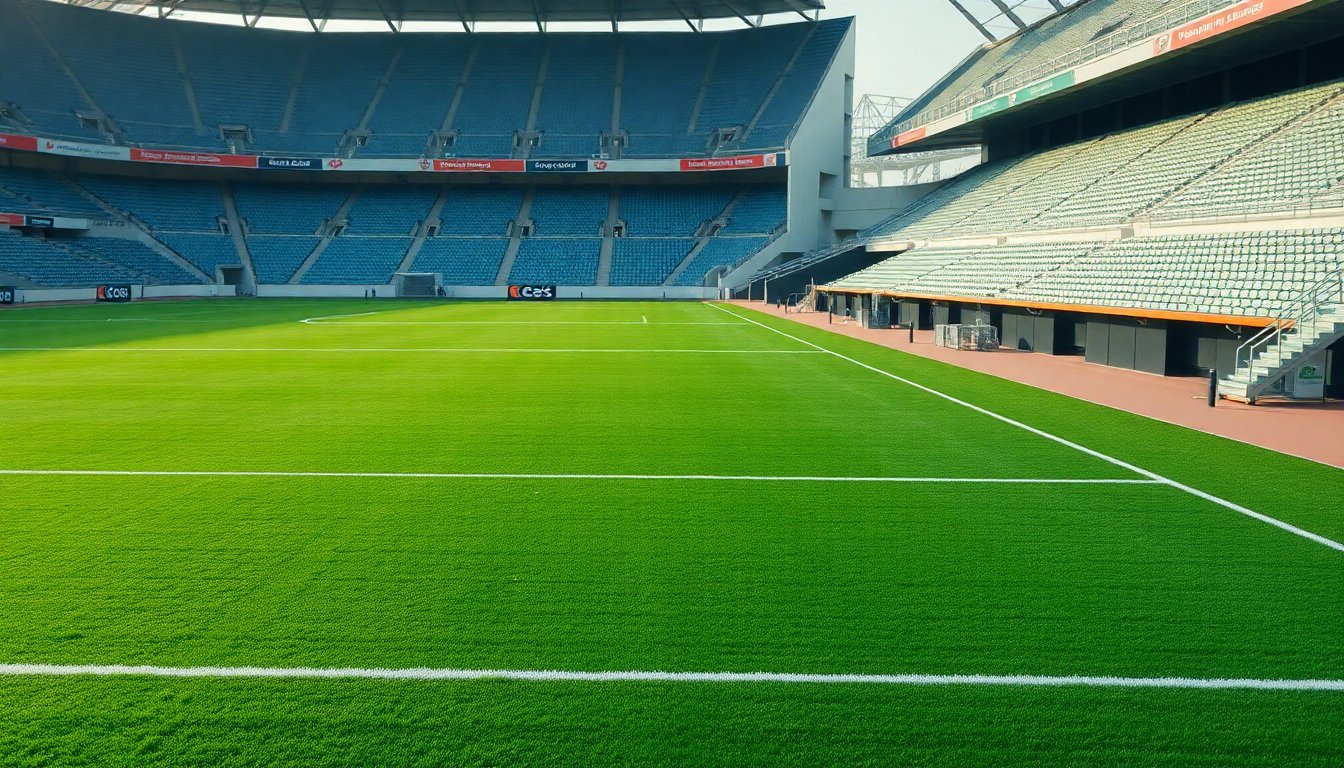
The stadium’s playing surface and player facilities were outfitted to meet international standards. A fresh FIFA-regulation grass pitch has been installed, and dugouts and adjacent player areas were redesigned to align with tournament requirements. These enhancements are aimed at athletes’ safety and operational efficiency, providing teams with modernized spaces for preparation and recovery. Event organizers note that while the extended seating is a temporary installation for the tournament, many of the behind-the-scenes upgrades — especially those tied to broadcast and technical operations — will stay in place for future events at the venue.
Seating and spectator experience
The temporary seating structure, engineered to expand capacity by roughly 17,000, will be dismantled after the World Cup concludes. For fans, the increased capacity means more ticket availability and a different stadium atmosphere for the duration of the tournament. Organizers also highlighted improvements to sightlines and public-address systems that are expected to sharpen the matchday experience. The combination of added seats and upgraded audiovisual infrastructure reflects a dual strategy: accommodate larger global audiences for the short term and leave a more capable stadium for local teams and promoters long term.
Funding, partnership and community context
Financing for the project combined public and private contributions. The total project cost is reported at about $157.9 million, with the majority provided by the city and a significant portion from Maple Leaf Sports and Entertainment (MLSE). In earlier reporting a renovation figure of $146 million was referenced as part of the upgrade scope; the broader project budget accounts for additional works and operational costs related to hosting the tournament. Toronto city council approved the necessary funding as part of the city’s hosting agreement, underscoring municipal support for staging World Cup matches locally.
Indigenous representation and civic messages
Speakers at the venue’s announcement included representatives from local Indigenous communities and city leadership who framed the upgrades as an opportunity to welcome international visitors respectfully. The message emphasized shared hospitality and the stadium as a place that has hosted dramatic sporting moments and local memories. Elected officials stressed that bringing the world to this common ground offers a chance for young people and community members to see themselves reflected on a global stage, while MLSE executives described the project as a transformational moment for the stadium’s capabilities.
What to expect during the tournament
Toronto will host six World Cup matches at the stadium, beginning with Canada’s opening fixture on June 12 and concluding the city’s slate with a round of 32 match on July 2. Fans attending games should expect temporary circulation changes and event-specific operations to manage larger crowds. After the tournament, the temporary seating will be removed, but many technical improvements will continue to benefit Toronto FC, the CFL’s Toronto Argonauts and future large-scale events. The upgrades are positioned as both a response to an international moment and a long-term investment in the city’s event infrastructure.