
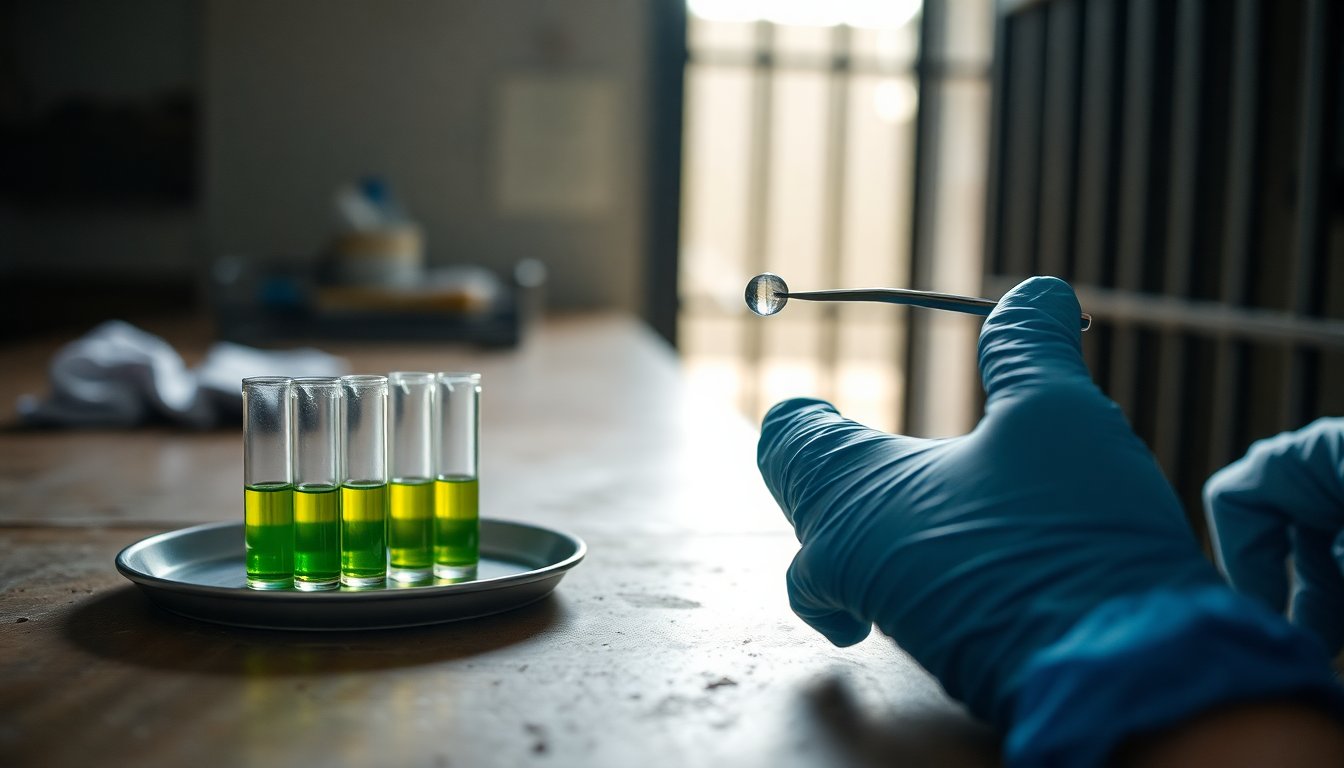
On 14, five European governments made a striking public declaration: independent state laboratories had found biochemical evidence pointing to a toxin most commonly associated with poison dart frogs in samples tied to the death of opposition leader Alexei Navalny while he was in Russian custody. The announcement — delivered on the second anniversary of his passing — revived intense scrutiny of the circumstances around his detention and the forensic work done by multiple labs.
What the labs actually reported The laboratories described analytical markers consistent with a specific class of neuroactive alkaloids produced by certain amphibians. Scientists said the pattern of findings aligns with signatures known from those compounds, which can profoundly disrupt nervous and cardiovascular functions and, in some cases, cause paralysis or cardiac failure. Crucially, the statements focused on scientific observations: they do not constitute a criminal verdict, and the labs did not present a full criminal chain of custody linking the samples to an act or actor.
Degrees of confidence and the limits of the evidence Researchers used careful language — words like “highly likely” and “probable” — to convey their confidence in the forensic signals while also calling for further testing. Independent experts urged replication, transparent protocols and cross‑verification to strengthen the evidentiary record. Without clear provenance for the samples and unbroken chain‑of‑custody documentation, toxicology alone cannot establish how, when or by whom any exposure occurred.
Legal and diplomatic fallout The announcement has immediate legal and political repercussions. Prosecutors have opened follow‑up inquiries and requested additional laboratory data and custody records. Defence teams have contested methodologies and demanded access to raw datasets. Diplomatically, the statement has prompted fresh calls for independent access to sites, documents and witnesses; rights groups and foreign governments are pressing for joint forensic examinations and involvement of international laboratories.
What investigators and advocates want next Forensic scientists say the next steps are straightforward in principle: confirmatory assays, full disclosure of testing protocols and transparent handling of samples so results can be replicated. Human rights organizations want expert teams to examine samples, interview custodial staff and review surveillance and medical records. Investigators must also reconcile lab data with custodial procedures and access logs to build a credible chain of events — only then can questions of responsibility be meaningfully addressed.
How this could play out Expect developments to emerge through court filings, diplomatic notes and additional forensic reports. If independent labs replicate the findings and legal bodies gain access to supporting records, the matter could move from diplomatic protest to formal legal action. If not, the scientific hints will remain that: concerning and suggestive, but insufficient for firm conclusions about culpability.
What to watch for – Publication of raw laboratory data and descriptions of testing protocols. – Results from confirmatory tests carried out by independent international teams. – Access granted (or refused) to custody logs, medical records and surveillance footage. – Any formal inquiries or prosecutions initiated by domestic or international bodies.
At the moment, the scientific signals have rekindled intense scrutiny and renewed demands for transparency. Journalists, investigators and rights advocates say answering the basic questions — how the substance entered a controlled environment and who had the opportunity and means to introduce it — will require sustained political will as much as rigorous science. Our reporters will monitor official briefings, forensic reports and legal filings for verified updates.