
Table of Contents
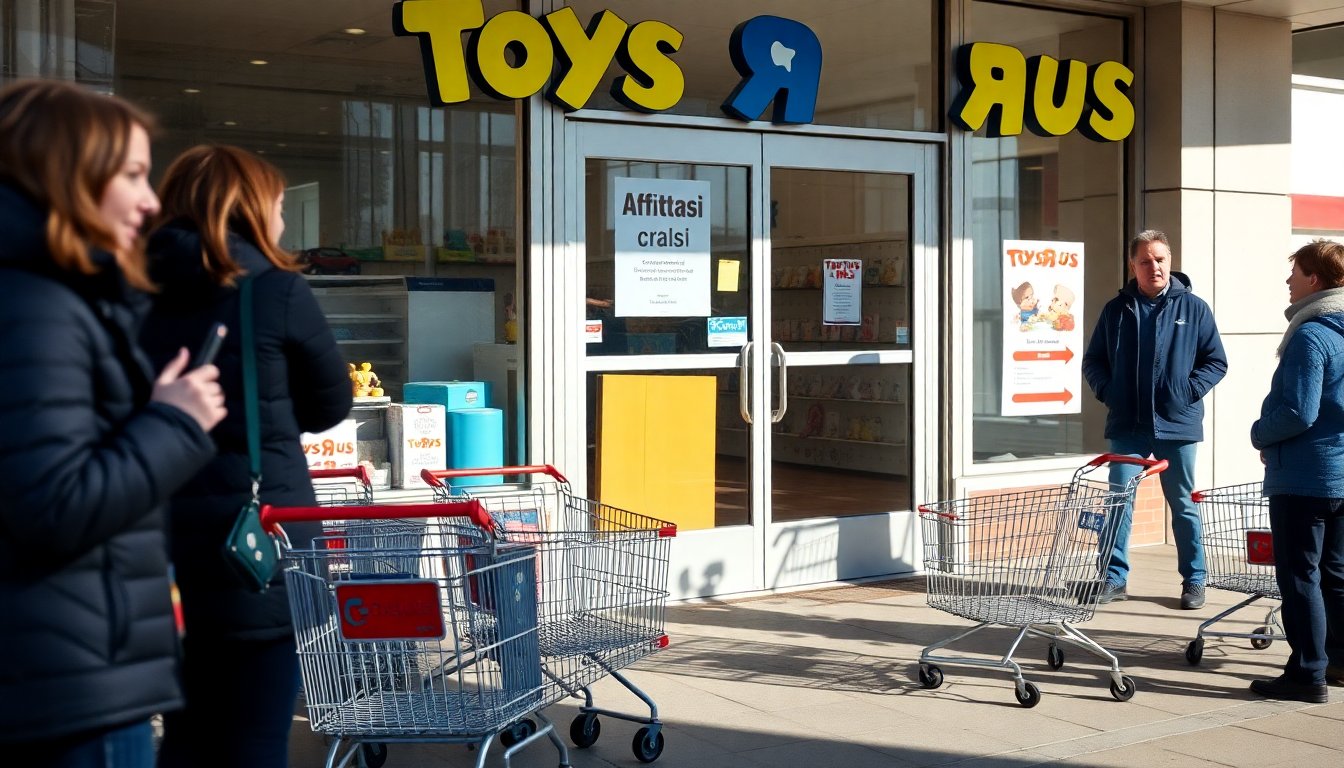
The toy retail landscape is shifting dramatically, and Toys ‘R’ Us Canada finds itself at the center of financial distress. With at least seven lawsuits filed against the company for a staggering total of $31.3 million in unpaid rent and damages, the iconic toy retailer’s future is increasingly in jeopardy. These legal actions stem from claims made by landlords who allege that Toys ‘R’ Us failed to honor its rental agreements for numerous properties across Canada in and.
Legal Challenges and Store Closures
Among the landlords pursuing claims are notable real estate entities such as RioTrin Properties and Calloway Real Estate Investment Trust, with affected locations spanning cities like Saint John, Belleville, and Oakville. In recent years, Toys ‘R’ Us Canada has significantly reduced its presence, closing numerous stores and now operating around 40 locations, a far cry from its former glory.
Details of the Lawsuits
The lawsuits assert that after failing to pay rent for the first time, the company was warned that continued non-payment would result in lease terminations. Following the alleged defaults, landlords proceeded to terminate these leases, leading to the current legal disputes. Court documents indicate that Toys ‘R’ Us is not only liable for the initial month of missed rent but also potentially faces penalties that could include covering three months of rent upfront and additional fees related to signage removal.
Current Operations and Future Outlook
Despite the ongoing legal turmoil, Toys ‘R’ Us Canada has not publicly responded to many of these claims, and the company has not filed counterclaims in most cases. In some instances, it has sought to dismiss the lawsuits, arguing that landlords were aware of impending store closures, as evidenced by the posting of liquidation signs.
The company, which is currently managed by Putman Investments, acquired the retailer from Fairfax Financial Holdings Ltd. in when it had 81 locations. Doug Putman, the CEO, expressed confidence in revitalizing the brand, stating that he had numerous innovative ideas to implement. However, the reality of declining foot traffic and increased competition from online giants like Amazon and Walmart has made the retail environment particularly challenging.
Market Dynamics and Competition
Experts like Jenna Jacobson, director of the Retail Leadership Institute, emphasize that while the toy market itself isn’t collapsing, the dynamics have become increasingly tough. Consumers are gravitating toward online shopping, which poses a significant threat to traditional retailers like Toys ‘R’ Us. The high overhead costs associated with physical retail spaces become burdensome when sales decline, making it difficult for the company to sustain its operations.
Innovations and Attempts at Revitalization
In an effort to adapt, Toys ‘R’ Us Canada has introduced new concepts such as Playlab, a space for children to engage in play and creative activities. This initiative aims to provide customers with reasons to visit physical stores rather than opting for online purchases. However, not all strategies have proven successful; for example, integration attempts with brands like HMV have had mixed results.
Additionally, the company has faced setbacks in other ventures, with some subsidiaries and brands under Putman’s management experiencing closures. Notably, Rooms + Spaces, a home goods store, and T. Kettle, a tea shop, have both shut down, raising further concerns about the overall health of Putman’s business portfolio.
Amid these challenges, Toys ‘R’ Us Canada has also encountered issues unrelated to retail, including a recent data breach affecting customer information, which has compounded the retailer’s woes. Currently, the company has paused online sales to focus on improvements, indicating a need to reassess its e-commerce strategy.
Conclusion and Future Considerations
The future of Toys ‘R’ Us Canada hangs in the balance as it navigates legal challenges, competition, and operational difficulties. Whether it can redefine its place in the market or whether it will succumb to the pressures of a rapidly changing retail environment remains to be seen. The coming months will likely be crucial in determining if the beloved toy retailer can survive in any format, physical or digital.