
Table of Contents
In a tragic event that has rocked northern Lebanon, a multi-storey apartment building in Tripoli has collapsed, leading to at least 14 fatalities. This incident highlights the pressing need for improved structural safety measures in a nation already facing multiple challenges.
The shocking collapse
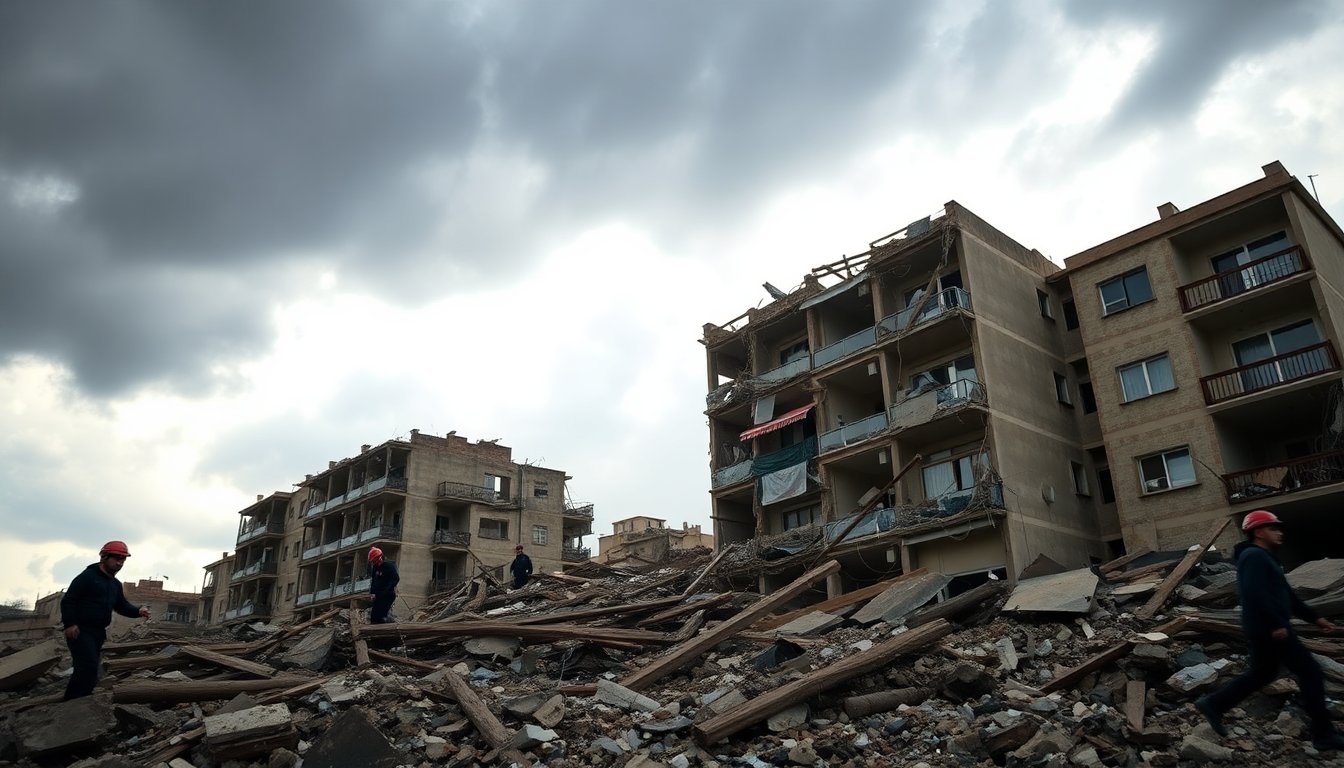
The collapse took place without warning, leaving residents and emergency responders in disbelief. Rescue teams were swiftly deployed to the scene, diligently searching through the debris for any survivors. While several individuals have been rescued, the search continues, with authorities expressing concern that more victims may still be trapped under the rubble.
Emergency response efforts
Local authorities have deployed emergency teams to assist in challenging rescue operations. The response has been swift, with community volunteers joining the efforts to locate anyone who might be trapped. This collapse has drawn attention to pressing issues of building safety standards and the maintenance of older structures in the region.
Underlying issues in Lebanon
The nation is grappling with a multitude of crises, including a devastating economic downturn and ongoing infrastructure challenges. The financial situation has deteriorated significantly over the past few years, leading to widespread poverty and a lack of investment in essential services, particularly in housing safety.
Many buildings in Lebanon, particularly older structures, suffer from neglect and inadequate maintenance, raising concerns about their safety. This recent building collapse reflects a broader pattern of structural failures that have troubled the nation.
Calls for reform
In the wake of this tragedy, there is an increasing demand for the Lebanese government to address the critical state of infrastructure. Advocates emphasize the need for immediate reforms to improve building safety regulations and enforce existing laws. Public outcry has intensified, with citizens demanding accountability and action to prevent future disasters.
As Lebanon navigates its complex challenges, the government faces mounting pressure to prioritize the safety and well-being of its citizens. This incident highlights the urgent need for reform and investment in essential infrastructure.