
Table of Contents
Have you noticed how the catering industry in China is shaking things up? It’s a fascinating time as internet platform operators dive deeper into the food supply chain. This transformation is not just about convenience; it’s reshaping how we prepare, deliver, and enjoy our meals. With tech-savvy consumers craving variety and ease, companies like Meituan and JD.com are leading the charge, rolling out innovative strategies that could redefine dining in urban China.
Meituan’s Game-Changer: Raccoon Restaurants
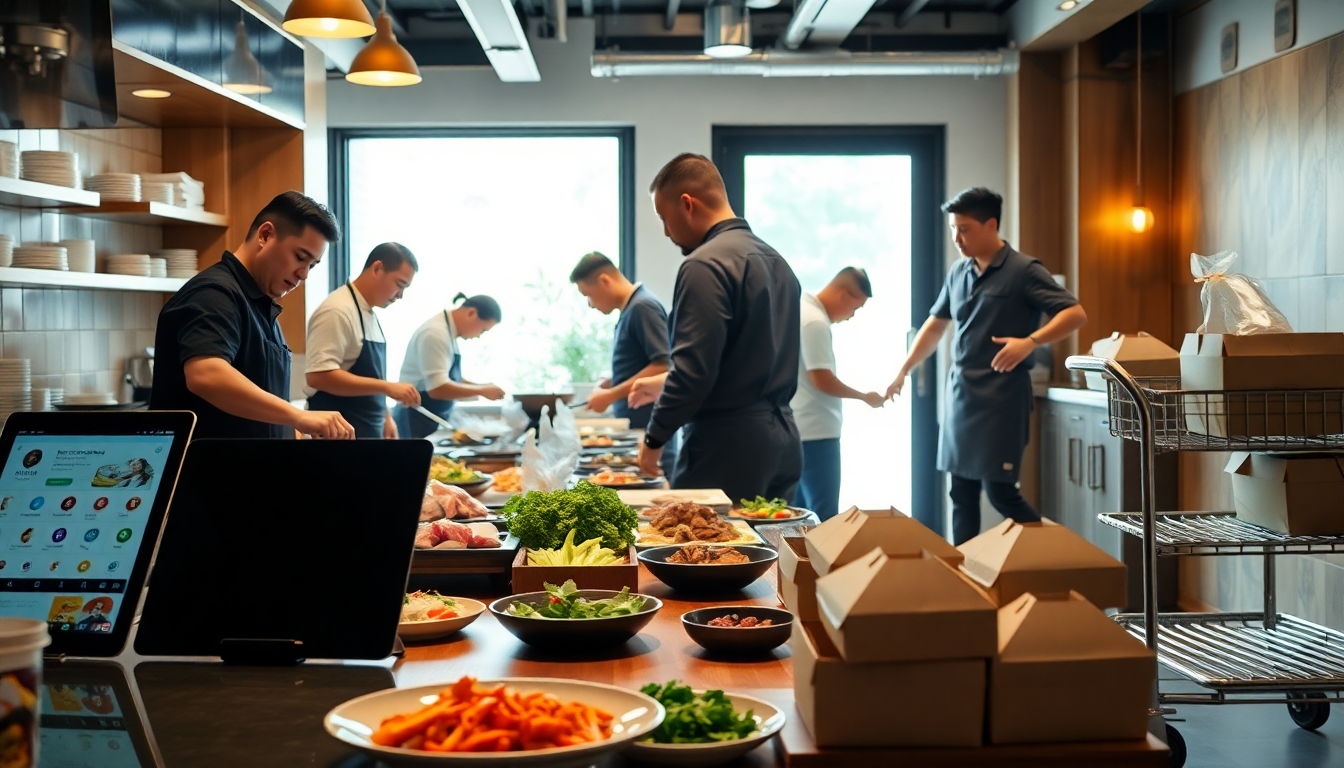
Take Meituan, for example. As a powerhouse in the on-demand delivery market, they have some big plans on the horizon. Imagine this: over the next three years, they’re set to launch 1,200 Raccoon Restaurants—think of them as food court-style hubs that house multiple restaurant chains. These spots are designed primarily for takeaway orders, allowing restaurant partners to focus on what they do best: cooking delicious food without the hassle of traditional dining spaces.
The introduction of Raccoon Restaurants is a game-changer. By sharing resources and infrastructure, Meituan aims to slash operational costs, which could translate to better pricing and a wider variety of menu options for you, the consumer. It’s all about enhancing convenience while solidifying Meituan’s role as a key player in the food delivery scene.
JD.com’s Bold Move into Self-Operated Kitchens
On the flip side, we have JD.com making some serious waves. They’re investing a whopping 1 billion yuan (around US$139 million) to bring in “cuisine partners” and are gearing up to launch 10,000 self-operated 7Fresh kitchens over the next three years. This ambitious plan aims to introduce 1,000 unique menu sets across the country, all thanks to JD.com’s robust logistics and delivery network.
What’s the takeaway here? By controlling their own kitchens, JD.com can ensure top-notch quality and consistency in their meals. This means they can quickly adapt to market trends and cater to your tastes, delivering high-quality dishes right to your doorstep.
What’s Next for China’s Catering Scene?
So, what does the future hold for China’s catering industry? The blend of technology and consumer demand is set to fuel even more innovation. As more players enter the scene with similar food court concepts and self-operated kitchens, you can expect heightened competition. This competition will likely lead to better service and a broader array of dining options.
Moreover, as we look ahead, it’s clear that sustainability and health-conscious choices will be top of mind for consumers. This shift is likely to push catering businesses to explore local sourcing, organic ingredients, and eco-friendly packaging—aligning their operations with what matters to modern diners like you. As this exciting landscape continues to evolve, one thing is certain: the catering industry in China is on a path of transformation driven by innovation and a keen understanding of what consumers really want.