
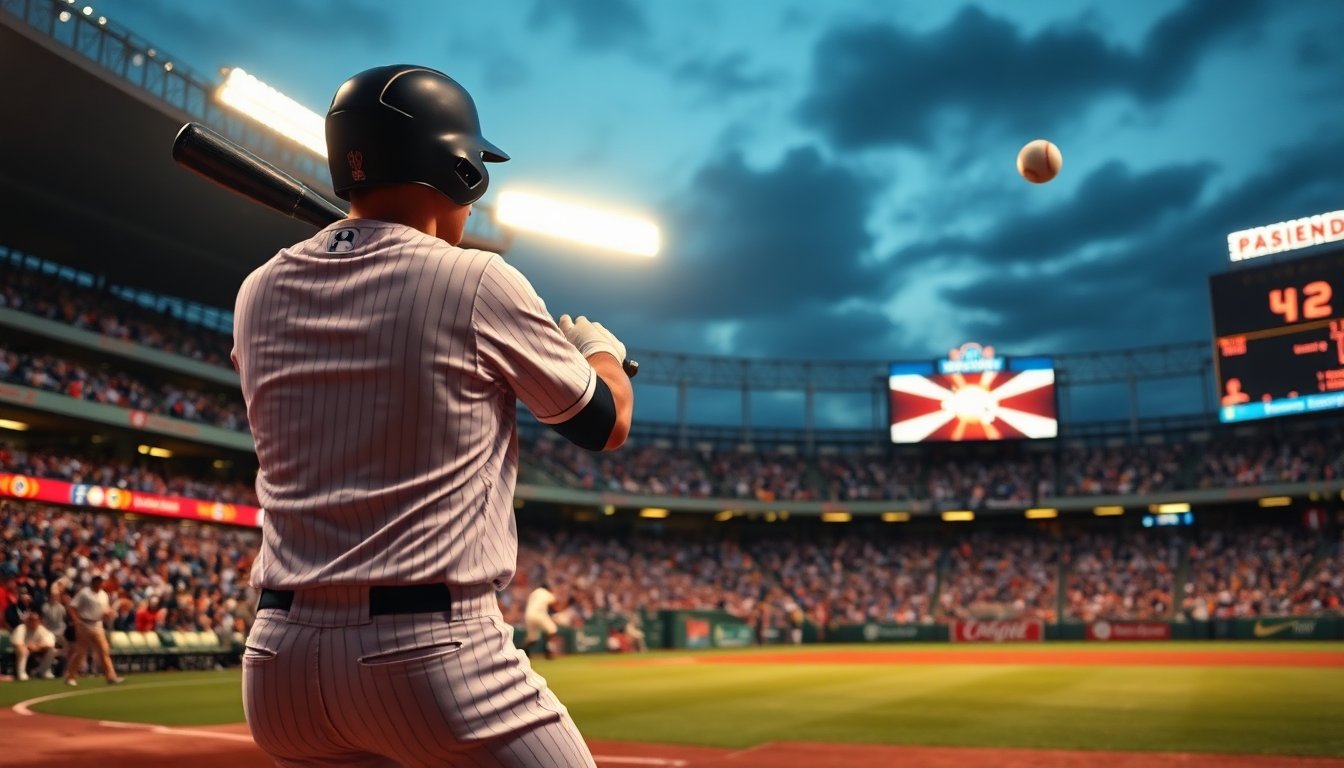
Travis Bazzana’s rise has felt inevitable and electric all at once. At the Tokyo Dome on March 5, 2026, he ripped a 383-foot homer to right in front of more than 40,000 fans — a swing that not only padded Australia’s lead over Chinese Taipei but also quieted a stadium packed for Taiwan. He followed that with a sprawling stop at second base later in the game, a play that helped preserve a 3–0 shutout and earned praise from Manager Dave Nilsson. That night crystallized what scouts and coaches had been seeing for years: a young player with polish, timing and a knack for showing up in big moments.
Where he came from
Bazzana grew up north of Sydney in Turramurra, the kind of suburban Australian childhood that mixed cricket, rugby and club baseball. Instead of endless pickup games, his path was organized: junior leagues, volunteer stints as a bat boy, and lots of tee work and cage sessions. Coaches point to those hours of repetition — not randomness — as the foundation for his hand-eye coordination and game sense. Moving to the U.S. for college at Oregon State sharpened those tools. There he drew attention for bat-to-ball skills, sprint speed and defensive flexibility, traits that translate well across infield positions.
The draft and the minors
Cleveland picked Bazzana first He progressed through the minors the way clubs hope their top picks do: steady promotions, visible growth in plate discipline and extra-base pop. Across multiple levels in 2026 he put up 17 doubles, five triples and nine homers, a mix that sold teams on both contact and emerging power. He landed at Triple-A Columbus late in the season, but an oblique strain cut his campaign short.
Injury and comeback
That oblique issue was treated conservatively: rest, phased rehab and a monitored return to baseball activities rather than surgery. By the offseason he was reporting full clearance and moved into strength-building work. Club medical staff and private rehab specialists coordinated benchmarks — core strengthening, throwing progressions, workload checks — and by spring evaluations he appeared fit enough to resume higher-intensity reps. The timeline matters: health status will be a big part of any decision about when he should debut.
Choosing the World Baseball Classic
Bazzana left Guardians’ spring camp to play for Australia in the WBC, a choice that balanced structured MLB prep against invaluable, game-speed experience. For the player and his advisors, facing elite international pitching under pressure was worth the trade-off. For Cleveland, it was a negotiated decision: they weighed workload risks against the developmental upside, and set safeguards for monitoring and recovery. The Tokyo Dome outing — the homer, the defense — vindicated that approach in the short term and gave the organization fresh, high-leverage data to consider.
Where he stands now with the Guardians
Back home in the organization, Bazzana is squarely on the internal depth chart. He returned to camp as a non-roster invite and is widely regarded as a near-term promotion candidate — contingent on continued health and performance. Front-office and player-development staff see him as “MLB ready with reservations,” pointing specifically to how he handles high-spin breaking stuff as an area to watch. If he stays healthy and shows consistency, he could plug into infield depth early; if not, another stint at Triple-A to refine late-season issues remains possible.
What this means beyond one player
Bazzana’s path — Australian youth clubs, U.S. college polish, minor-league seasoning, a showcase performance on the international stage — is a snapshot of how global pipelines are reshaping talent flows. Teams value positional versatility and players who can produce contact, run and occasional power. For the Guardians, promoting from within preserves financial and service-time flexibility; for other clubs, his success may push more scouting and resources toward nontraditional pipelines.
Next steps to watch
Short-term, everything comes back to spring training: controlled at-bats, bullpen sessions, medical clearances and how he responds to live workloads. The Guardians will monitor early-season minor-league starts if he begins in Triple-A, and formal roster moves will follow performance windows and any openings created by injuries or trades. Expect updates tied to official medical reports, on-field metrics and roster announcements. The Tokyo Dome night made headlines, but the fuller story is the accumulation of organized practice, cross-border exposure and steady statistical growth. If his health holds and he continues to adjust — especially to top-tier breaking stuff — he won’t just be a headline; he’ll be a practical option for a club that needs reliable, versatile infield depth.