
Table of Contents
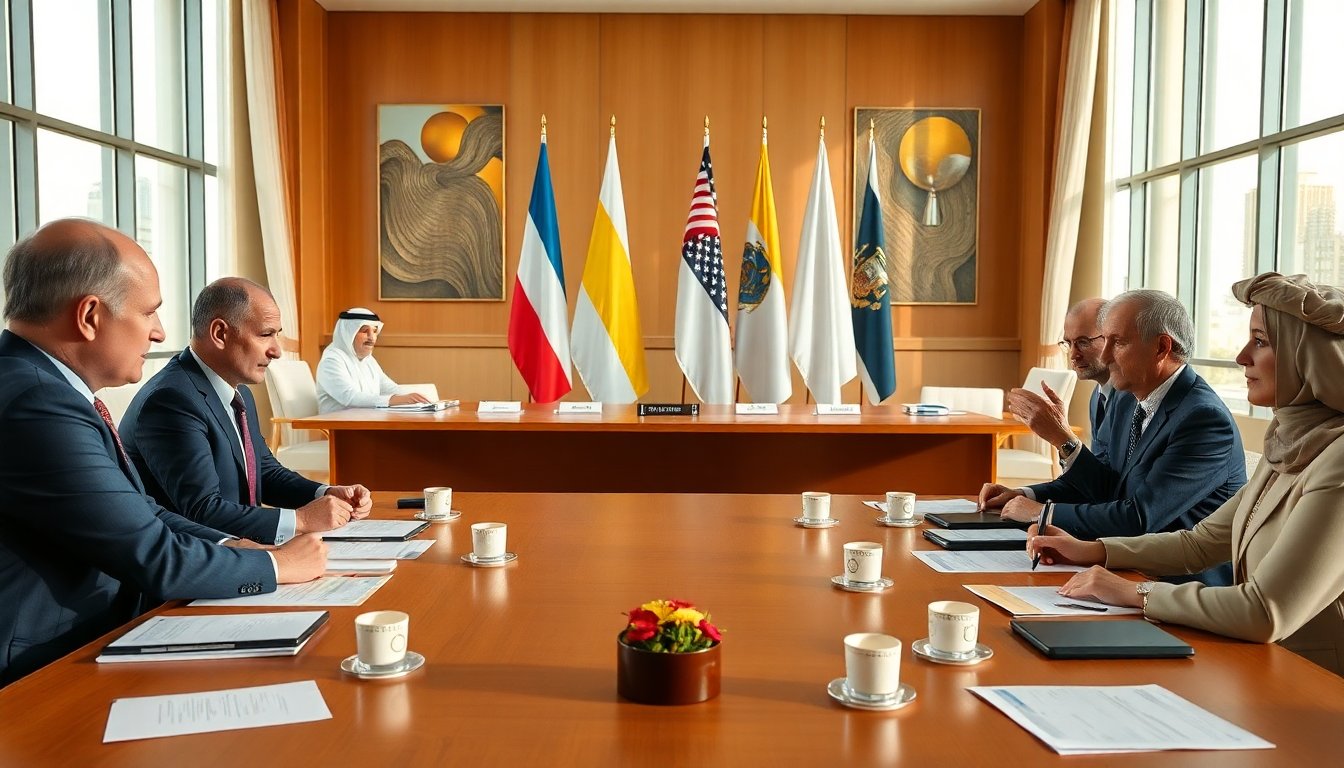
In a significant diplomatic move, representatives from Russia, Ukraine, and the United States gathered for peace negotiations in Abu Dhabi this past Friday. This trilateral meeting marks the first direct dialogue since the full-scale invasion of Ukraine by Russia in. The atmosphere was described as constructive, with expectations set for continued discussions.
In remarks to NBC News following the initial sessions, a spokesperson from the White House characterized the talks as “productive,” indicating that they would resume the following day. A source from the Russian state news agency, TASS, echoed this sentiment, stating that the parties involved were open to ongoing dialogue, affirming that nobody was closing the door on potential resolutions.
Key issues on the table
Ukrainian President Volodymyr Zelensky emphasized the importance of addressing territorial disputes during these discussions. He specifically pointed to the Donbas region as a critical point of contention, stating that the delegations would explore each side’s perspective on this issue in the upcoming talks. Zelensky expressed a cautious optimism, noting the gravity of the situation and the need for careful deliberations.
Parameters for ending hostilities
In his evening address, President Zelensky highlighted that the discussions in Abu Dhabi were centered around establishing the parameters necessary to conclude the ongoing conflict. However, he urged caution, suggesting that it was premature to draw any definitive conclusions from the conversations thus far. “We will evaluate the developments in the discussions tomorrow and see what results they yield,” he reflected.
Context of the negotiations
The two-day summit followed a prior meeting between Zelensky and US President Donald Trump at the World Economic Forum in Davos, underscoring the urgency and international interest in finding a resolution to the conflict. Meanwhile, Russian President Vladimir Putin met with US envoys, including Steve Witkoff and Jared Kushner, in Moscow just before the Abu Dhabi discussions commenced. Reports indicated that this meeting was characterized as exceptionally detailed and candid by Kremlin foreign policy aide Yuri Ushakov.
Russia’s stance and expectations
Ushakov reiterated Russia’s position regarding the territorial disputes, asserting that without a resolution according to previously established frameworks, a long-term settlement would remain elusive. He conveyed the Kremlin’s genuine interest in pursuing diplomatic solutions, yet emphasized that military objectives would persist until a resolution is reached.
Understanding the underlying dynamics
The current state of the conflict reflects a complex interplay of military operations and diplomatic efforts. The week leading up to the talks saw an escalation in Russia’s air campaign against Ukraine, primarily aimed at diminishing its energy infrastructure and civilian morale. This juxtaposition of military action and diplomatic engagement illustrates a strategy of coercive diplomacy, where Russia seeks to leverage military pressure to influence negotiations.
Trilateral discussions and strategic implications
The trilateral talks in Abu Dhabi, taking place from January 23 to 24, signal a new phase in the diplomatic landscape of the conflict. The choice of location highlights the role of Gulf states as mediators capable of facilitating dialogue among the involved parties. Delegations were composed of high-level officials from security and intelligence backgrounds, indicating a focus on concrete security measures rather than broader political discussions.
The US delegation featured Special Envoy Steve Witkoff and former advisor Jared Kushner, reflecting the personalized nature of the Trump administration’s foreign policy. Meanwhile, Russia’s delegation included military leaders, emphasizing their focus on strategic military considerations. Ukraine’s representatives were led by defense officials, highlighting their commitment to ensuring national security.
Despite the characterization of the talks as productive, no significant breakthroughs were reported on the contentious territorial disputes. The ongoing military operations, including missile strikes on Ukrainian cities, underscored the challenges facing negotiators and the complexity of reaching a ceasefire.
Competing frameworks for peace
The negotiations currently reflect competing frameworks for resolution. The Russian “Anchorage Formula”, demanding the cession of the entire Donbas region, stands in stark contrast to the Ukrainian and US-backed “20-Point Plan”, which emphasizes territorial integrity and security guarantees. The divergent goals of each side highlight the challenges of achieving consensus in the negotiations.
The “20-Point Plan” suggests a potential freeze on territorial lines, offering security guarantees without necessitating territorial concessions from Ukraine. This approach aims to establish a more sustainable path towards peace while addressing the immediate security needs of Ukraine.