
Table of Contents
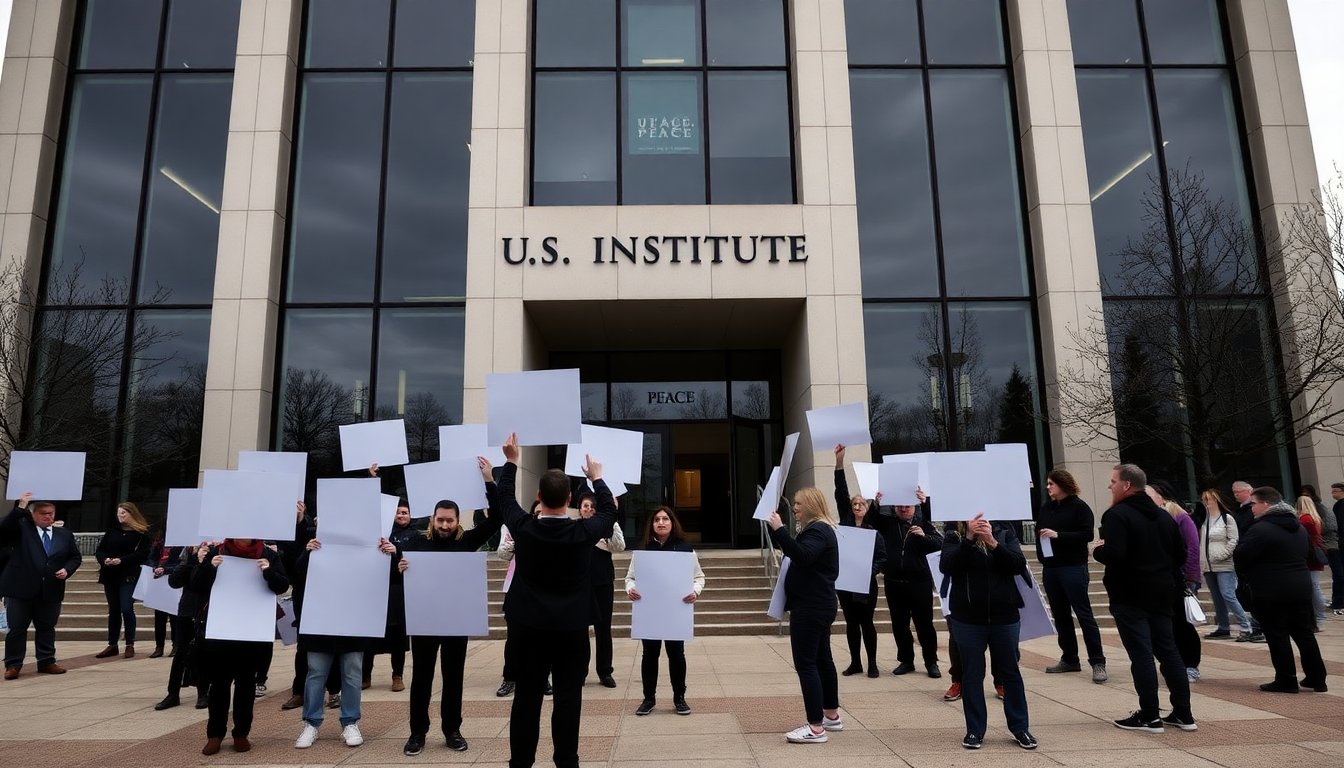
The renaming of the U.S. Institute of Peace to the Donald J. Trump Institute of Peace has ignited considerable debate among political observers. This unexpected decision aligns with ongoing legal disputes regarding the institute’s governance, prompting concerns about the future of this nonprofit organization dedicated to promoting peace initiatives. The announcement coincided with Trump’s ongoing pursuit of a Nobel Peace Prize, which he has sought despite being overlooked in past nominations.
Founded by Congress in the 1980s, the U.S. Institute of Peace was established to function independently from the federal government, focusing on conflict resolution and global peace promotion. However, the institute faces a complex legal situation as the Trump administration seeks to exert control over its operations, resulting in a significant shift in its mission.
Legal battles and administrative changes
In March, the Department of Government Efficiency (DOGE) initiated a controversial takeover of the institute, leading to the dismissal of its board and staff. Critics have described this action as a hostile takeover, raising questions about the legality of the Trump administration’s actions. A federal judge ruled that the government’s maneuvers were illegal, but this ruling is currently under appeal, leaving the institute’s future uncertain.
Trump’s vision for peace
Despite the ongoing legal disputes, Trump has positioned himself as a proponent of peace. His administration claims that renaming the institute reflects his reputation as the “greatest dealmaker” in American history. According to White House spokesperson Anna Kelly, the previous iteration of the institute was ineffective, alleging mismanagement of funds while failing to contribute meaningfully to global peace efforts. The renamed institution aims to illustrate Trump’s purported achievements in conflict resolution.
This assertion, however, is met with skepticism. While Trump has highlighted his involvement in international discussions, critics contend that his administration’s aggressive military actions, including airstrikes on Venezuela, contradict the principles of peace. This disparity raises essential questions about the true mission of the renamed institute.
Reactions and implications
The decision to rename the U.S. Institute of Peace has elicited diverse responses from political commentators and legal experts. George Foote, representing former leaders of the institute, expressed his discontent, stating that the renaming adds insult to injury given the circumstances of the takeover. He emphasized that the administration’s actions are not only controversial but also legally questionable, referencing the ruling that deemed the takeover illegal.
Future of the institute
As legal disputes persist, the future of the U.S. Institute of Peace remains uncertain. The building, located near the State Department, is estimated to be worth approximately $500 million, making it a valuable asset. The ongoing court proceedings are crucial, as they will ultimately determine control over this influential think tank.
Despite the turmoil, the institute is set to host a significant peace agreement signing involving leaders from Congo and Rwanda, indicating its continued role in international diplomacy. The juxtaposition of a peace-promoting event occurring in a building named after a president criticized for his foreign policy adds complexity to the narrative.
The implications of the name change and the ongoing legal battles could significantly alter the institute’s identity and operations. How the new leadership navigates these challenges will be pivotal, underscoring the pronounced intersection of politics and peacebuilding.