
Table of Contents
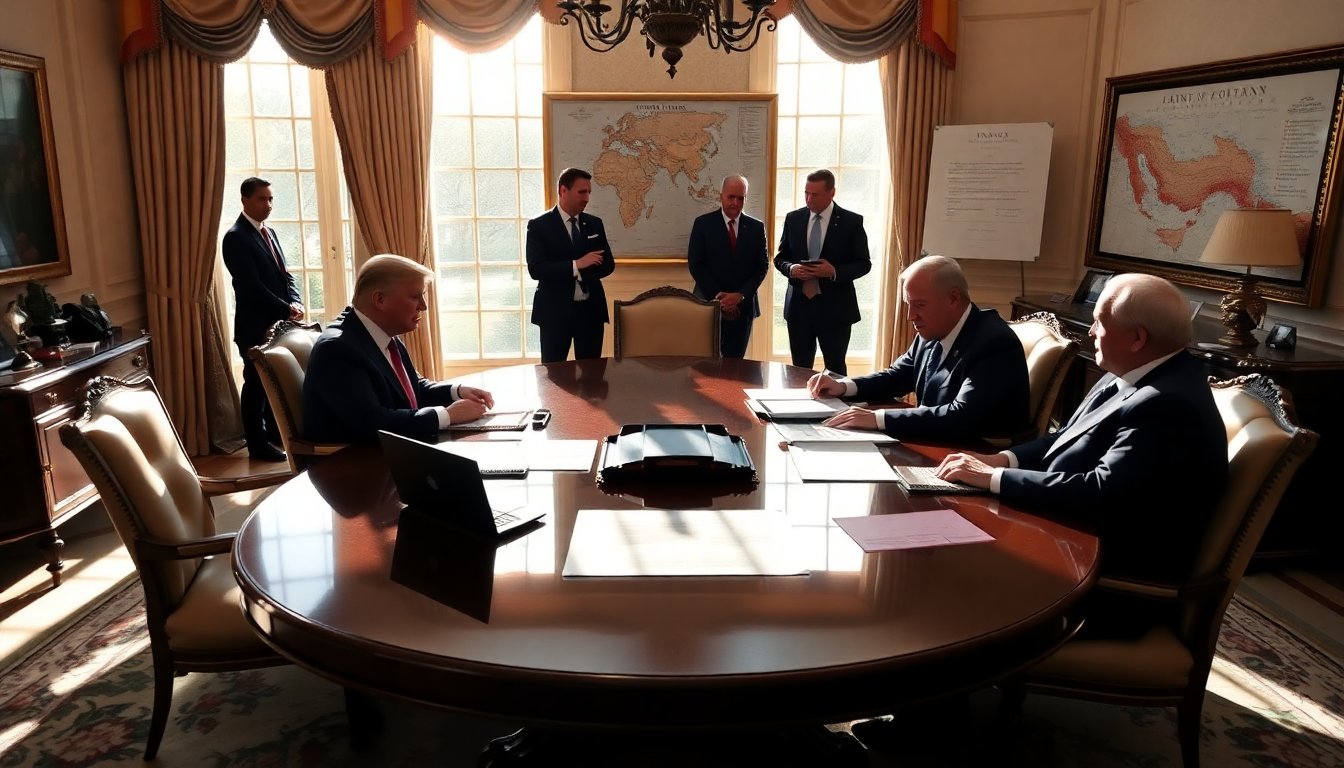
On Monday, President Donald Trump is scheduled to engage in significant discussions with Israeli Prime Minister Benjamin Netanyahu at Mar-a-Lago. Their meeting will focus on rising tensions with Iran and the potential advancement of peace efforts regarding Gaza. This dialogue occurs as both leaders aim to solidify their strategies amid a rapidly evolving geopolitical landscape.
Prior to his meeting with Trump, Netanyahu will discuss preliminary matters with Secretary of State Marco Rubio. This initial conversation may set the stage for the broader topics to be addressed later in the day.
Understanding the stakes: Gaza and Iran
According to Dr. Dan Diker, head of the Jerusalem Center for Security and Foreign Affairs, Trump is likely to pressure Netanyahu regarding the implementation of the peace plan. Diker noted that Trump’s approach is notably different from the typical timelines observed in Middle Eastern diplomacy, which tend to be more prolonged compared to the swift pace of American politics.
Israel’s security threats
Netanyahu’s primary aim during this visit is to communicate Israel’s serious threat assessment regarding Iran, Hezbollah, and Hamas. He intends to stress to Trump that Tehran is actively enhancing its military capabilities, posing a direct challenge to Israel’s security. Discussions will likely include requests for Israel to take necessary actions against Hamas, which operates from Gaza.
Former Israeli Prime Minister Yair Lapid echoed these concerns, asserting that while coordination with the US is crucial, Israel’s top priority must be the effective management of the situation in Gaza. He emphasized that disarming Hamas is essential for ensuring Israel’s safety.
The Iranian threat and military strategies
As the meeting progresses, Netanyahu is expected to present Trump with a strategy that may include potential military strikes on Iran. Israel has alerted the US to concerning signs from Iran, such as missile drills conducted by the Iranian Revolutionary Guard Corps, which may indicate preparations for an attack. This issue has been communicated to US Central Command by Israeli military leaders.
Iran’s position in the conflict
In a recent interview, Iranian President Masoud Pezeshkian stated that Iran is in a state of total war against the US, Israel, and European nations. He expressed his belief that external forces aim to undermine Iran. This declaration highlights the urgency of addressing Iran’s actions and intentions during the upcoming talks.
Despite some US intelligence assessments indicating no immediate threat, Israeli defense personnel remain vigilant. Dr. Meir Javedanfar, an expert on Iran, suggested that Netanyahu’s proposed strategy may seek to destabilize Iran’s leadership further, particularly following the economic decline associated with recent conflicts.
Progressing the Gaza peace plan
Israeli Minister for Settlement and National Missions Orit Strook emphasized the importance of comprehensive demilitarization of Gaza before advancing to further stages of the peace plan. She referenced Trump’s previous address to the Israeli Knesset, underscoring his commitment to securing international support for Gaza’s disarmament.
The Israeli Defense Forces have begun establishing tactical boundaries in Gaza, suggesting preparations for potential further actions. Strook warned that any failure to achieve complete demilitarization would not only hinder Trump’s peace plan but also jeopardize Israel’s security.
Prior to his meeting with Trump, Netanyahu will discuss preliminary matters with Secretary of State Marco Rubio. This initial conversation may set the stage for the broader topics to be addressed later in the day.0
Looking forward
Prior to his meeting with Trump, Netanyahu will discuss preliminary matters with Secretary of State Marco Rubio. This initial conversation may set the stage for the broader topics to be addressed later in the day.1
Prior to his meeting with Trump, Netanyahu will discuss preliminary matters with Secretary of State Marco Rubio. This initial conversation may set the stage for the broader topics to be addressed later in the day.2