
Table of Contents
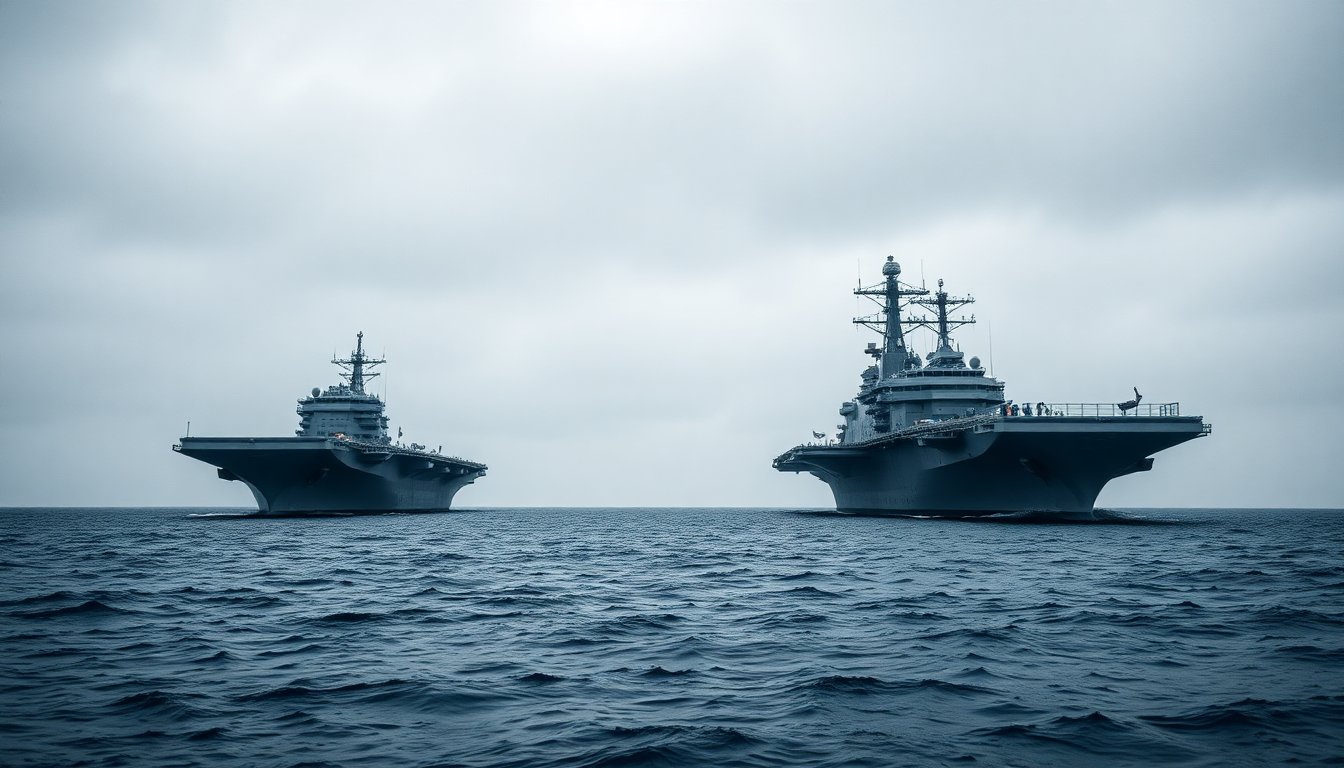
President Donald Trump’s recent message on Truth Social — declaring that the United States does not need the United Kingdom’s aircraft carriers — has amplified diplomatic friction between the two governments. The comment followed the UK Ministry of Defence announcement that the HMS Prince of Wales had been put on high readiness, a status indicating rapid deployment capability for the vessel. The post framed the UK as a “once great ally” and criticised Prime Minister Keir Starmer’s later decision to permit US use of British bases for what London described as limited defensive purposes, deepening an already sensitive transatlantic dispute.
What triggered the public spat
The exchange began as Britain assessed its options after the outbreak of conflict involving the US, Israel and Iran. The UK initially hesitated to open its facilities, prompting a frustrated response from Trump about transatlantic burden-sharing. When the government in London subsequently authorised access to two sites — RAF Fairford in Gloucestershire and the Diego Garcia base in the Chagos Islands — it described the support as enabling “necessary and proportionate” action to protect regional allies. Those decisions coincided with reports of the US deploying heavy assets, including a B-1 Lancer bomber to RAF Fairford, reflecting a shift from logistical constraint to operational cooperation.
Military movements and capabilities
The arrival of a US long-range bomber at RAF Fairford underscores the practical effect of British permissions. The B-1, capable of carrying a substantial weapons load and striking distant targets quickly, was highlighted by analysts as making missions from the UK “more efficient” than transatlantic shuttles. Meanwhile, the UK readied the HMS Prince of Wales and prepared to dispatch the destroyer HMS Dragon to the eastern Mediterranean, alongside additional fighter jets and helicopters. Officials described these steps as defensive in scope, aiming to counter threats such as missile and drone strikes originating from Iran.
Regional risk and civilian impact
The conflict’s human cost and regional fallout have been severe. Reports indicate an estimated 1,332 people have died in Iran, and the US has acknowledged the deaths of six of its service members, with casualties also reported in Lebanon, Kuwait, the United Arab Emirates and Iraq. Civilian concerns have translated into public dissent: thousands protested outside the US Embassy in London, while flight disruptions and evacuation charters highlighted the broader instability for international travel and expatriate communities. The UK emphasised protective measures at bases such as RAF Akrotiri in Cyprus after drone activity caused limited damage but raised alarm.
Political pressures in London and Washington
Keir Starmer’s government has had to navigate competing pressures at home: critics accused him of either dragging Britain into offensive action or of failing to stand with allies. Parliamentary statements stressed that Britain was “not joining the US and Israeli offensive strikes” while pledging to defend national interests and lives. Polling by Survation captured this ambivalence: 43 percent of respondents deemed the conflict unjustifiable, and 56 percent approved Starmer’s initial reluctance to allow US use of UK bases. At the same time, Trump’s public rebukes have become more frequent, referencing historical figures and past decisions — including frustration over the Diego Garcia transfer to Mauritius following an International Court of Justice finding.
Diplomatic fallout and alliances
The spat is part of a broader trend in which the US administration appears to be recalibrating its traditional alliances. Trump’s Oval Office comments about being “not happy with the UK” and his admiration for wartime leaders contrasted with pointed criticisms of Starmer’s policies. At the same time, US officials have courted other partners, praising politically aligned leaders at international gatherings. London has sought to reassure regional partners such as Saudi Arabia of its readiness to support defensive needs, while stressing that British action will remain measured and legally justified.
As the situation continues to evolve, the public rhetoric between the capitals has highlighted how quickly military cooperation can become entangled with domestic politics and global perceptions of reliability. The mix of operational movement — from carrier readiness and bomber deployments to base permissions — and headline-grabbing social media posts has produced a complex diplomatic tableau in which strategic choices are scrutinised both abroad and at home.