
Table of Contents
In a significant escalation of diplomatic tensions, U.S. President Donald Trump announced that Venezuela would cease all oil and financial support to Cuba. This announcement follows the capture of Venezuelan President Nicolás Maduro by U.S. forces, marking a pivotal moment in the long-standing adversarial relationship between the United States and Cuba.
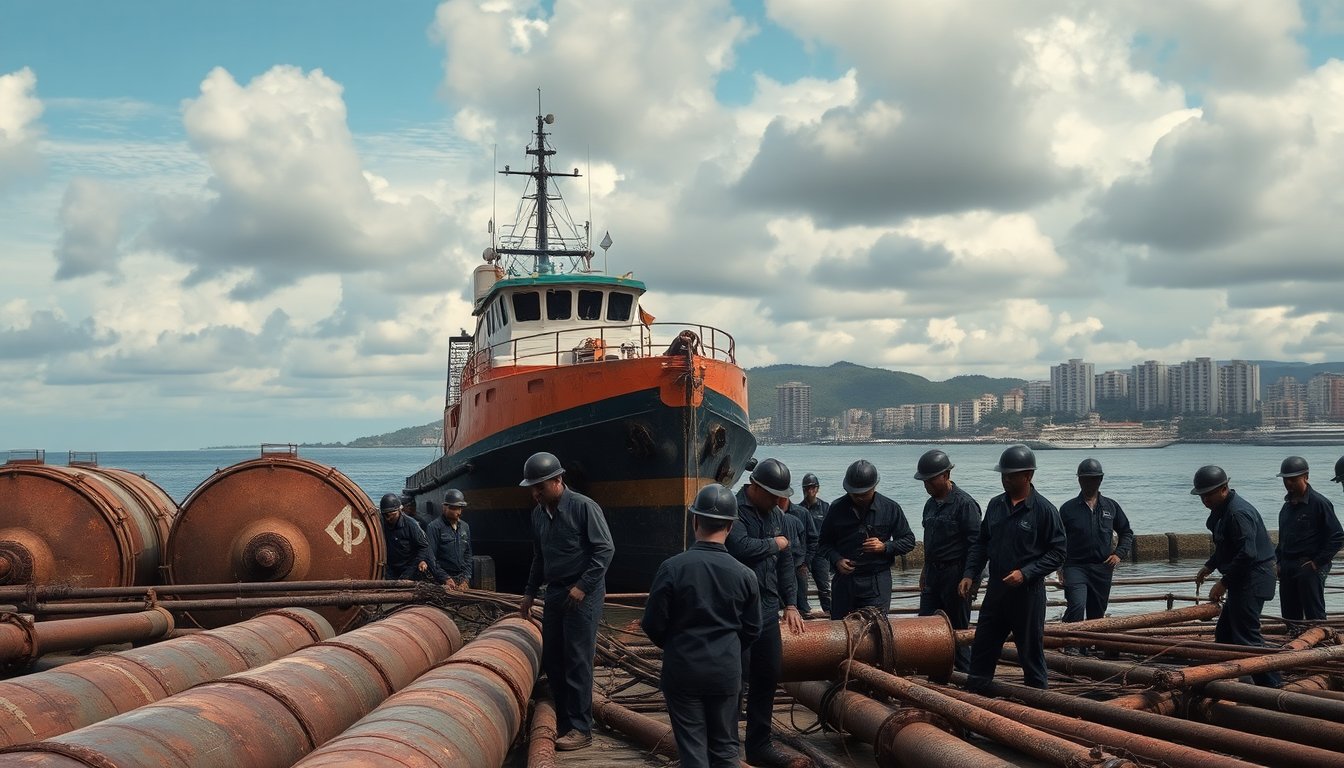
The halt in oil shipments represents a critical blow to Cuba, which has heavily depended on Venezuelan oil for its energy needs. As the largest supplier of oil to Cuba, Venezuela’s recent cessation of exports threatens to worsen the ongoing energy crisis on the island.
Background of the oil supply crisis
Historically, Venezuela has served as a vital source of crude oil for Cuba, supplying approximately 26,500 barrels per day last year, which accounted for nearly half of Cuba’s oil deficit. However, following Maduro’s capture on January 3, 2026, and under a strict U.S. oil embargo, no shipments have left Venezuelan ports destined for Cuba.
The U.S. has imposed heavy sanctions on Venezuela to undermine Maduro’s government, leading to a significant decline in its oil production capabilities. With operational refining capacities dwindling, Venezuela’s ability to support Cuba is severely compromised.
Trump’s ultimatum
In a post on his social media platform, Trump stated, “THERE WILL BE NO MORE OIL OR MONEY GOING TO CUBA — ZERO!” He urged Cuba to negotiate a deal with Washington before it is “too late.” While the specifics of the proposed deal remain unclear, the message is evident: the U.S. is intensifying pressure on Cuba and demanding a shift in its policies.
Trump’s rhetoric has escalated recently, with U.S. officials adopting a firmer stance against the Cuban regime. The implications of these threats could compel Cuba to reconsider its longstanding alliances, particularly with Venezuela, as the island confronts an energy crisis that could destabilize its economy.
Cuba’s response and energy alternatives
In response to Trump’s declaration, Cuban Foreign Affairs Minister Bruno Rodríguez asserted Cuba’s right to import fuel from any willing suppliers, noting that the nation has not received compensation for security services provided to Venezuela. Additionally, Cuban President Miguel Díaz-Canel rejected Trump’s threats, declaring Cuba a “free, independent, and sovereign nation” that will not be dictated to by external powers.
Despite this defiance, the reality for Cuba remains challenging. With limited options for sourcing oil, the nation is left vulnerable. In recent weeks, Mexico has emerged as a crucial alternative supplier, albeit with significantly smaller volumes. Mexican President Claudia Sheinbaum indicated that while supply volumes have not increased drastically, Mexico has become an “important supplier” due to the recent political upheaval in Venezuela.
Future implications for Cuba
The U.S. intelligence community has painted a grim picture of Cuba’s economic outlook, indicating significant strain on key sectors, including agriculture and tourism. The loss of Venezuelan support could further complicate governance for President Díaz-Canel as Cuba faces rolling blackouts and daily fuel shortages.
While Trump’s administration aims to leverage this situation to push Cuba toward reform, the path ahead is fraught with challenges. The potential for an oil embargo could force the island to seek new alliances or reassess its current policies as it grapples with the reality of diminished oil supplies and increasing pressure from the U.S.
The halt in oil shipments represents a critical blow to Cuba, which has heavily depended on Venezuelan oil for its energy needs. As the largest supplier of oil to Cuba, Venezuela’s recent cessation of exports threatens to worsen the ongoing energy crisis on the island.0