
Table of Contents
In a notable shift in U.S.-Iran relations, President Donald Trump has signaled the possibility of sending a second aircraft carrier to the Middle East. This announcement arrives as diplomatic discussions aimed at resolving ongoing tensions with Iran are set to recommence, following a prior meeting that produced minimal results.
The evidence
Documents in our possession show that Trump’s remarks regarding military escalation are part of a larger strategy intended to apply pressure on Iran at a pivotal moment in negotiations. According to papers reviewed, the U.S. administration maintains that a failure to secure a satisfactory agreement could necessitate a response deemed “very tough” by the president. This stance highlights the intricate balance between pursuing diplomacy and maintaining military preparedness.
Conversations with Iranian officials
Recently, U.S. envoys engaged senior Iranian officials to address the intricate dynamics of their relationship. However, these discussions concluded without yielding a definitive resolution, raising concerns that both parties may be gearing up for a more confrontational approach. The context of these talks is steeped in historical tensions, particularly regarding Iran’s nuclear ambitions and its actions in the region.
Implications for regional stability
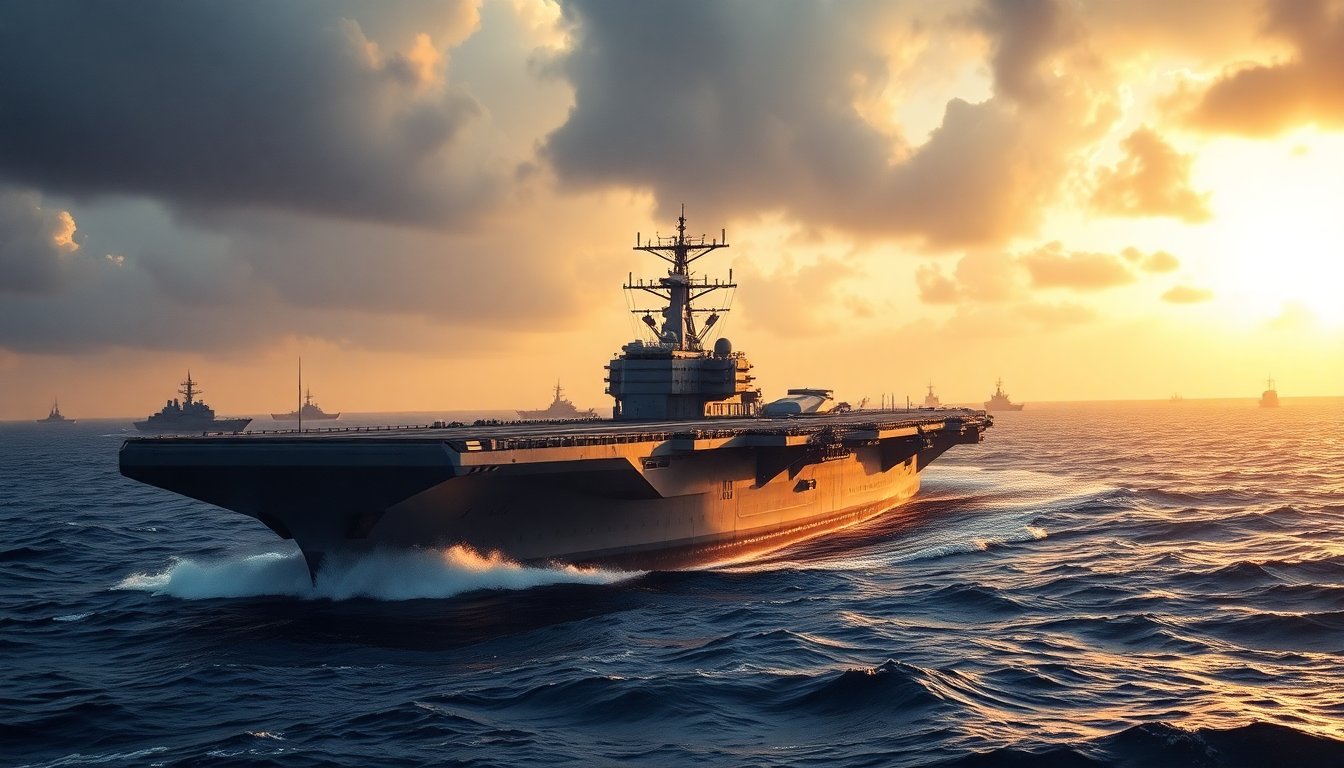
The potential deployment of an additional aircraft carrier enhances the U.S. military presence in the region, which already hosts substantial naval assets. This development may serve as a direct warning to Iran, indicating the U.S. readiness to act decisively should diplomatic efforts fail. Military analysts argue that such a display of strength could deter Iranian aggression; however, it also risks provoking further escalation of hostilities.
The role of Israel in the negotiations
Israeli Prime Minister Benjamin Netanyahu is traveling to Washington for consultations with U.S. officials. This visit underscores the complex alliances and rivalries shaping the Middle East. Israel perceives a nuclear-armed Iran as a significant threat and has consistently pushed for a hardline stance against Tehran. Discussions between Netanyahu and President Donald Trump are expected to focus on strengthening military cooperation and developing strategies to counter Iran’s growing influence.
Historical context of U.S.-Iran relations
The relationship between the United States and Iran has been marked by persistent tension since the 1979 Iranian Revolution. The U.S. aims to curtail Iran’s regional influence, particularly due to its support for militant groups and its contentious nuclear program. The current situation echoes previous crises, characterized by a delicate balance between military posturing and diplomatic efforts.
As global observers monitor these developments, the ramifications of military considerations and Iran’s responses will be pivotal. The situation remains dynamic, with both diplomatic and military strategies under consideration as the U.S. navigates this intricate geopolitical landscape.
The evolving landscape of U.S.-Iran relations
The intersection of military strategy and diplomatic efforts in the Middle East remains intricate and uncertain. The potential deployment of a second aircraft carrier by the U.S. adds a significant layer of tension as both nations prepare for renewed negotiations.
Implications for the region
The outcome of these discussions could extend beyond Iran and the United States, impacting the broader Middle Eastern landscape. Regional stability is at stake, and key players will likely react based on the negotiations’ trajectory.
Ongoing tensions and future developments
As the situation develops, observers are closely monitoring the responses from various stakeholders, including allies and adversaries in the region. The dynamics of power and influence are shifting, and the upcoming talks could redefine relationships within the area.
Looking ahead
The next steps in this diplomatic process will be crucial. Continued engagement and dialogue are essential to navigate the complexities of U.S.-Iran relations and the potential ramifications for regional peace and security.