
Table of Contents
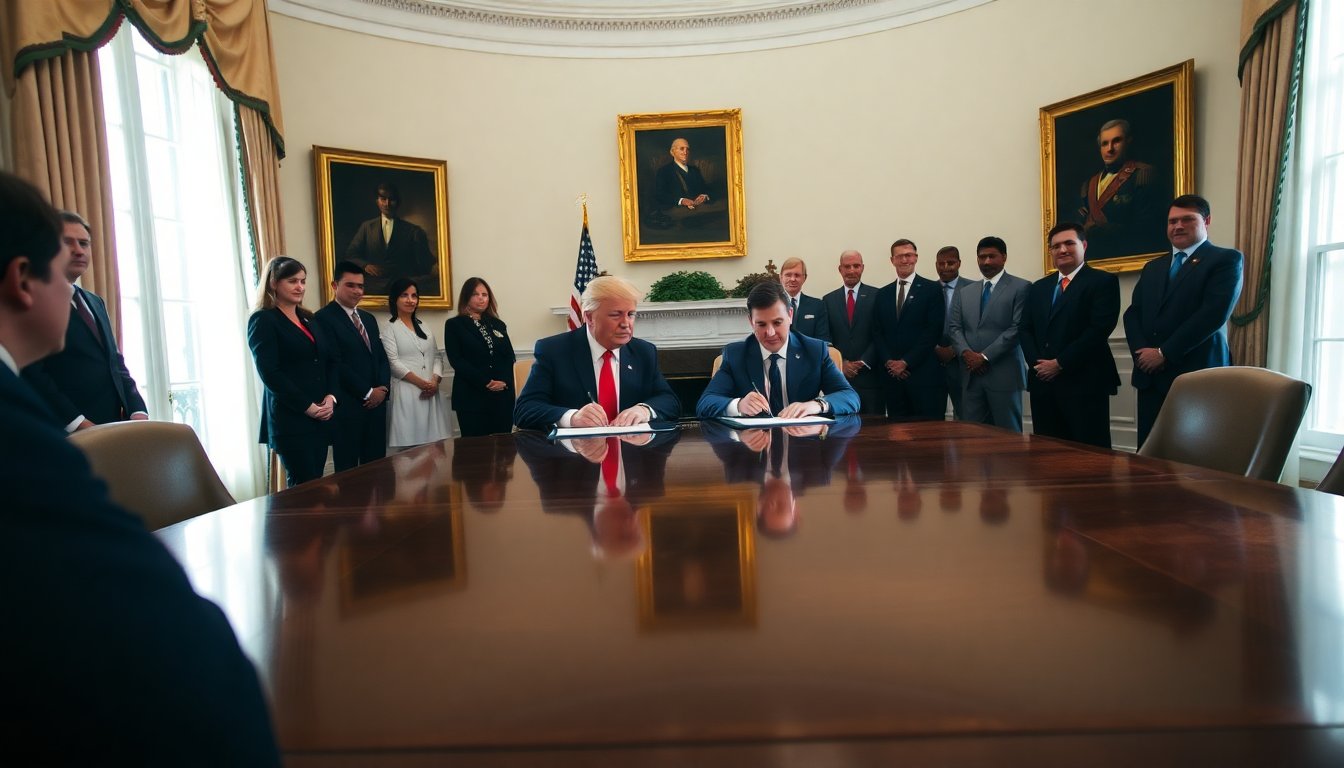
In a significant diplomatic encounter, President Donald Trump of the United States is set to host Colombian President Gustavo Petro at the White House. This meeting follows a tumultuous period characterized by harsh rhetoric and accusations. Just weeks prior, Trump publicly labeled Petro as a “lunatic” and criticized Colombia’s handling of the drug trade. Despite this rocky backdrop, both leaders are eager to find common ground in their discussions.
Scheduled for Tuesday, the meeting will focus primarily on regional security and strategies to combat drug trafficking. In a surprising turn, Trump noted that Petro appeared more amenable to collaboration following a recent military operation targeting Venezuelan leader Nicolás Maduro. Trump remarked, “Somehow after the Venezuelan raid, he became very nice,” suggesting a shift in Petro’s stance.
Background of strained relations
The relationship between the US and Colombia has historically been robust, rooted in shared interests like combating drug trafficking and fostering economic stability. However, recent events have significantly strained these ties. Colombia, the world’s leading producer of cocaine, has seen its leader embroiled in controversies, including accusations from Trump regarding his alleged involvement in drug smuggling.
In a series of provocative statements, Trump threatened military actions against Colombia and imposed sanctions on Petro and his close associates. The sanctions, issued by the Treasury Department, targeted Petro along with family members and associates, illustrating the depth of tensions. This marked the first time in decades that Colombia was added to a list of countries failing to cooperate in the war on drugs, complicating diplomatic relations further.
Key issues on the agenda
During this high-stakes meeting, the leaders must navigate their ideological differences. Trump, known for his assertive and often confrontational style, and Petro, who leans towards the left, share a proclivity for bold statements. This meeting has the potential to either exacerbate existing tensions or pave the way for a more collaborative approach.
One of the critical issues at the forefront of their discussions is the ongoing drug crisis. Colombia has faced immense pressure to address its drug production and trafficking, which has significant implications for the United States. Both presidents have expressed a desire to tackle this challenge, albeit through different methods. While Trump advocates for a more aggressive military stance, Petro’s administration has favored negotiation and community-based solutions.
Potential outcomes and future relations
The outcome of this meeting could significantly influence US-Colombia relations in the coming years, especially with Colombia facing presidential elections later this year. As Petro’s term comes to a close, establishing a more stable relationship with the US could be seen as a legacy achievement for his administration, benefiting his successor.
Moreover, the meeting could open avenues for collaboration on issues surrounding Venezuela. With millions of Venezuelan migrants seeking refuge in Colombia due to the ongoing crisis, a stable Venezuela is crucial for Colombia’s economic and social well-being. Both nations share the goal of restoring stability in Venezuela, which could facilitate increased trade and economic partnerships.
Looking ahead
As the two leaders prepare for their meeting, the world watches closely. The discussions could set the tone for future interactions between the US and Colombia, highlighting the importance of diplomacy in resolving conflicts. For Trump, the opportunity to reshape a pivotal relationship in Latin America is significant, while for Petro, it represents a chance to assert Colombia’s role on the global stage.
The upcoming meeting between Trump and Petro comes at a critical juncture marked by both opportunity and challenge. With the potential to mend ties and foster cooperation, it remains to be seen how effectively both leaders can navigate their differences for the benefit of their nations.