
Table of Contents
The approach of the Trump administration to the ongoing war on drugs has generated considerable debate and controversy. Recent actions involving prominent figures and military interventions have intensified this discussion. Notably, the pardon of former Honduran President Juan Orlando Hernández, who is a convicted drug trafficker, raises questions about the integrity of U.S. policy concerning narcotrafficking. This situation has prompted skepticism regarding the administration’s commitment to combating narcoterrorism.
Escalating military actions in Venezuela
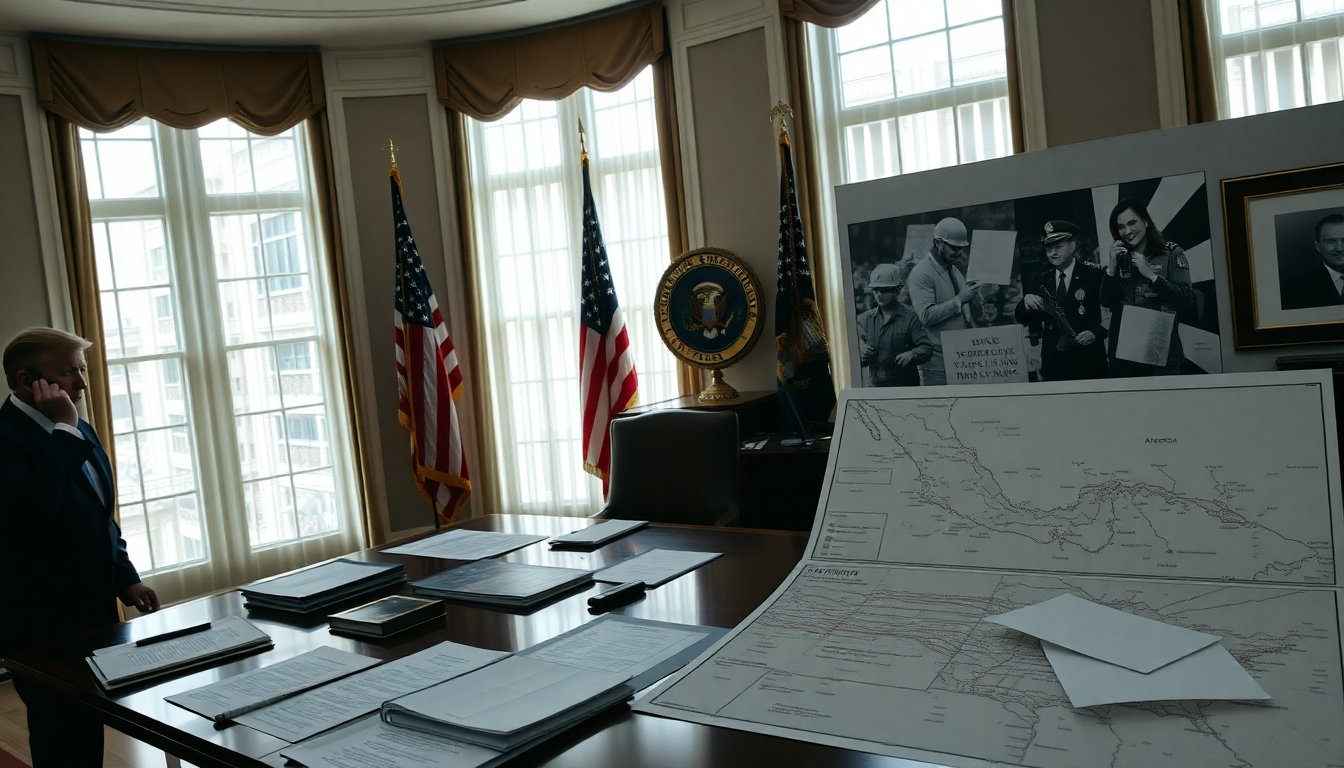
In recent developments, President Trump held a meeting with his national security team to discuss the situation in Venezuela. This meeting follows an increase in U.S. military operations targeting alleged drug smuggling vessels from the South American country. As military action intensifies in the region, questions surrounding the legality and ethics of these operations have arisen.
Legal implications of military strikes
Reports indicate that U.S. forces conducted strikes against a drug boat on September 2, which resulted in casualties among those onboard. Defense Secretary Pete Hegseth has come under fire for allegedly ordering a second strike that led to these deaths. Critics contend that these actions may qualify as a war crime, as international law prohibits targeting individuals who are no longer a threat.
The recent events have sparked considerable backlash from lawmakers across the political spectrum. Representative Adam Smith has raised concerns regarding the legality of the orders issued, arguing that they jeopardize the principles of accountability and justice. This ongoing debate highlights the urgent need for a well-defined framework governing military engagement in unconventional conflicts.
The contentious strategy of the administration
As this situation continues to develop, the administration defends its actions, claiming that the strikes are essential to counter the escalating threat from drug cartels. However, the ambiguities in the legal justifications provided by the Department of Defense have caused significant unease. A memo submitted to Congress asserts that the U.S. is involved in a non-international armed conflict with drug traffickers, complicating the legal parameters surrounding military operations.
The impact on international law and human rights
Human rights advocates express significant concerns regarding the implications of classifying drug cartels as legitimate military adversaries. Sarah Yager from Human Rights Watch contends that this characterization undermines protections for civilians under international law. The ambiguity surrounding rules of engagement creates dangerous precedents, potentially allowing the United States to act without accountability.
Additionally, as the Trump administration continues to defend its military interventions, a critical question arises: do these actions effectively tackle the root causes of drug trafficking, or do they merely serve as a method of projecting power? Critics emphasize that the majority of drug-related fatalities in the United States stem from substances like fentanyl, which are typically not trafficked via boats.
Political ramifications and future outlook
Implications of Trump’s drug policy on U.S. foreign relations
The ongoing controversies surrounding Trump’s drug policy and military actions are poised to have significant implications for U.S. foreign policy. Legal ramifications could arise for military personnel executing questionable orders, highlighting the urgent need for clarity and oversight in military operations.
Congressional conflict over military actions
The internal conflict within Congress regarding the legality of these military strikes underscores the broader political ramifications of Trump’s strategy. As military leaders prepare to brief lawmakers, discussions about the ethical implications of warfare in the context of drug trafficking are more critical than ever.
The ongoing debate raises critical questions for the American public about the effectiveness of current policies aimed at combatting drug trafficking. Concerns about potential abuse and breaches of international standards are paramount. The administration’s response to these intricate challenges will significantly shape the future of U.S. involvement in this pressing issue.