
Table of Contents
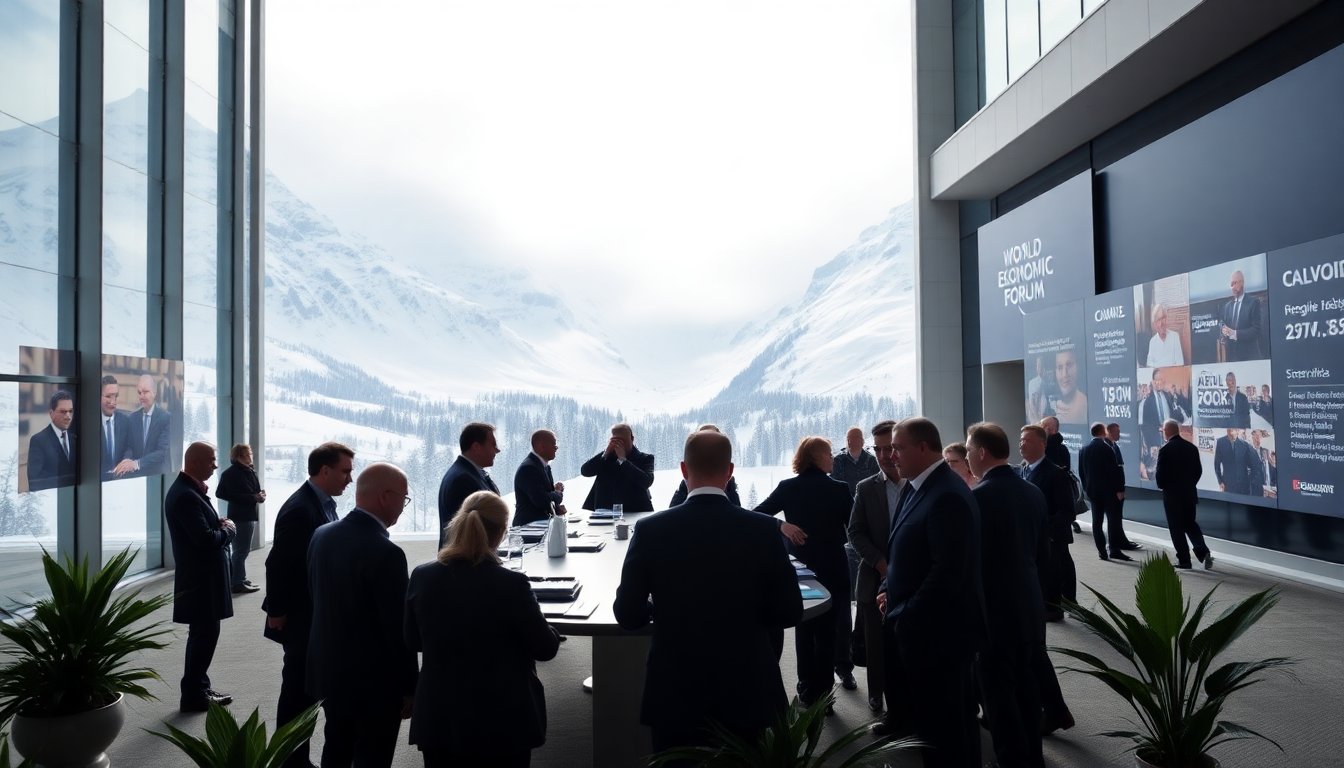
The annual gathering of the World Economic Forum in the picturesque Swiss town of Davos serves as a platform for global leaders and business magnates to discuss pressing issues. This year, however, President Donald Trump’s attendance brings to light significant concerns regarding the state of U.S. foreign relations and the increasing divide between the wealthy and the impoverished.
As Trump prepares for his third visit to this elite summit, his administration’s recent actions, including new tariffs and controversial foreign policies, have left many allies feeling uneasy. The overarching theme of the forum – promoting dialogue to improve the state of the world – seems at odds with the current climate of geopolitical tension.
Concerns about U.S. foreign policy and international trust
Leaders from around the globe will convene to discuss critical topics, including the widening gap between rich and poor, the implications of artificial intelligence on employment, and the shifting landscape of global trade. Mirek Dušek, a managing director at the forum, emphasizes that the current geopolitical climate is marked by increased competition and contestation. This backdrop makes Trump’s presence particularly noteworthy, as his administration’s hardball tactics have raised eyebrows among fellow leaders.
Trump’s controversial strategies
Trump’s intentions to acquire Greenland and his administration’s stance on Venezuela’s resources complicate the narrative further. His aggressive rhetoric has led to strained relations with allies, prompting discussions about how these dynamics will unfold in Davos. Business leaders and lawmakers are keenly aware of the potential fallout from Trump’s approach, which may overshadow discussions about global economic cooperation.
Moreover, Trump’s strategy of engaging with billionaires rather than addressing the needs of struggling families has sparked criticism. As he prepares to speak about making housing more affordable, the irony of discussing this topic in a town where luxury chalets cost millions is not lost on observers. Many argue that the focus on attracting investments from wealthy individuals does little to alleviate the economic burdens faced by average citizens.
The widening wealth gap and its implications
Recent reports from organizations like Oxfam reveal alarming trends: the wealth of billionaires has surged, outpacing the economic recovery of the middle and lower classes. In fact, the wealth of the world’s richest individuals has grown significantly, highlighting a troubling reality where nearly half of the global population continues to live in poverty. The disconnect between the elite class and ordinary citizens is palpable, raising questions about the effectiveness of current policies.
Trust erosion in institutions
According to the Edelman Trust Barometer, many people are retreating from dialogue, favoring nationalism over global collaboration. This shift hints at a broader societal trend where individuals prioritize personal gain over collective progress. The report indicates that trust in institutional leaders, including those in government and business, has plummeted, with many believing these figures intentionally mislead the public.
As the forum unfolds, Trump will likely face pushback from critics who argue that his pro-billionaire agenda has exacerbated inequality. With rising inflation and a labor market impacted by his tariffs, the focus on attracting investment from billionaires may not resonate well with the average voter. As the midterm elections approach, Trump’s ability to address economic issues affecting everyday Americans will be under scrutiny.
Protests and public sentiment
In the lead-up to the forum, protesters have already taken to the streets to voice their discontent with the gathering of elites. Many marchers have expressed their belief that the event serves to fuel economic disparities rather than foster genuine solutions. Critics argue that the forum has become a platform for superficial dialogue that fails to produce tangible results.
Future implications for global cooperation
As leaders from various countries gather to discuss their visions for the world, the overarching question remains: can Trump effectively navigate the complexities of international relations while addressing the pressing needs of his constituents? With the global landscape evolving rapidly, a delicate balance must be maintained to ensure that cooperation prevails over division. The outcomes of discussions at Davos could have lasting implications for both U.S. foreign policy and the broader economic landscape.