
Table of Contents
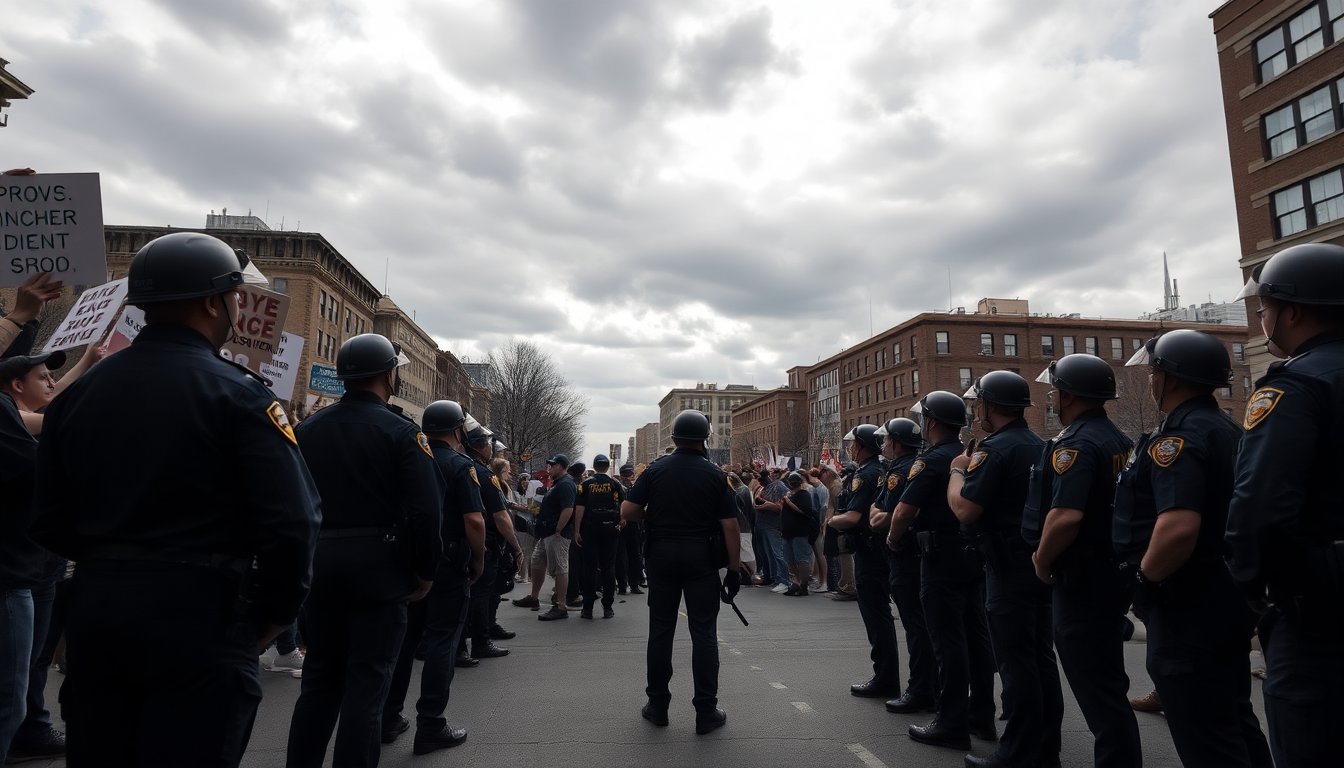
In recent times, the Trump administration has shown a tendency to use military force as a solution to various challenges. This approach raises significant questions about the implications of military intervention in both domestic and international contexts. A notable incident in Minnesota highlighted this trend when President Trump threatened to deploy federal troops to manage protests against immigration officials.
As discussions around military strategy continue, it becomes evident that Trump’s reliance on armed forces extends beyond domestic unrest. Reports indicate potential military actions regarding international issues, including discussions of conducting strikes against Iran and the controversial idea of acquiring Greenland from Denmark. These developments underscore a troubling trend of prioritizing military options in governance.
The implications of military intervention
The inclination to resort to military intervention has profound implications for both domestic and global politics. Trump’s threats to use military power to quell protests signal a shift in how the federal government perceives civil unrest. Instead of addressing root causes through dialogue and policy reform, the administration seems to favor a more aggressive response rooted in military force.
Domestic unrest and military responses
Protests against immigration enforcement in Minnesota exemplify the growing tension between civil society and governmental authority. Trump’s statement about sending troops to quell these protests reflects an administration that views military action as a viable option for managing discontent. This response raises ethical questions about the role of the military in domestic affairs and the potential for escalating violence.
Moreover, such military involvement blurs the lines between law enforcement and military action, leading to fears of a militarized approach to civil issues. Critics argue that this method undermines democratic principles by prioritizing force over negotiation and understanding.
International military strategies
On the international front, the administration’s willingness to engage in military actions raises alarms about the broader implications for global stability. The potential for military strikes against countries like Iran suggests an aggressive foreign policy stance that could lead to increased tensions and conflict.
Legal and ethical considerations
Compounding these issues, the Pentagon’s recent investigations into comments made by Senator Mark Kelly reflect the administration’s desire to control the narrative around military actions. Kelly’s remarks urging military personnel to resist unlawful orders prompted a formal Pentagon investigation, raising concerns about free speech and the treatment of dissent within military ranks.
This investigation has been described by Kelly as a move designed to intimidate not only him but also other service members and government officials. Such actions pose significant risks to the ethical standards expected of military operations and governance, as they may discourage open dialogue and accountability.
As discussions about military interventions continue to unfold, the potential ramifications for both domestic politics and international relations raise critical questions. The reliance on military solutions could lead to a cycle of violence, further complicating the already fraught landscape of global politics.
The Trump administration’s inclination to use military force as a primary tool for addressing issues, both domestically and internationally, raises serious concerns about governance, ethics, and the future of military engagement in civil matters. As the situation evolves, it remains essential for lawmakers and citizens alike to engage in discussions about the appropriate role of military power in a democratic society.