
Table of Contents
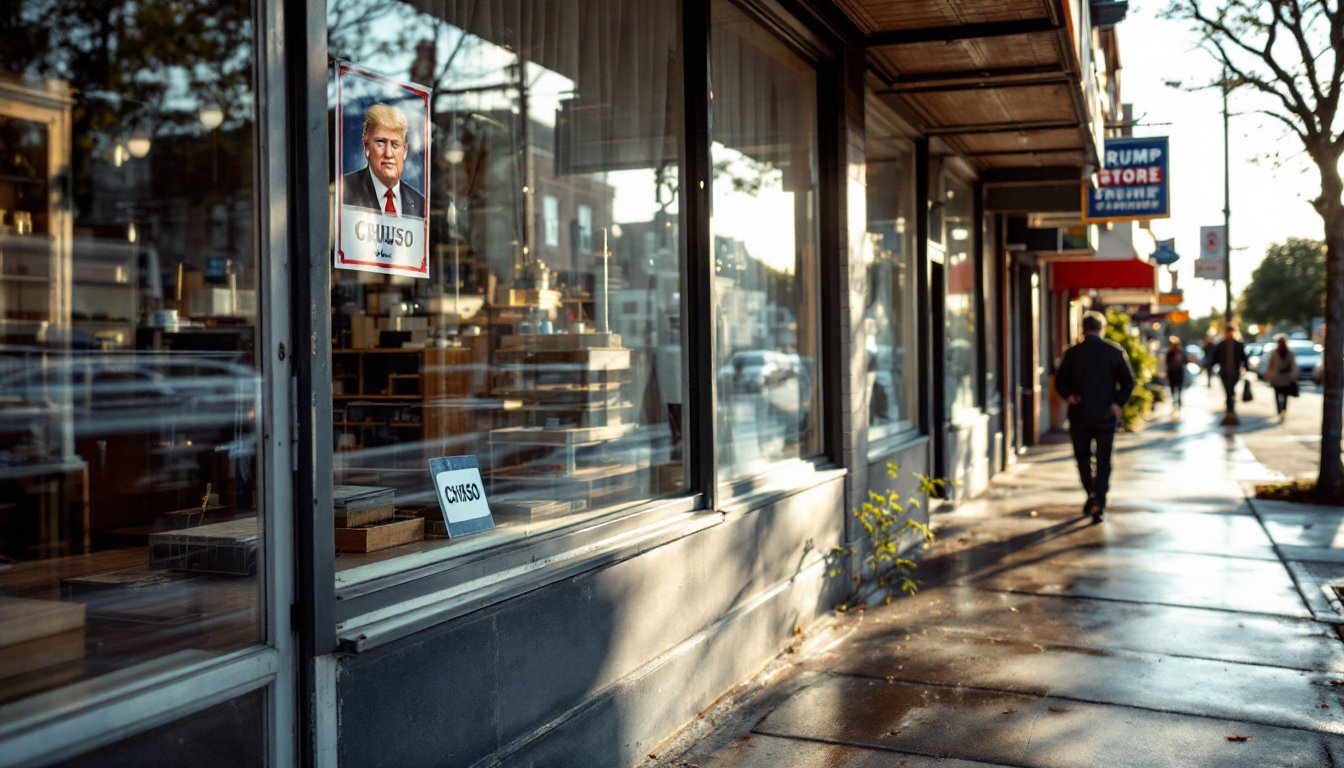
The political landscape has undergone significant transformations recently, highlighted by the decision to close Trump’s retail outlet in suburban Philadelphia. Once a vibrant hub for supporters of the MAGA movement during the 2026 campaign, the store has experienced a substantial decline in sales as the election cycle draws to a close.
Initially, the store served as a gathering place for enthusiastic backers. However, dwindling sales and the lack of forthcoming electoral battles have led to its closure. This shift illustrates the evolving nature of political engagement and consumer behavior.
The rise and fall of the Trump store
Initially, the Trump store was more than a retail space; it became a symbol of political identity for many rallying behind Trump’s campaign. With its colorful displays of merchandise, from hats to memorabilia, the shop was a focal point for local supporters eager to express their allegiance. As the 2026 presidential campaign gained traction, the store thrived on the high energy of political enthusiasm.
Challenges in sustaining interest
However, as the election year advanced and excitement began to wane, the store encountered significant challenges. The lack of a new electoral contest caused foot traffic to drop sharply. This trend mirrors broader patterns where political merchandise often sees a spike during elections but struggles to maintain relevance during off-years.
Additionally, the retail market is evolving, with consumers becoming more selective about their purchases. The once-sturdy sales figures supporting the store’s operations began to decline, reflecting a shift in consumer sentiment. Many supporters may have lost interest or sought alternative ways to express their political affiliations, further impacting sales.
Implications for the MAGA movement
The closure of the Trump store serves as a cautionary tale for political retail ventures. It underscores the delicate nature of political branding and the difficulties political figures face in maintaining a consistent presence in the retail space. With no imminent election battles, the store’s closure raises questions about the future of merchandise linked to political identities.
Future of political retail
As political dynamics continue to evolve, the future of retail spaces dedicated to political figures will likely necessitate a more adaptable approach. Retailers may need to explore innovative strategies to remain relevant, such as diversifying product offerings or engaging with supporters beyond merchandise. The evolution of the retail landscape, particularly regarding political identity, will hinge on understanding consumer behavior and the factors that drive engagement.
The shutdown of the Trump store in suburban Philadelphia marks a pivotal moment for political merchandise retail. It highlights the importance of recognizing the fluctuating nature of consumer interest and the challenges that come with sustaining a political brand outside of election cycles. As the MAGA movement considers its next steps, the lessons learned from this retail experience will play a crucial role in shaping future endeavors.