
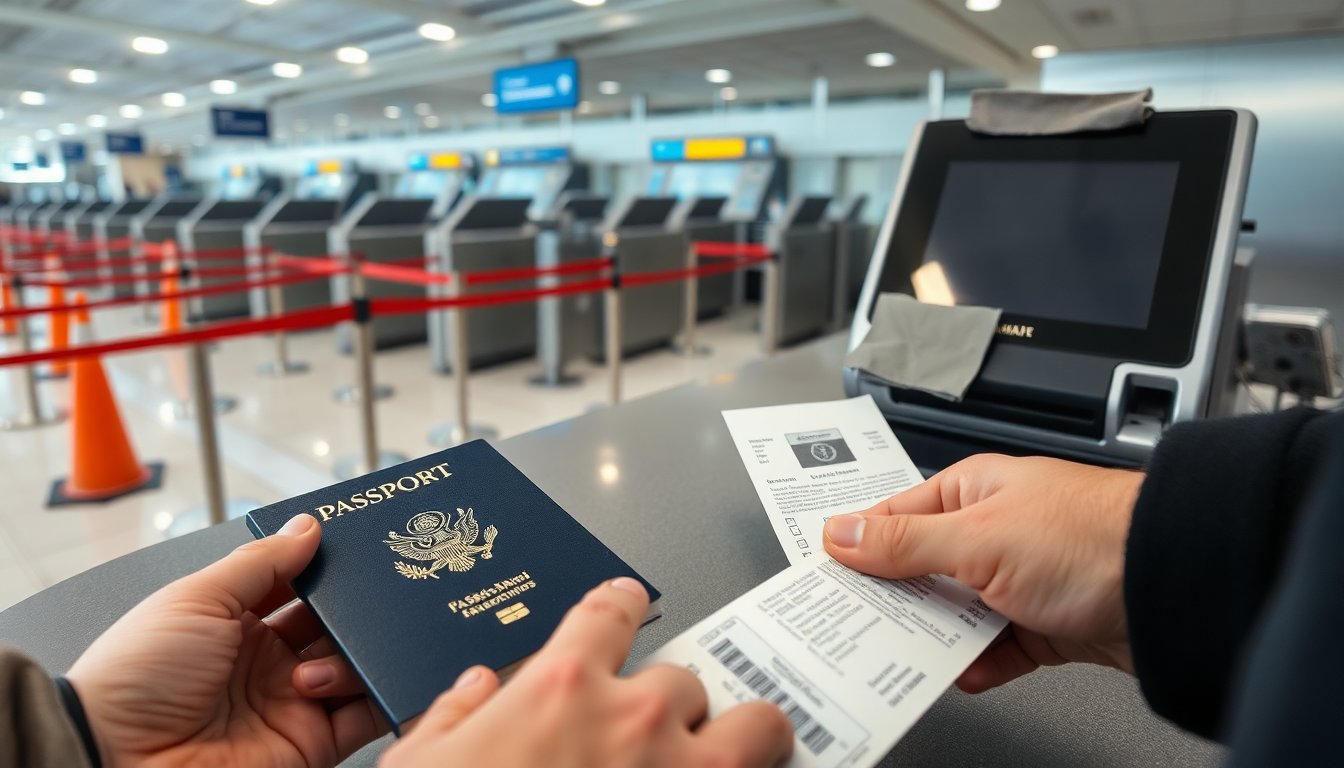
DHS suspends TSA PreCheck and Global Entry as funding lapses — what travelers need to know
The Department of Homeland Security (DHS) announced an immediate, temporary pause to processing for TSA PreCheck and Global Entry after its federal funding lapsed. The change took effect Sunday morning (reports cited about 6 a.m. ET). DHS says the suspension is a short‑term step to preserve staffing for core missions while the department waits for new appropriations.
Quick snapshot
– Who’s affected: Current and prospective TSA PreCheck and Global Entry users, airports, and border ports of entry.
– What changed: Enrollment appointments, interviews and some administrative processing for these trusted‑traveler programs are paused.
– When: Effective immediately; no end date provided.
– Where: Airports and land ports of entry across the U.S.
– Why: DHS is reallocating limited resources amid a partial funding lapse to keep critical security and emergency operations running.
What this means for travelers
– Expect longer lines. With fewer passengers using expedited lanes, screening times at checkpoints may increase.
– Appointments may be delayed or canceled. If you had an interview or enrollment center visit scheduled, check the DHS, CBP and TSA websites for updates and rescheduling information.
– International reentry could be slower. Global Entry kiosks and expedited reentry services are affected, so plan extra time when returning to the U.S.
– Airlines post operational guidance. For the latest check‑in and screening instructions, watch your airline’s alerts.
Practical tips before you travel
– Add cushion time: arrive earlier than usual—especially for tight connections.
– Check official channels: DHS, U.S. Customs and Border Protection (CBP), TSA and your airline for real‑time updates.
– Keep documents handy: bring passports and boarding passes to speed up primary inspections.
– Be flexible: expect processing or appointment delays and be ready to reschedule nonessential travel if possible.
How DHS is reallocating resources
DHS says about 90% of its workforce will continue to work during the lapse—many without pay—to maintain core missions. TSA and CBP are prioritizing routine screening, primary inspections and mission‑critical border tasks. Nonessential programs and discretionary activities, including certain customer‑convenience services, are being scaled back to free staff for priority duties and emergency surge response.
Operational and human impacts
– Airports and ports: longer processing times and heavier workloads at primary checkpoints.
– Employees: many will continue working under contingency plans, some without immediate pay.
– Contractors and partners: potential disruptions where services are tied to paused programs.
Political context
The suspension comes amid a partial DHS funding lapse after lawmakers failed to reach an agreement. Secretary Kristi Noem blamed congressional Democrats for the lapse; Democratic leaders pushed back, calling the suspension punitive and urging a reversal. Lawmakers remain divided over oversight and immigration‑related provisions, and a resolution could take time.
Why this matters beyond travel
Beyond immediate inconvenience, the pause highlights broader resilience and workforce risks: operating essential services during funding instability strains personnel, creates reputational risk, and complicates contingency planning for both agencies and contractors.
What to watch next
– Funding negotiations in Congress: until appropriations are passed, DHS says limited operations will continue.
– Agency updates: DHS, TSA and CBP will post changes to program status and appointment rescheduling.
– Local airport advisories: airports and airlines may adjust staffing or passenger flow recommendations.
The Department of Homeland Security (DHS) announced an immediate, temporary pause to processing for TSA PreCheck and Global Entry after its federal funding lapsed. The change took effect Sunday morning (reports cited about 6 a.m. ET). DHS says the suspension is a short‑term step to preserve staffing for core missions while the department waits for new appropriations.0