
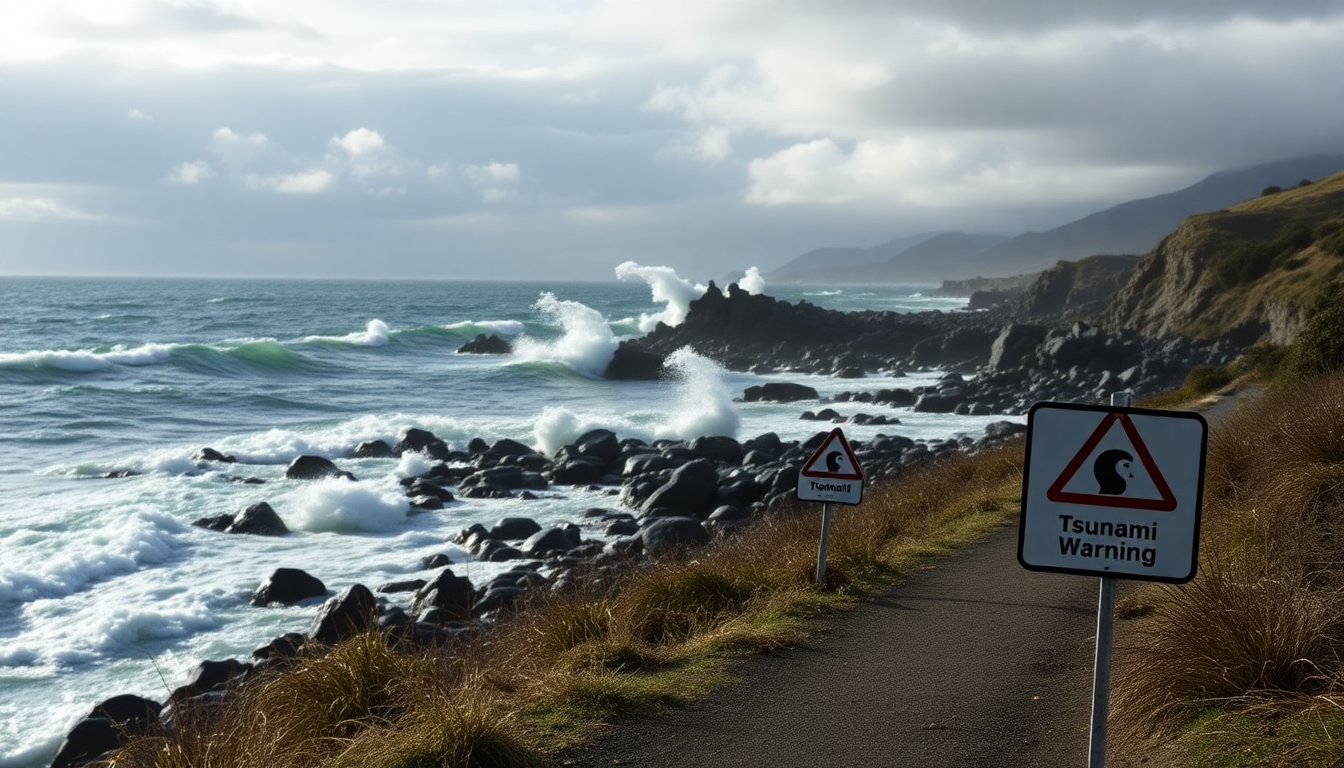
Recent seismic activity off the eastern coast of Russia has raised a tsunami advisory for much of the British Columbia coastline. But what does this mean for residents? According to the U.S. National Tsunami Warning Center, a tsunami advisory indicates that a tsunami is either imminent, expected, or already occurring, which could lead to strong currents or waves in coastal areas. While significant flooding isn’t expected, the threat can linger for hours, making it crucial for locals to stay alert.
The Earthquake and Its Ripple Effects
On Tuesday, just before 4:30 p.m. PST, an earthquake registered a powerful 8.8 on the Richter scale, striking about 136 kilometers southeast of Russia’s Kamchatka Peninsula. This seismic event has sparked concerns not just locally but across the Pacific, impacting various coastal regions, including British Columbia. It’s a stark reminder of how interconnected we are when it comes to natural disasters.
Fortunately, areas like the Strait of Georgia, the Gulf Islands, Greater Vancouver, and the Johnstone Strait have been reported as safe from the tsunami advisory. Still, residents should keep themselves updated and heed any guidance from local authorities. After all, being informed is the first step to staying safe.
Global Reactions to the Tsunami Advisory
In the wake of the earthquake, Japan’s meteorological agency has issued a tsunami alert for its Pacific coast, warning that waves could reach heights of up to three meters. Additionally, Hawaii has received a tsunami warning, indicating potential damage across all its islands. These alerts highlight just how connected coastal regions are when facing threats from Mother Nature.
A tsunami watch serves as an early warning system, letting folks know that their area may soon be affected. If you live in a potentially impacted zone, being proactive is key. Residents are urged to evacuate beaches and harbors and stay tuned for updates from local authorities. Are you ready to act if needed?
Staying Safe: Precautions and Recommendations
Given the advisory, it’s essential for those in the affected areas to act quickly. Staying away from the ocean and avoiding beaches and harbors can significantly lower your risk. Authorities also stress minimizing phone usage to keep communication lines open for emergencies. It’s all about keeping safe while staying connected.
For boat owners, moving vessels to deeper waters—ideally at least 180 feet, if conditions allow—can help protect property and ensure safety during a potential tsunami. It’s a small but crucial step in safeguarding your assets.
As the situation evolves, residents are encouraged to remain informed and prepared for further updates about the tsunami advisory. The community’s safety hinges on timely information and appropriate action in response to these alerts. So, how will you stay informed and ready?


