
Table of Contents
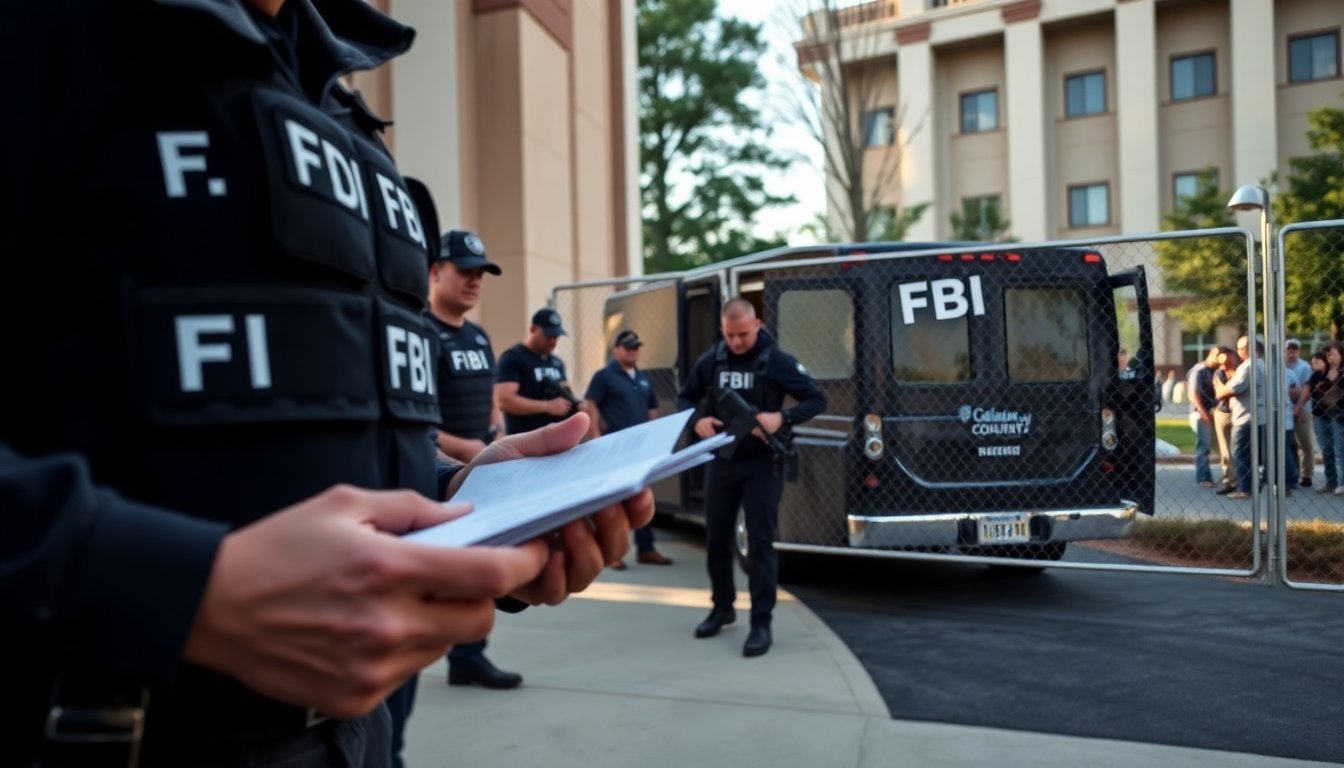
The political landscape remains tumultuous as Tulsi Gabbard, the director of national intelligence, found herself at the center of controversy following her appearance during an FBI raid in Fulton County, Georgia. This operation focused on retrieving ballots related to the 2026 presidential election, an event that has been mired in conspiracy theories perpetuated by former President Donald Trump. Gabbard’s decision to attend the raid has raised questions about her role and intentions, particularly in light of her recent sidelining within the administration.
Gabbard’s Unprecedented Move
Typically, the director of national intelligence is tasked with overseeing the nation’s foreign intelligence operations, focusing on threats from outside forces. However, Gabbard’s participation in a domestic law enforcement action marks a significant deviation from the norm. This involvement was pointed out by former national security officials who underscored that such actions are typically outside the purview of her responsibilities. As one official noted, her presence at the raid seemed more like an attempt to regain relevance within an administration that has shown signs of distancing itself from her.
Political Implications
The implications of Gabbard’s actions extend beyond her personal career trajectory. Her visit coincided with heightened scrutiny over the Trump administration’s ongoing claims regarding election integrity. These claims have been repeatedly debunked in various legal settings, yet they persist in certain political circles. Gabbard’s involvement has led to further speculation about her motives, particularly whether she was attempting to bolster Trump’s narrative regarding alleged election fraud. This has prompted serious backlash from lawmakers who emphasize the need for intelligence agencies to maintain a nonpartisan stance.
Criticism from Lawmakers
In a pointed response, prominent Democratic figures such as Senator Mark Warner and Representative Jim Himes have called for Gabbard to clarify her actions. They expressed concern in a letter, stating that her participation in a domestic law enforcement operation could undermine the integrity of the intelligence community. They argued that Gabbard’s role should primarily focus on foreign threats and that her actions risk damaging public trust in these vital institutions.
Legal and Ethical Concerns
The legal ramifications of Gabbard’s involvement in the raid are also under discussion. Critics argue that her presence could potentially complicate future legal proceedings related to the evidence collected during the operation. The director’s actions could be interpreted as blurring the lines between intelligence work and political maneuvering, which raises ethical questions about the function of the intelligence community.
Gabbard’s Response and Future Actions
In light of the criticism, Gabbard has defended her actions by asserting that her role in election security is vital. A senior official from the administration stated that her presence was intended to observe the FBI’s search warrant execution, claiming it was crucial for safeguarding election integrity against foreign interference. However, this justification has not quelled the backlash from lawmakers who insist that her responsibilities lie elsewhere.
As the political landscape continues to evolve, Gabbard’s position within the administration seems increasingly precarious. Her previous dismantling of a center aimed at countering foreign interference in elections has also come under fire, raising questions about her commitment to the very principles she now claims to uphold. This situation highlights the complex interplay of politics, intelligence, and public trust, making it a critical issue to watch in the coming months.
The fallout from this incident underscores a growing need for clarity regarding the boundaries of intelligence roles in domestic affairs. As Gabbard navigates this tumultuous political environment, the eyes of both supporters and critics remain fixed on her next steps.