
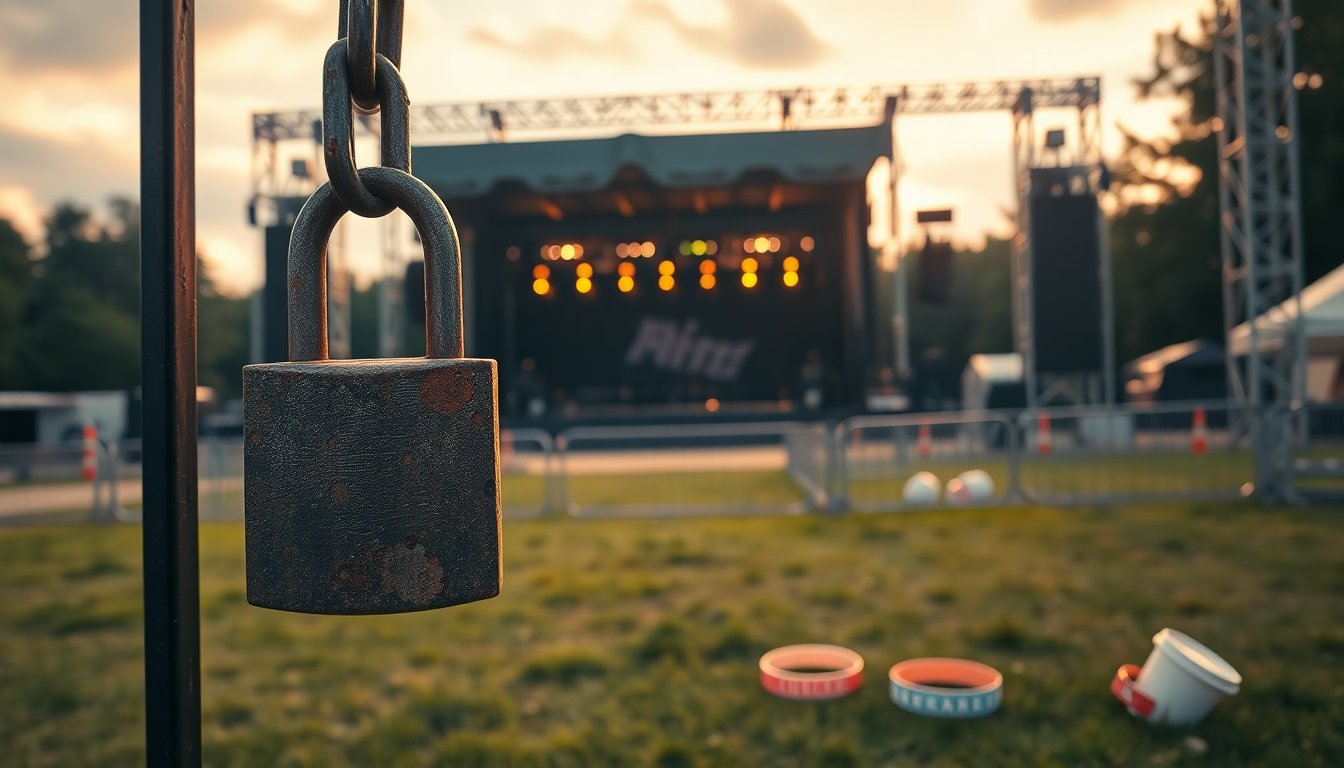
Plans for a major London music weekend were upended after the UK government refused to admit Kanye West, the artist now known as Ye, to the country. The decision came amid intense criticism of the musician’s past antisemitic statements and actions, including the release of a controversial song titled “Heil Hitler” and the sale of imagery associated with Nazism. Promoters had billed him as the headliner for the three-night Wireless Festival at Finsbury Park, scheduled for July 10-12, a run expected to draw roughly 150,000 attendees. After the travel ban, festival organizers confirmed the entire event would not go ahead and said ticketholders would receive refunds.
The UK government turned down Ye’s application for an electronic travel authorization, concluding his arrival would not be “conducive to the public good“. That phrasing echoed official grounds used in other visa refusals and reflected growing pressure from politicians and community organizations. Prime Minister Keir Starmer publicly condemned the booking and praised the decision, saying the government stands with the Jewish community in opposing antisemitism. Advocates for British Jews and security groups welcomed the ban, while others raised questions about pathways for accountability and whether cultural platforms should be used for rehabilitation.
How the ban developed
The cancellation unfolded after weeks of controversy around the booking. Sponsors including Pepsi, Rockstar Energy and Diageo withdrew support soon after Ye was announced as the headliner, signaling commercial and reputational risks for the festival. Organizers from Festival Republic initially defended the gig and asked for public forgiveness, but mounting political criticism and the government’s intervention made the event untenable. Authorities cited Ye’s history of incendiary comments and imagery — actions that had previously led to visa cancellations elsewhere — as central to the refusal to allow him into the UK.
Responses from key stakeholders
Reactions varied across the public and private sectors. The Board of Deputies of British Jews said it might engage with Ye if he demonstrated genuine remorse and prioritized private dialogue before any public stage. The Community Security Trust, focused on Jewish safety, supported the government’s move and emphasized that cultural institutions should not normalize anti-Jewish hatred. Festival Republic acknowledged the pain caused, noting that consultations took place when the booking was made but that circumstances changed as more information and reactions accumulated.
Artist statements and offers
Ye issued a statement expressing willingness to meet members of the UK Jewish community and to show change through actions rather than words alone. He framed his behavior in part as connected to mental-health struggles, having previously published a letter in a national newspaper in which he described a period of mania tied to a bipolar diagnosis. While some community leaders said they might consider meeting him under strict conditions, many insisted that any reconciliation process should precede public performances on major stages.
Organizers and sponsor dynamics
Festival Republic had initially urged audiences to extend forgiveness, arguing the booking was musical rather than political; nevertheless, sponsor pullouts undercut the festival’s ability to proceed. The combination of commercial withdrawal, political condemnation, and the government’s visa determination created a situation organizers described as impossible to salvage. With refunds promised, the logistical and financial fallout will likely affect not just this festival but also how other events approach controversial headliners in future seasons.
Broader implications for live events and accountability
The episode raises broader questions about when and how public figures should be barred from cultural platforms. Some argue that denying access to a public stage is a necessary measure when statements cross into hate speech; others contend that private restorative processes should come first. For venues and promoters, the case highlights the need for clearer risk assessments surrounding bookings, including reputational, legal and public-safety considerations. For communities harmed by hateful rhetoric, the priority remains tangible remedies and assurances that major events will not normalize discrimination.
What’s next
With the Wireless Festival canceled, attention will shift to potential alternatives for ticket holders, the financial implications for organizers and sponsors, and whether Ye’s offer to engage in dialogue will lead to meaningful steps. The situation also underscores the ongoing tension between artistic freedom, public responsibility and the role of governments and private companies in drawing lines when speech intersects with harm.


