
Table of Contents
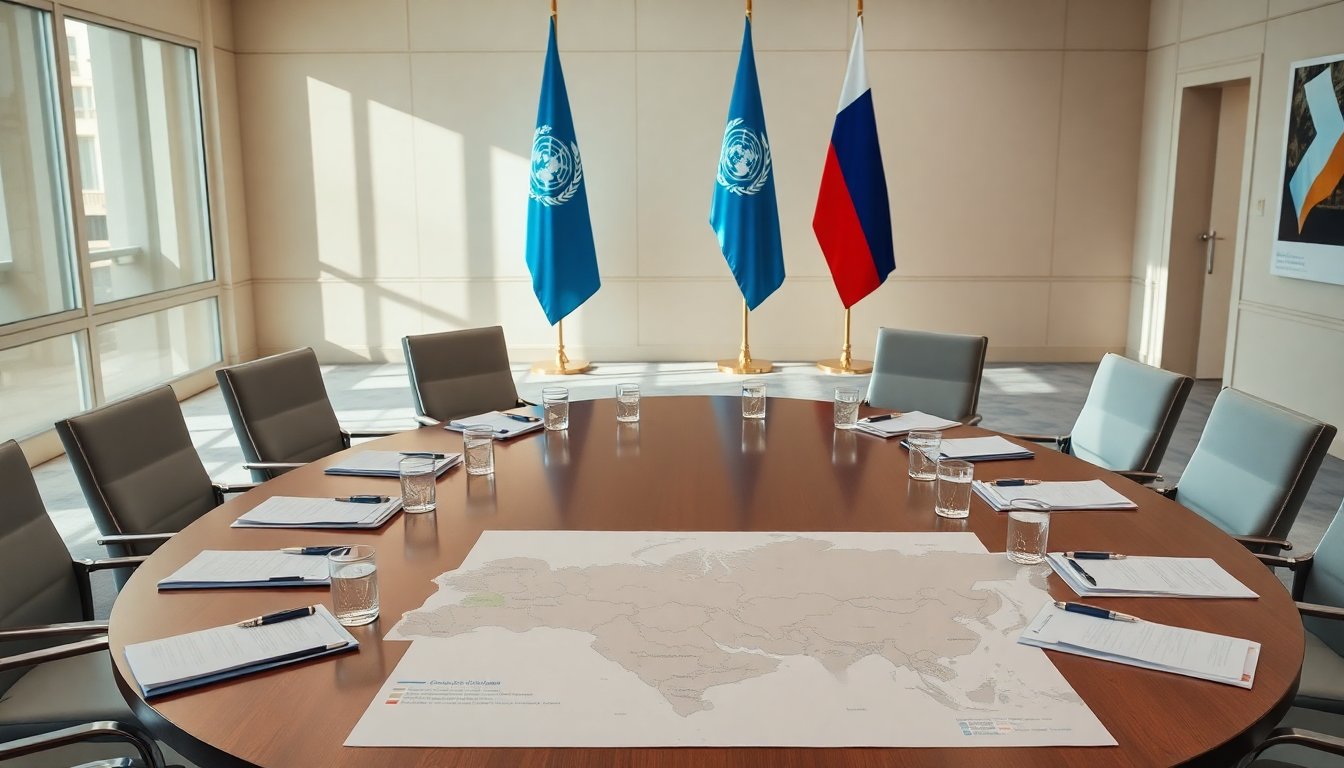
The latest round of peace negotiations between Ukraine and Russia, facilitated by the United States, concluded without a tangible agreement. Held in Abu Dhabi, the discussions lasted two days and underscored the ongoing complexities of a conflict that has persisted for nearly four years. Despite the lack of progress, both nations indicated a willingness to continue dialogue, suggesting that the pursuit of peace remains an important focus.
As these diplomatic efforts unfolded, the humanitarian situation in Ukraine deteriorated. Recent airstrikes by Russian forces left over a million Ukrainians without power amidst the harsh winter, amplifying the urgency for a resolution. The ongoing conflict, characterized by significant military engagements and civilian suffering, casts a shadow over the negotiations.
Key players and objectives in the negotiations
The trilateral meeting featured high-ranking officials from Ukraine, Russia, and the United States. Prominent Ukrainian representatives included Kyrylo Budanov, head of the presidential office, and Rustem Umerov, secretary of the Security Council. The Russian delegation was led by Kirill Dmitriev, a key Kremlin manager, and Igor Kostyukov, head of military intelligence.
Significant territorial considerations
Discussions primarily focused on territorial disputes, particularly in the Donbass region, where Russia aims to secure control. Reports suggest that Ukraine may have to concede some territory as part of a potential peace agreement, specifically in contested areas. In return, Ukraine is anticipated to receive security guarantees from the United States, along with a substantial financial aid package designed to support post-conflict recovery.
Ukrainian President Volodymyr Zelensky has expressed significant concerns about the challenges of conceding territory that has been fiercely defended. He highlighted the necessity of a balanced approach in negotiations, stating that both sides must be willing to compromise. The ongoing conflict has resulted in a complex situation where issues of territorial integrity clash with security assurances.
Global implications and responses
International reactions to the peace talks are under close scrutiny, particularly given the broader geopolitical context. Zelensky’s recent comments at the Davos conference spotlighted Europe’s perceived inaction regarding Russian aggression. He criticized European leaders for relying on the United States to take decisive action, urging for a stronger European response to the challenges posed by Russia.
Concerns over NATO’s involvement
The discussions also addressed Ukraine’s aspirations for NATO membership. Russia has strongly opposed any NATO presence in Ukraine, perceiving it as a direct threat to its security. This issue complicates the situation further, as Ukraine aims to align itself with Western defense frameworks while facing Russian resistance.
In the context of these negotiations, the potential for future cooperation between the United States and Europe has come under scrutiny. Ongoing tensions regarding trade agreements, particularly following recent threats from the U.S. administration concerning tariffs on European goods, add to the complexity of the diplomatic landscape. Achieving a united front against Russian aggression depends on resolving these trade disputes while also addressing pressing security concerns.
Looking ahead to future discussions
As the parties prepare for further meetings, the emphasis is on establishing a framework that can secure lasting peace. The upcoming talks are expected to delve into the delicate balance between territorial integrity and the need for compromise. Both Ukraine and Russia have expressed openness to ongoing dialogue, sustaining hopes for a potential resolution to this protracted conflict.
Although the immediate outcomes of the Abu Dhabi talks may not have met expectations, the commitment to continued discussions sets the stage for future negotiations. The international community will closely monitor whether these dialogues can develop into a more substantial peace framework that addresses the underlying issues fueling the conflict.