
Table of Contents
The ongoing conflict between Ukraine and Russia has escalated significantly as Ukraine intensifies its military operations aimed at undermining Russia’s maritime economy. According to official sources, these recent strikes are both a tactical move and a bold statement in the international arena. By targeting vessels essential to Russia’s economic lifeline, Ukraine seeks to weaken its adversary’s foothold in global trade.
However, these operations carry inherent risks. The uncertainty surrounding their effectiveness raises questions about the long-term ramifications for both nations involved. As Ukraine navigates these treacherous waters, the outcome of its strategy remains uncertain.
The facts
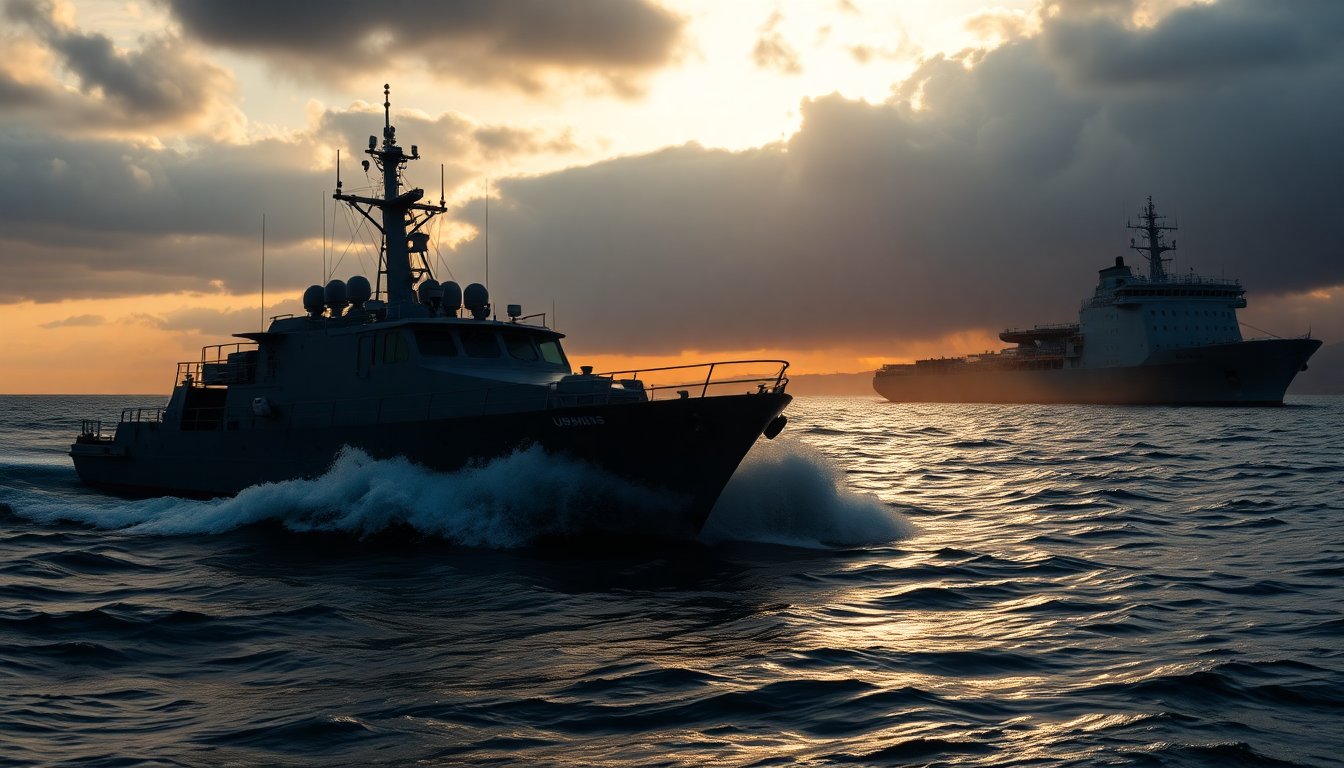
Attacking Russia’s maritime fleet is a calculated strategy that aims to disrupt the flow of goods critical to its economy. The shipping industry is vital for Russia, facilitating trade in essential resources such as oil and gas. By targeting this sector, Ukraine hopes to create substantial economic pressure on Russia, potentially influencing its military strategy.
Understanding the maritime economy
The maritime economy plays a pivotal role in Russia’s overall economic framework. With its vast natural resources, shipping routes serve as the arteries through which Russia sustains itself financially. The international waters surrounding Ukraine are not merely geographical spaces; they are battlegrounds where the future of economic stability is contested.
In this context, Ukraine’s strikes on Russia’s shipping vessels are akin to striking at the heart of its economic infrastructure. By crippling Russia’s ability to transport goods, Ukraine aims to diminish its adversary’s economic power, thus altering the dynamics of the conflict.
The consequences
While the intention behind Ukraine’s strikes is to deliver a decisive blow to Russia’s economy, the operations are fraught with risks. Engaging in military actions in international waters can provoke retaliatory measures from Russia, potentially escalating the conflict further.
The unpredictability of conflict outcomes
The outcomes of these military strikes are unpredictable. There is a fine line between achieving strategic objectives and igniting a wider conflict. Ukraine must weigh the potential benefits of its operations against the risks of provoking an aggressive response from Russia.
Moreover, the international community is closely monitoring these developments. The potential for broader geopolitical implications looms large. As Ukraine takes decisive action, the response from global powers could shift the balance of the conflict in unforeseen ways.
The future of Ukraine’s naval strategy
Looking ahead, Ukraine’s naval strategy will likely evolve as the conflict progresses. As it learns from the outcomes of these initial strikes, adjustments may be necessary to navigate the complex landscape of maritime warfare. The goal will remain to disrupt Russia’s economic capabilities while ensuring the safety and security of its own maritime interests.
The news broke at a critical juncture, illustrating a strategic shift in the ongoing conflict. By targeting critical shipping routes, Ukraine aims to destabilize Russia’s economy, although the risks involved raise questions about the long-term effectiveness of this approach. As the situation unfolds, both nations will have to adapt to the rapidly changing circumstances, and the world will watch closely to see how this maritime battle influences the broader conflict.