
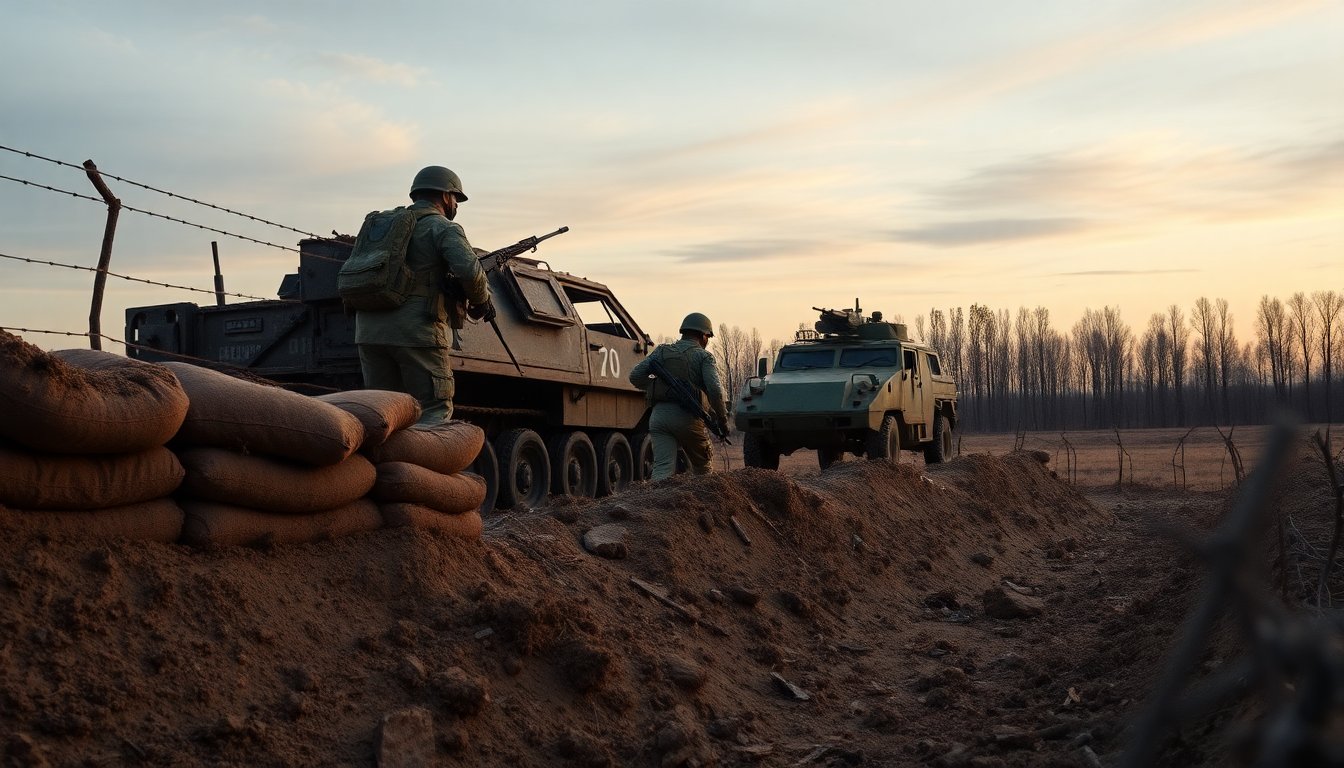
We reviewed a body of open-source material that paints a clearer picture of recent battlefield shifts near Zaporizhzhia and across the Donbas. The findings draw on geolocated photos and videos, satellite imagery, eyewitness posts, and other publicly available evidence. The latest updates on the map and locations carry the timestamp February 28, 2026, and generally reflect information at least 48 hours old. This reconstruction is descriptive — it documents movements and engagements without taking sides.
What the evidence shows
– Where possible, imagery and video were geolocated and checked against upload metadata. Multiple independent uploads show consistent metadata patterns, and satellite imagery backs up reports of vehicle traffic and freshly disturbed ground along the Haichur and Vovcha corridors.
– Eyewitness clips posted from nearby villages match terrain features visible in commercial satellite feeds, strengthening the chain of verification.
– Analysts identified road interdictions and newly established forward positions in at least three sectors, though not all material was complete: some clips lacked original metadata, and several locations were partially obscured by cloud or smoke.
How the events unfolded
Piecing together timestamps and cross-source corroboration produced a plausible sequence of tactical moves. Early probing attacks along the Haichur River appear in uploads dated two to three days before the February 28 timestamp. Those probes were followed by intensified pressure on crossing points and the construction of fortified positions on the opposite bank.
At the same time, activity intensified on the Vovcha River’s northern flank. Small-unit assaults and combined-arms probing occurred in close succession, suggesting an effort to test and weaken defensive lines. Separate movements aimed to outflank Ukrainian positions toward Dobropillia, Kostiantynivka, and the Sloviansk–Kramatorsk complex, all within the same period.
Taken together, the pattern points to limited territorial gains followed by consolidation rather than swift breakthroughs. In short: probing and pressure, local advances, and then fortification — a methodical approach rather than rapid, large-scale offensives.