
Table of Contents
In a significant shift in Ukraine’s political landscape, President Volodymyr Zelensky has appointed Kyrylo Budanov, the former chief of military intelligence, as his new chief of staff. This decision comes at a critical juncture in the ongoing conflict with Russia, as the nation seeks to navigate a path toward peace while still grappling with the ramifications of warfare.
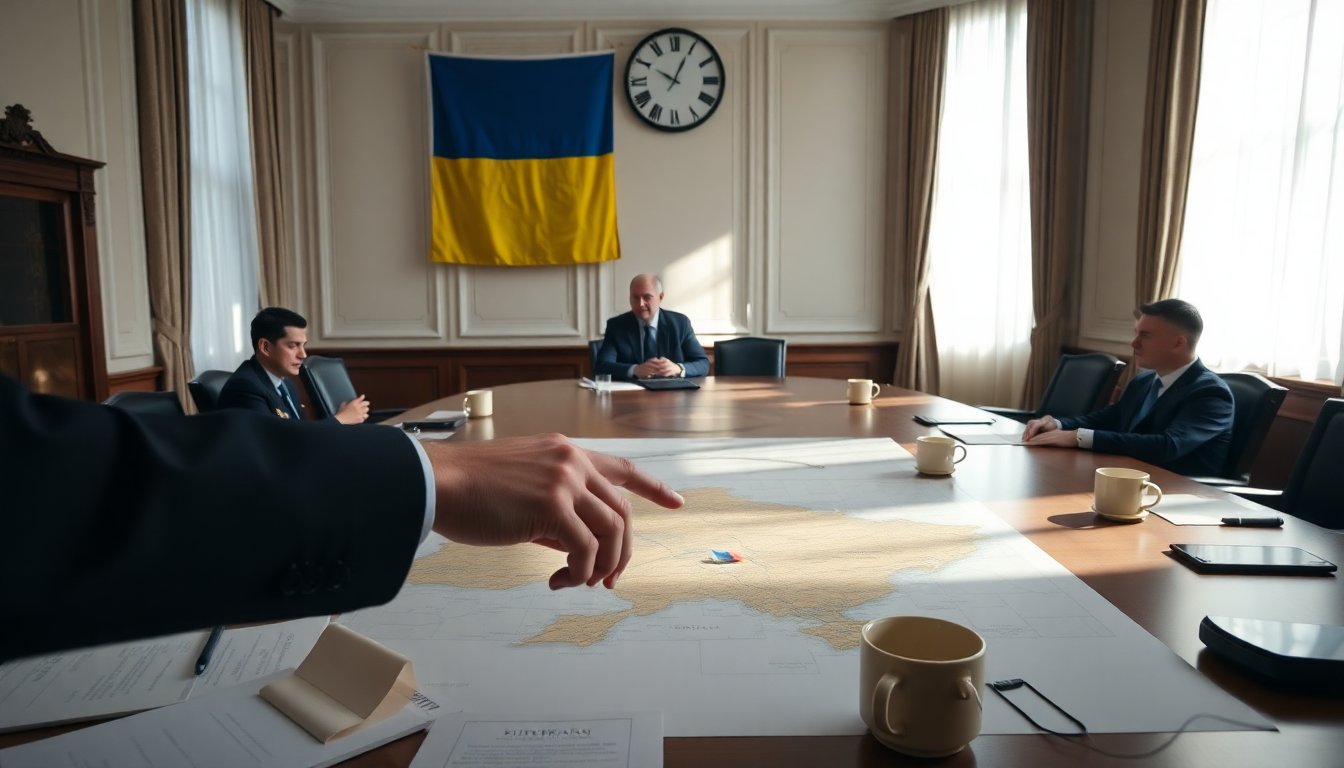
Budanov, who has gained notoriety for his strategic military operations against Russian forces, will now play a crucial role in diplomatic efforts aimed at ending hostilities. His appointment symbolizes a broader strategy by Zelensky to prioritize security and navigate complex peace negotiations during this turbulent period.
The new landscape of Ukraine’s leadership
Recent changes in Ukraine’s government reflect the need for a robust response to the ongoing war, as well as a concerted effort to engage in diplomatic discussions. Zelensky’s decision to shift leadership roles within his administration demonstrates a commitment to addressing security challenges while fostering an environment conducive to peace.
Alongside Budanov, Mikhailo Fedorov has been named the new Minister of Defense. Fedorov, previously the Minister for Digital Transformation, brings a fresh perspective to the defense sector, focusing on modernizing the military’s approach through technology and innovation. His appointment marks a significant shift from the previous minister, Denys Shmygal, who held the position for only six months.
Strategic appointments amidst ongoing conflict
Budanov’s rise to chief of staff follows a pattern of strategic appointments aimed at reinforcing Ukraine’s military and diplomatic capabilities. His background in military intelligence positions him uniquely to understand the intricacies of both warfare and negotiation. As the conflict with Russia drags on, his experience could prove invaluable in navigating the complexities of peace talks.
In recent months, the war has seen a staggering number of casualties, with estimates suggesting that over 400,000 Russian soldiers have been either killed or wounded. In stark contrast, Ukraine’s losses amount to only a fraction of that. This stark disparity highlights the urgency for a resolution, as President Putin remains resistant to entering into serious negotiations.
Budanov’s potential impact on peace negotiations
As Budanov transitions into his new role, observers are keen to see how his military background will influence the negotiations with Russia. While previously known for his aggressive military tactics, he now faces the challenge of fostering a peaceful dialogue. His experience could bridge the gap between the two nations, as he possesses insights into Russia’s military strategies and objectives.
The appointment comes at a time when the Ukrainian government is under pressure to show progress toward peace. The international community is closely watching, with many stakeholders hoping that Budanov’s leadership will help facilitate a breakthrough in talks.
Future of Ukraine’s political climate
With the imposition of martial law in Ukraine due to the ongoing invasion, elections have been postponed, raising questions about the legitimacy of the current administration. Despite these challenges, Zelensky has expressed his willingness to hold elections once security conditions permit. Budanov’s role in shaping both military and diplomatic strategies will be crucial for the future stability of the government.
Moreover, the recent controversies surrounding the previous chief of staff, Andriy Yermak, who resigned amid corruption allegations, underscore the critical need for integrity and transparency in Ukraine’s leadership. Budanov’s reputation as a military leader may lend a sense of credibility and stability to his new role, especially as he navigates the complexities of both governance and diplomacy.
In conclusion, Kyrylo Budanov’s appointment as chief of staff represents a significant turning point in Ukraine’s approach to the ongoing conflict. His ability to transition from a military mindset to one focused on peace negotiations may hold the key to resolving the crisis and paving the way for a more stable future.