
Table of Contents
As the festive season approaches, families begin planning their holiday feasts. A beautifully roasted prime rib can be a centerpiece of celebration. This guide presents a delectable recipe for a spice-crusted prime rib that is sure to impress your guests.
Choosing the right cut of meat
Selecting the perfect prime rib starts with deciding between prime beef and choice beef. While both options offer rich flavors and tenderness, prime beef typically features more marbling, enhancing the roast’s juiciness. Chef David Burke highlights the value of detaching the ribs for even cooking and easier carving, making it simpler to prepare at home.
Creating a flavorful spice rub
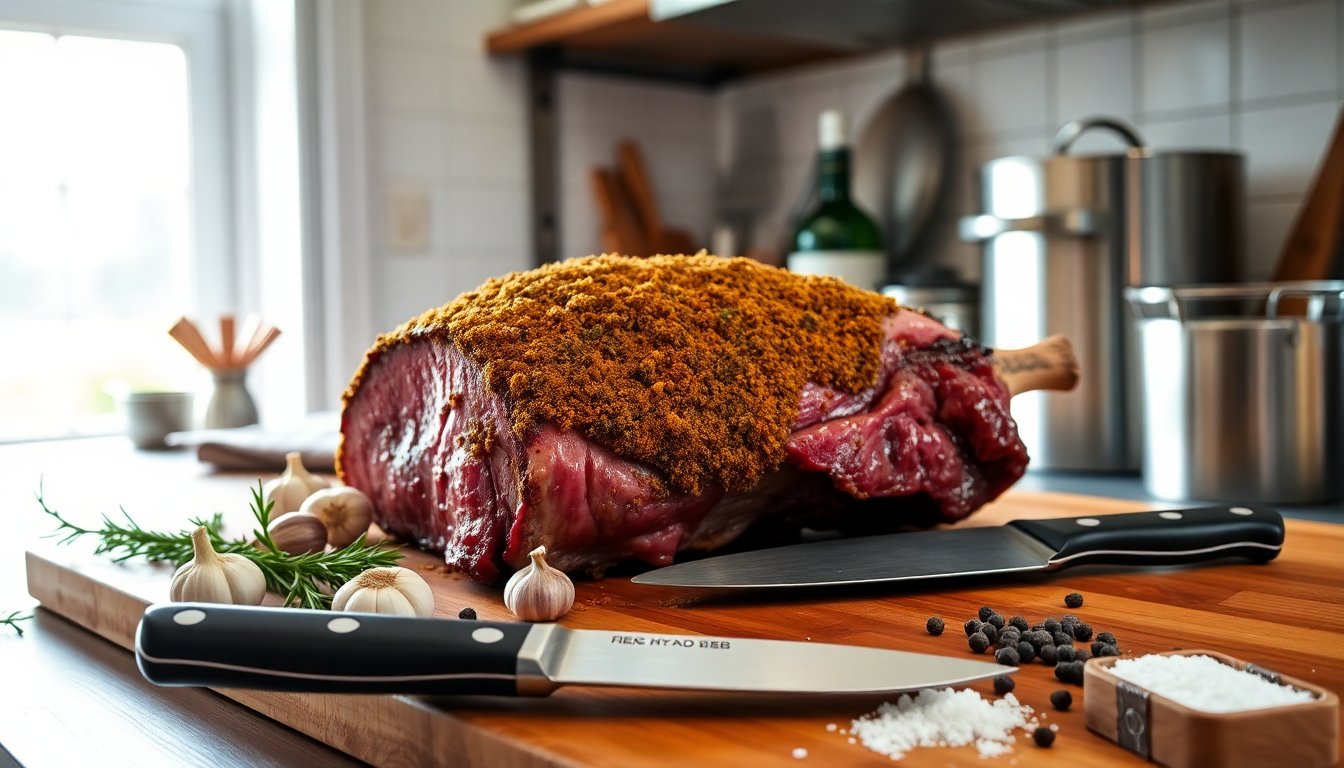
The secret to a delicious crust is a well-crafted spice rub. This recipe features a robust combination of garlic powder, onion powder, coarse salt, black pepper, and a touch of cayenne pepper. Chef Burke recommends applying the spices generously to the surface of the roast. While some will inevitably fall off during cooking, this method ensures the exterior is bursting with flavor, allowing the interior to stay juicy and tender.
Applying the spice mix
When preparing the roast, use caution with the cayenne pepper, as it can add considerable heat. Burke’s method is simple: coat the entire surface generously with the spice mix, making sure every inch is covered. This technique not only enhances the meat’s flavor but also creates an attractive crust that looks great when served.
Roasting for perfection
Once your prime rib is seasoned, the next step is roasting it to perfection. Instead of placing vegetables underneath the roast from the start, culinary expert Burke suggests adding mirepoix—a mix of onions, carrots, and celery—midway through the cooking process. This method prevents the vegetables from becoming overly soft while allowing them to serve as a delightful side dish.
Cooking time and temperatures
The prime rib should be roasted at a consistent temperature until it reaches an internal temperature of 120 degrees Fahrenheit. Depending on the size of the roast, this could take approximately two to two and a half hours. Burke advises checking the roast periodically and covering it with foil if the spices begin to burn. After cooking, let the meat rest for about 15 minutes before carving to ensure that the juices redistribute.
Preparing the accompanying sauces
No prime rib is complete without a delicious sauce to accompany it. For this recipe, a rich sauce made with shiitake mushrooms, butter, and Madeira wine enhances the dish’s flavor. Sauté the mushrooms until they are tender and aromatic, then deglaze the pan with Madeira to capture all the flavorful bits. Stir in flour and boiling chicken stock to create a thick, savory sauce that beautifully complements the roast.
Additionally, a creamy horseradish mousse provides a delightful contrast to the rich flavors of the prime rib. Whisk together crème fraîche, prepared horseradish, and Dijon mustard to create a zesty sauce that adds a fresh kick to each bite. Adjust the seasoning to your taste and keep it chilled until you are ready to serve.
Serving the perfect roast
When the roast comes out of the oven, the enticing aroma will undoubtedly stimulate your guests’ appetites. Carve the prime rib into thick slices and arrange them on a serving platter. Garnish with sautéed vegetables and drizzle with your homemade sauce for added flavor. Present horseradish mousse on the side, allowing guests to customize their plates, which adds an engaging element to the dining experience.
This recipe enables you to confidently serve a festive and flavorful spice-crusted prime rib that is sure to impress family and friends. It’s time to celebrate!