
Table of Contents
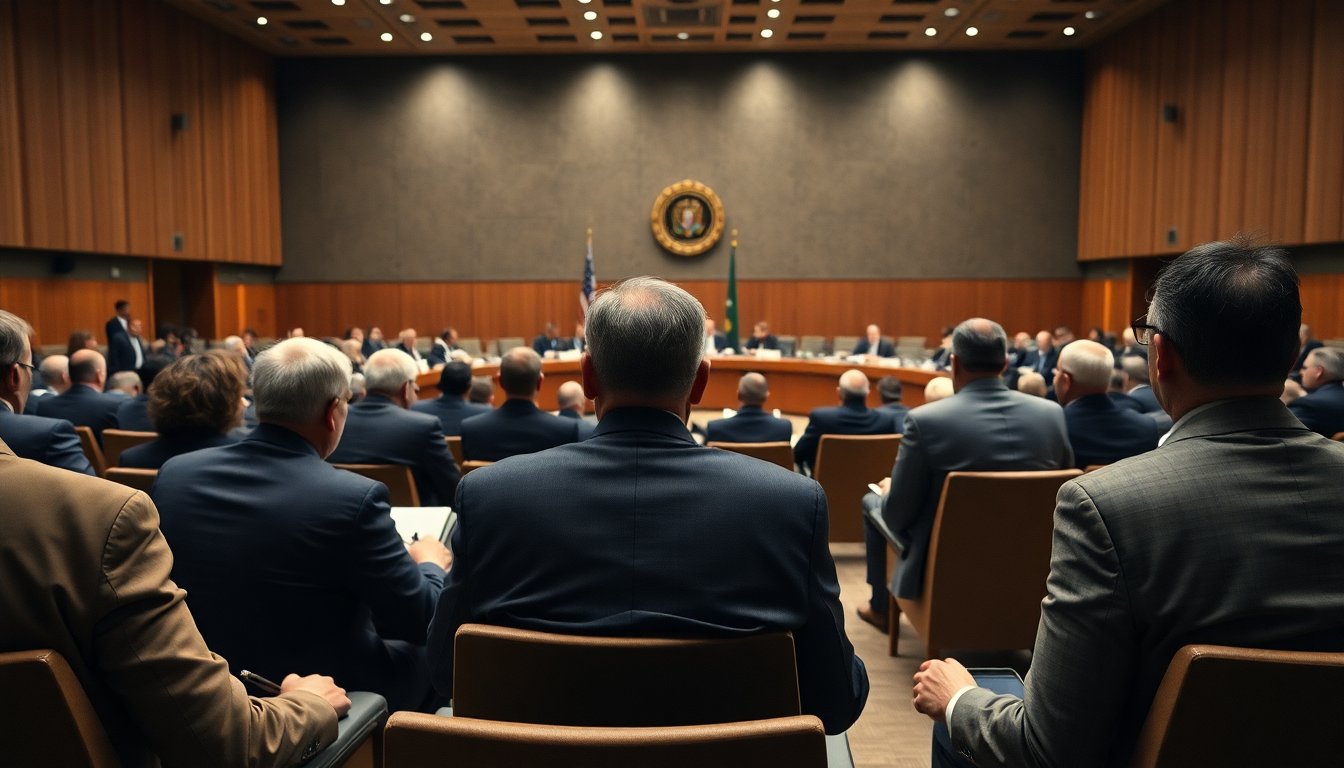
On 1 Mar 2026 and during a high‑profile emergency session, senior United Nations officials and diplomats confronted the fallout from recent U.S.-Israeli airstrikes on facilities inside Iran. The meeting, convened amid urgent concern over regional escalation, brought forward stark legal claims, heated rhetoric and competing narratives about the necessity and legality of the attacks.
The U.N. secretary‑general and member state representatives emphasized the immediate need to prevent a wider confrontation, while Iran’s U.N. envoy denounced the strikes as a grave violation of international norms. These exchanges set the stage for a broader debate about sovereignty, proportionality and what constitutes lawful military action in the modern era.
U.N. leadership calls for de‑escalation and renewed diplomacy
Secretary‑General António Guterres told the Security Council that everything possible must be done to halt further escalation and to return parties to negotiation. He warned that failure to do so could lead to a “potential wider conflict with grave consequences for civilians and regional stability,” underscoring that the risk extends beyond immediate combatants to the global community.
Guterres also said he viewed the strikes through the prism of international legal obligations, asserting that the actions raised questions about compliance with the U.N. Charter and customary international law. His intervention framed the crisis as one where diplomacy must supplant additional military measures.
Iran’s accusations and the question of civilian harm
Iran’s ambassador to the U.N, Amir‑Saeid Iravani, addressed the council at length, charging that the airstrikes had caused hundreds of civilian deaths and injuries and describing those outcomes as tantamount to a war crime. He urged the council to take immediate steps to prevent further aggression and to reject the idea that a powerful state may unilaterally dictate another country’s political trajectory by force.
In his remarks, Iravani framed the attacks as not only harmful in human terms but also illegal under international standards governing the use of force and the protection of noncombatants. He repeated Tehran’s demand for decisive multilateral action through established U.N. mechanisms.
Claims and counterclaims from capitals
The U.S. ambassador to the U.N, Mike Waltz, defended the strikes as lawful responses to an existential threat, stressing a policy stance that Tehran must not obtain nuclear weapons and that preemptive or preventive action can be justified in that context. Israel’s envoy similarly argued the strikes were necessary to halt an imminent danger to its people.
By contrast, Russia and several other council members condemned the attacks and urged an immediate cessation of aggressive actions, while China voiced concern over the rapid deterioration of regional stability and called for a return to diplomacy. A cluster of European leaders urged renewed talks between the U.S. and Iran focused on nuclear issues tied to the accord architecture, noting that negotiation remains the only viable long‑term solution.
Military balance and regional risk
Analysts and military officials highlighted the asymmetric nature of any conflict between the U.S. and Iran: while the United States possesses overwhelmingly superior conventional military capabilities, Iran retains a wide array of shorter‑range missiles and proxy relationships that could impose significant costs on U.S. forces and regional partners. Observers warned that strikes on leadership targets add another layer of unpredictability to the crisis.
Iran has previously demonstrated the capacity to strike ships, bases and regional targets, including attempts to disrupt commerce through strategic chokepoints. Officials warned that critical infrastructure and oil transit routes such as the Strait of Hormuz could become flashpoints, with global economic implications if closures or attacks were to occur.
Potential for escalation and paths forward
Delegates at the U.N. session emphasized several options to reduce tension: immediate restraint by all parties, confidence‑building measures, renewed inspections and verification related to Iran’s nuclear program, and the revival of indirect or direct diplomatic talks. Many countries expressed support for using the Security Council and other multilateral forums to broker a de‑escalation framework that protects civilians and respects international law.
The meeting closed with a clear, if cautious, consensus: without urgent political engagement, the risk of a broader confrontation remains real. The U.N. presidency rotation and shifting diplomatic calendars were noted as constraints, but most delegations insisted that process should not delay urgent, practical steps to reduce harm and reopen channels of communication.
Key takeaways
The emergency session reaffirmed several realities: first, that U.S. and Israeli military actions have prompted severe legal and humanitarian concerns; second, that Iran retains means to retaliate in ways that could widen the conflict; and third, that the international community still sees negotiation and multilateral mechanisms as the preferred route to stabilize the situation. As diplomatic efforts are urged, the human cost and legal implications of the strikes remain at the forefront of global attention.