
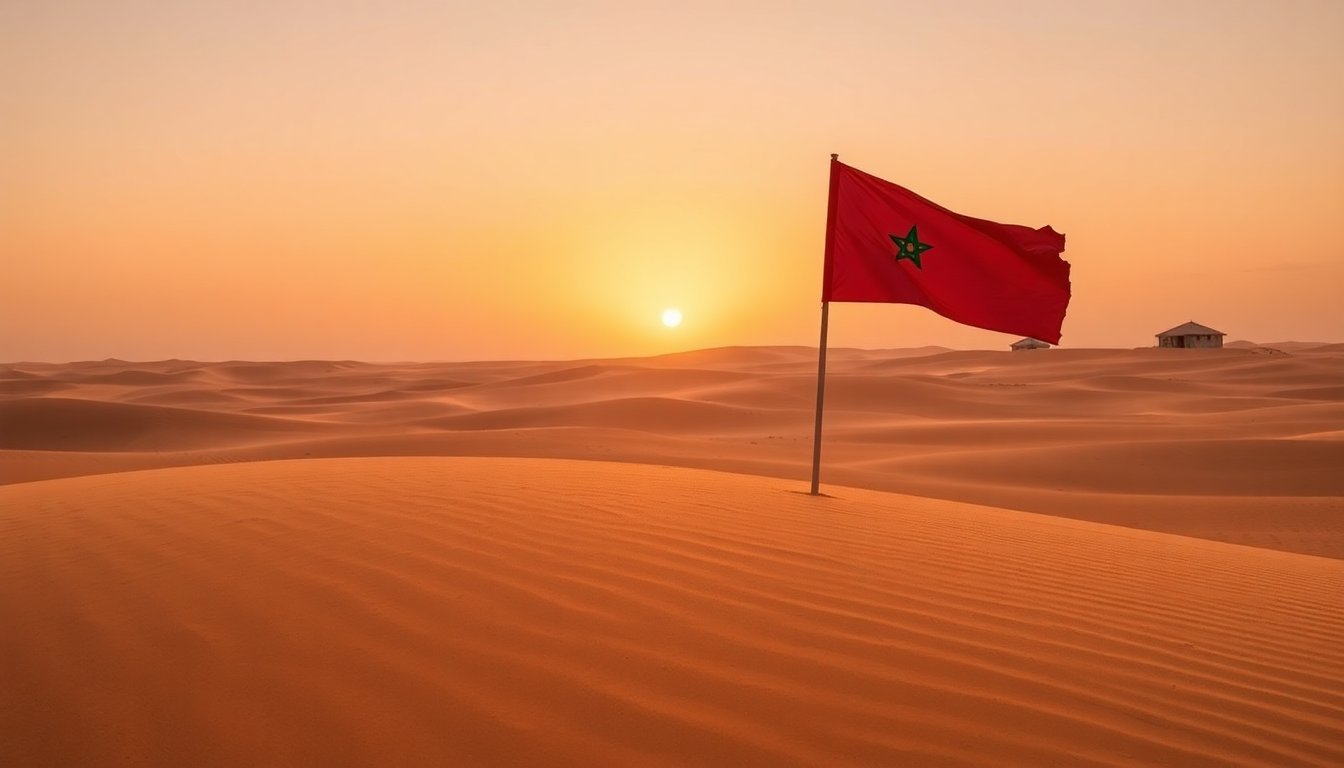
The recent resolution by the United Nations Security Council signifies a crucial development in the ongoing dispute over Western Sahara. This territory has been embroiled in conflict since Morocco’s annexation following Spain’s departure in 1975. Various diplomatic efforts have aimed to resolve its status. The UNSC now endorses a plan that proposes genuine autonomy for the region under Moroccan governance, which many see as a potential avenue to resolve the decades-long feud with the Polisario Front, a group advocating for self-determination for the Sahrawi people.
Understanding the conflict over Western Sahara
Western Sahara, approximately the size of the United Kingdom, is the site of Africa’s longest territorial dispute. Following Spain’s exit, Morocco claimed the land, leading to a struggle involving various regional players, particularly Algeria, which supports the Polisario Front. Despite numerous mediation attempts and peace talks facilitated by international bodies, the conflict persists.
The proposed autonomy plan
The resolution adopted by the UNSC, primarily drafted by the United States, urges all involved parties to engage in negotiations based on Morocco’s autonomy framework initially presented to the UN in 2007. Under this proposal, Morocco would maintain control over defense, foreign affairs, and religious matters, while the Sahrawis would gain legislative, executive, and judicial powers through locally elected representatives. This compromise aims to satisfy both Moroccan interests and the aspirations of the Sahrawi people.
US Ambassador to the UN, Mike Waltz, emphasized the need for constructive dialogue, encouraging all parties to seize the opportunity for peace. He expressed confidence that regional stability could be achieved within the year if serious negotiations commence.
Reactions to the UNSC resolution
The response to the UNSC’s endorsement has been mixed. While eleven of the council’s members voted in favor, notable abstentions came from Russia, China, and Pakistan, with Algeria refraining from voting altogether. Algeria’s UN representative, Amar Bendjama, criticized the resolution, asserting that it disregards the views of the Polisario Front, which must be included in any discussions about Western Sahara’s future.
Moroccan King Mohammed VI welcomed the resolution, describing it as a step toward consolidating Morocco’s claim over the territory. He urged Sahrawi refugees in the Tindouf camps, managed by the Polisario, to support the autonomy initiative. In his address, he expressed pride in Morocco’s efforts to resolve the matter and reiterated a desire for dialogue with Algeria to foster regional cooperation.
The role of international players
Support for Morocco’s sovereignty is growing, particularly from the United States. In July, President Donald Trump reaffirmed his administration’s backing for Moroccan control over Western Sahara, endorsing the autonomy plan as the only viable resolution. Other nations, including France and the United Kingdom, have similarly aligned their positions with Morocco’s stance, reflecting a broader trend among European nations toward recognition of Morocco’s claims.
However, the Polisario Front remains steadfast in its demand for a referendum that includes independence as a choice, complicating the situation further. The Front’s representative, Sidi Omar, stated that they would evaluate the UNSC resolution but emphasized that it does not signify any acceptance of Moroccan sovereignty over the territory.
The future of Western Sahara
The UN has sought to mediate the conflict through the United Nations Mission for the Referendum in Western Sahara (MINURSO), which has been involved since the 1991 ceasefire. The resolution also calls for a strategic review of MINURSO’s mandate to align with the outcome of ongoing negotiations. Despite the challenges, there is cautious optimism that this latest resolution could pave the way for a lasting resolution to the conflict.
The UN Security Council’s endorsement of Morocco’s autonomy plan represents a significant development in the pursuit of peace in Western Sahara. While challenges remain, including differing perspectives on sovereignty and self-determination, the call for renewed dialogue offers a glimmer of hope for the region.


