
Table of Contents
Inflation remains a crucial topic in economic discussions, significantly impacting consumer behavior and overall economic health. As prices continue to rise, consumer purchasing power declines, leading to changes in spending patterns. It is vital to understand these dynamics to analyze market trends and gauge consumer confidence, both of which serve as key indicators of economic stability.
Consumer spending trends during inflationary periods
Inflation significantly influences consumer spending patterns. Market data shows that when inflation rates exceed 3%, consumers tend to reduce discretionary spending. Historical examples, such as the late 1970s and early 1980s, illustrate this trend, with consumer spending on non-essential goods dropping by approximately 15%. This indicates a shift towards prioritizing essential goods and services, such as food and housing, over luxury items.
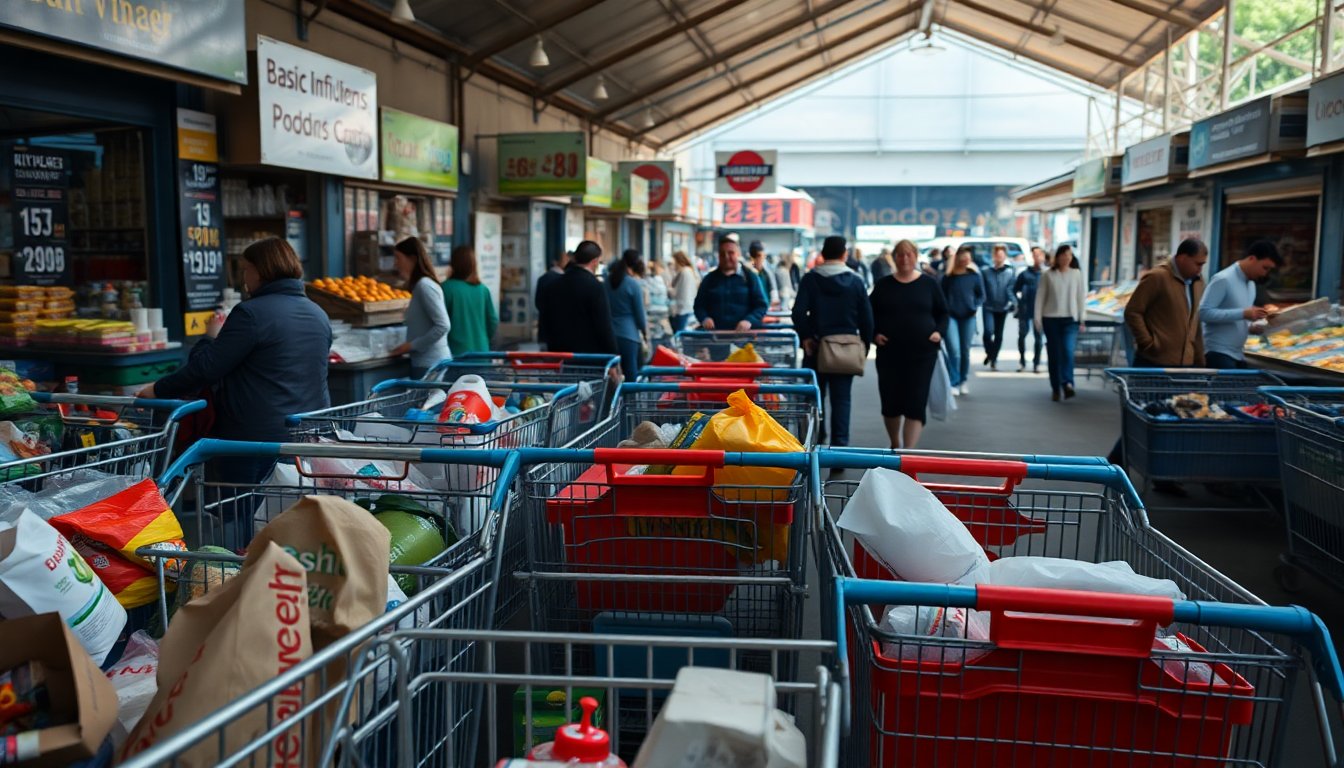
According to quantitative analysis, consumers during inflationary periods are more inclined to seek value through discount stores and generic brands. A survey conducted during a recent inflation spike found that 60% of respondents adjusted their purchasing habits towards budget-friendly alternatives. This behavioral change not only affects individual companies but also reshapes entire market segments, compelling retailers to modify their strategies accordingly.
Quantifying the impact of inflation on consumer confidence
Consumer confidence acts as a key indicator of economic health, and inflation significantly affects this metric. The Consumer Confidence Index (CCI) is a widely recognized measure, showing that when inflation exceeds 4%, the CCI typically falls by an average of 10%. This decrease signals increased uncertainty among consumers about the stability of their financial circumstances.
The influence of inflation on savings behavior is also notable. In times of rising prices, consumers often prioritize saving over spending, which results in a decline in overall consumption. Recent data reveals that savings rates tend to rise substantially during inflationary periods, with household savings increasing by approximately 20% as consumers prepare for possible economic challenges.
Sector-specific effects of inflation
Inflation affects various sectors differently. The food and beverage sector typically passes price increases directly to consumers, reporting an average hike of 5-7% during inflationary periods. In contrast, the luxury goods market tends to show greater resilience, although it still encounters challenges as consumers become more price-sensitive.
The housing market presents a complex relationship with inflation. Rising costs can initially deter potential buyers, but they often lead to increased demand for rental properties. This shift is evidenced by a 10% rise in rental prices during sustained inflation, suggesting a change in consumer priorities.
Future outlook on consumer spending amid inflation
Market data shows a shifting relationship between inflation and consumer spending patterns. Analysts anticipate that as inflation stabilizes, consumer spending may gradually approach pre-inflationary levels. However, long-term effects on consumer behavior are expected to persist. A distinct preference for value-driven purchases and budget-friendly brands is likely to emerge.
According to quantitative analysis, inflation has a profound impact on consumer spending patterns, affecting various sectors significantly. Understanding these changes is essential for businesses and policymakers navigating the complexities of an inflationary economy. The forecast suggests that while inflation may stabilize, the behavioral shifts observed will continue to influence consumer spending for years to come.