
Table of Contents
“`html
The Syrian conflict, which has persisted for over a decade, has left a profound scar on the nation. Central to this turmoil is Bashar al-Assad, whose administration has been marked by severe repression and widespread human rights violations. Recent revelations, including a disturbing collection of photographs, illuminate the grim reality faced by thousands who suffered within the confines of Assad’s prisons.
The ascent of Bashar al-Assad
Bashar al-Assad was born on September 11, 1965, into a family steeped in political legacy. He is the son of Hafez al-Assad, who ruled Syria with an iron fist from 1970 until his death in 2000. Initially, Bashar pursued a career in medicine, becoming an ophthalmologist in London, but his life took a drastic turn after the untimely death of his brother Bassel in 1994. This event prompted his return to Syria, where he began an accelerated rise through military ranks, ultimately leading to his presidency.
Transition to power
Following Hafez’s death, Bashar was thrust into the spotlight as the new leader of Syria. He was elected president on July 10, 2000, following a constitutional amendment that lowered the minimum age for the presidency. His ascent was celebrated as a potential turning point for Syria, with many hoping for reform and modernization. However, these expectations quickly waned as his administration adopted increasingly oppressive measures against dissent.
Repression and human rights abuses
During his rule, Assad’s regime has been characterized by a systemic approach to human rights violations. The initial optimism of the Damascus Spring soon faded as crackdowns on political opposition intensified. Freedom of expression was stifled, and numerous dissidents faced imprisonment or worse under the watchful eye of the Ba’athist secret police.
Reports indicate that over 600,000 people lost their lives in the conflict that erupted following the Arab Spring protests. Pro-Assad forces were responsible for a staggering majority of civilian casualties, with the regime notorious for its use of chemical weapons against its own people. The United Nations even implicated Assad personally in crimes against humanity, leading to international condemnation.
Documented atrocities
The recent release of a trove of photographs depicting the deceased in Assad’s prisons serves as a haunting reminder of his regime’s brutality. These images represent approximately 10,000 lives extinguished, each telling a story of suffering and injustice. The stark reality presented in these photographs is a crucial element in understanding the extent of the atrocities carried out by the al-Assad regime.
The international response
Despite widespread condemnation from the international community, Assad managed to maintain his grip on power with assistance from allies such as Iran and Russia. Military interventions by these nations have been pivotal in bolstering Assad’s regime amidst ongoing conflict. As the war reached a critical juncture, a coalition of Syrian rebels intensified their efforts to oust him, culminating in his eventual flight to Moscow for asylum.
In light of the ongoing atrocities, several nations have sought legal action against Assad. France issued arrest warrants related to war crimes, while a Syrian court also took steps to hold him accountable for the killings of civilians. These developments reflect a growing determination to seek justice for the victims of the Assad regime.
The future of Syria
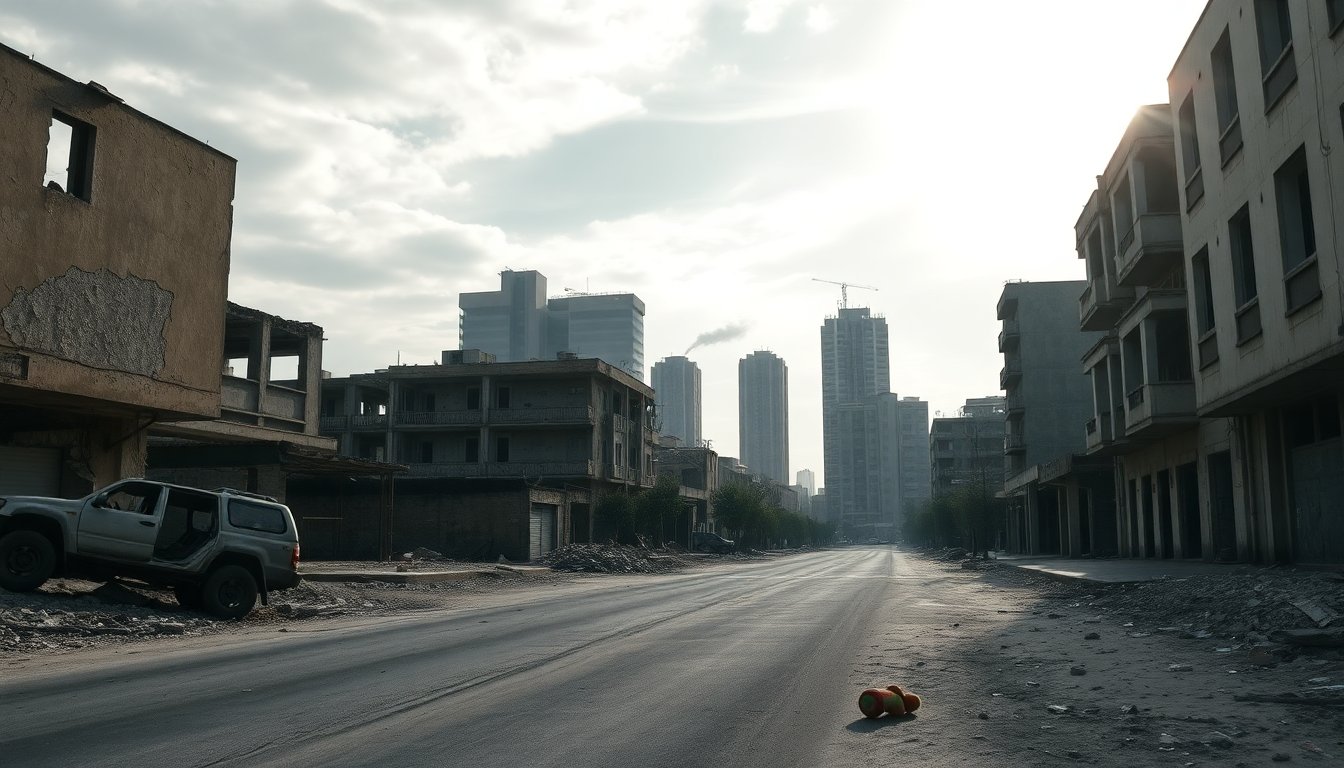
The future of Syria remains precarious. As Assad’s regime has crumbled, the nation grapples with the aftermath of years of brutal conflict. The scars left behind by his rule will take considerable time and effort to heal. Moving forward, rebuilding a war-torn Syria will require not only addressing the humanitarian crises but also confronting the legacy of oppression that has defined Assad’s presidency.
In conclusion, the story of Bashar al-Assad is one of tragedy and resilience. The recent revelations serve as a stark reminder of the human cost of dictatorship and the enduring struggle for justice and peace in Syria. As the international community continues to grapple with this complex situation, the voices of the victims must remain at the forefront of the discourse.
“`