
Table of Contents
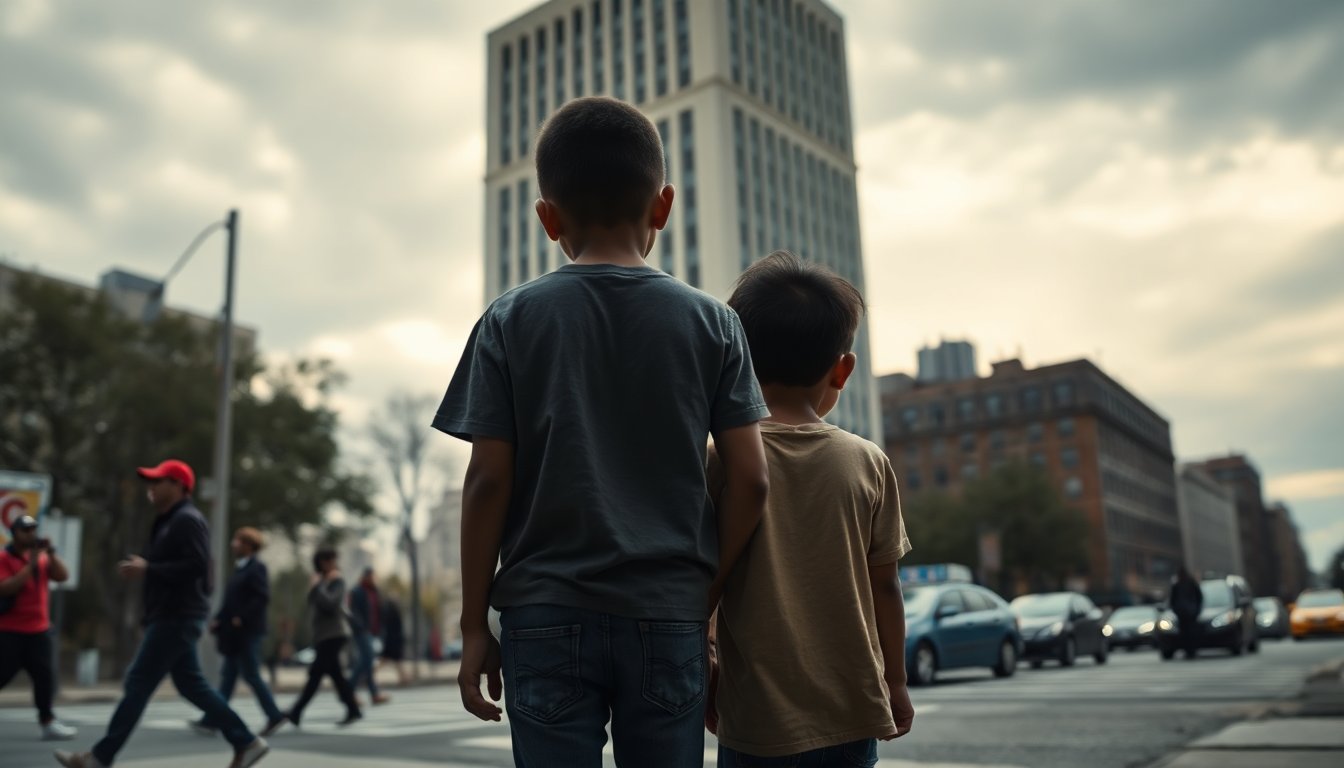
In the heart of New York City, a routine check-in with Immigration and Customs Enforcement (ICE) took a dramatic turn for two young brothers, Jose and Josue Trejo Lopez. After nearly a decade in the United States, navigating the complexities of immigration law, they found themselves caught in a web of deportation despite their clean records. This case sheds light on the broader issue of how U.S. immigration policies impact individuals who have complied with legal requirements yet still face removal.
Having fled the violence of El Salvador as children, the Trejo brothers, along with their mother, sought a safer life in the U.S. Their journey was fraught with challenges, but they adhered to immigration protocols and attended countless check-ins with ICE. Little did they know that their commitment to legality would not protect them from the harsh realities of the deportation machine.
Immigration policies under scrutiny
The Trump Administration claimed it would prioritize the deportation of the most dangerous criminals, a narrative echoed by officials throughout his presidency. However, data reveals a stark contrast to this assertion. As of November, around 73% of individuals detained by ICE had never been convicted of any crime. This statistic raises significant questions about the validity of the administration’s claims regarding public safety and deportation priorities.
During a time when the administration promised to target only the most serious offenders, it became evident that many individuals, including Jose and Josue, were being swept up in a broader crackdown that often overlooked their legal status and personal circumstances. The brothers’ ordeal highlights the inconsistency between the stated goals of immigration enforcement and the reality faced by many immigrants.
The brothers’ journey
Jose and Josue Trejo Lopez arrived in the U.S. in 2016, escaping threats from gangs that plagued their home country. Their mother, Alma Lopez Diaz, believed that America offered a chance for a fresh start. After being taken into custody at the southern border, the family was released while they sought asylum. Over the years, the brothers committed to their schooling and assimilated into American culture, working hard to learn English and participate in their community.
Despite their best efforts, the brothers faced a denial of asylum claims due to the legal interpretation that threats of gang violence do not qualify for asylum status. This left them with a deportation order, which paused during the appeal process. They continued attending their ICE check-ins, believing their compliance would shield them from removal.
The impact of enforcement actions
On a seemingly ordinary March day, as they arrived for their routine appointment, the brothers were unexpectedly detained. Jose recalled hearing the ominous sound of handcuffs clinking, a stark reminder that their adherence to the law did not guarantee their safety. As they were separated and taken into custody, the brothers realized the harsh reality of their situation. They had followed the rules, yet faced deportation to a country they barely remembered, further complicating their already challenging lives.
The treatment endured by the Trejo brothers is not an isolated incident. Reports indicate that many individuals attending mandatory check-ins have been arrested, prompting fears in immigrant communities. Legal experts have voiced concerns over these tactics, suggesting they create an atmosphere of fear among those trying to comply with immigration laws.
Legal avenues and obstacles
In their ongoing pursuit of legal status, the brothers had begun an application for Special Immigrant Juvenile Status, which provides protections for minors who have faced abandonment or abuse. Their legal journey took a significant turn when the Biden administration initially offered protection to those with this status. However, in a sudden policy shift, the Trump administration rescinded these protections, leading to the detention and deportation of individuals like Jose and Josue.
This abrupt change in the law exemplifies the volatile nature of immigration policy in the U.S. and the lack of stability it provides for those seeking a better life. As Jose and Josue faced the prospect of returning to El Salvador, they were left with more questions than answers regarding their future.
Upon their deportation, the brothers arrived in a country that felt foreign to them. They were met with uncertainty and a sense of loss, leaving behind dreams and aspirations that seemed so close yet were now out of reach. Their story serves as a poignant reminder of the complexities and contradictions within the U.S. immigration system.