
Table of Contents
The situation in Gaza is nothing short of heartbreaking. Imagine facing the agonizing choice between starvation and violence every single day. As the region battles ongoing conflict and humanitarian crises, it’s essential to shed light on the daily lives of those who are displaced or directly affected. This analysis dives deep into the complex challenges confronting Gaza evacuees, the socio-economic fallout of the crisis, and the psychological toll on those caught in this harrowing situation.
The Human Toll of Conflict in Gaza
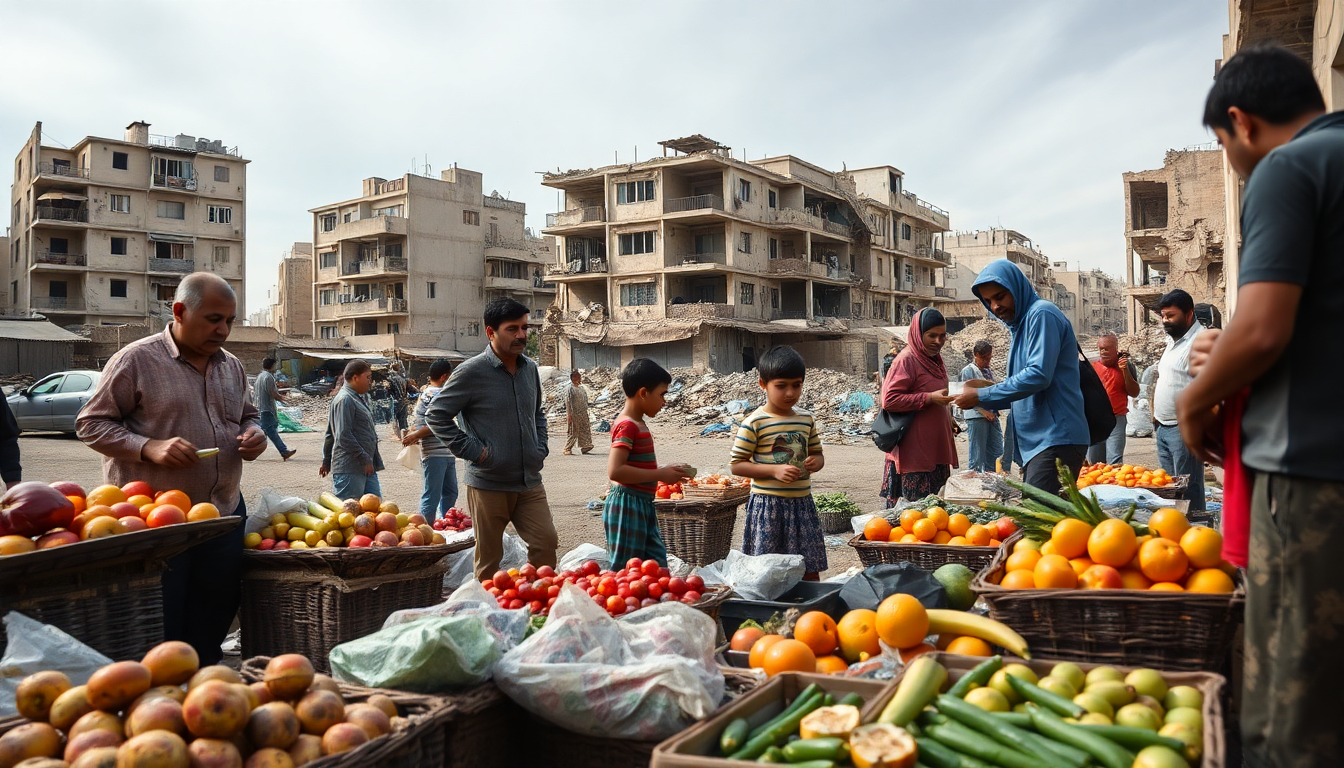
Life in Gaza has morphed into an unrelenting fight for survival, where basic necessities like food, water, and safety are increasingly out of reach. The ongoing conflict has led to widespread displacement, pushing families to evacuate their homes and seek refuge in overcrowded shelters. Recent reports paint a grim picture of the humanitarian situation, with millions lacking access to clean water and adequate nutrition. For many, the stark choice between starvation and violence is far from theoretical; it’s a daily struggle.
Evacuees share harrowing tales of their escape from conflict zones, exposing the profound trauma experienced along their journey to safety. Many have lost loved ones, and the psychological scars from such experiences can linger for a lifetime. The impact of this ongoing conflict on mental health is staggering, with rising reports of anxiety, depression, and post-traumatic stress disorder among the population. As these individuals seek stability, the call for international aid and support grows ever more urgent.
The Economic Implications of Crisis
The economic landscape in Gaza has been devastated by the ongoing conflict, with unemployment rates skyrocketing and industries crumbling. The blockade has choked off trade and stifled opportunities for economic growth, leaving many Gazans reliant on humanitarian aid. Reports reveal that the unemployment rate in the region has hit alarming levels, exacerbating the poverty crisis. Families find themselves with few options, often forced into tough decisions just to survive.
With the local economy in tatters, the prospects for recovery appear bleak. Many young people, particularly those from Gen Z, feel trapped in a cycle of despair, struggling to envision a brighter future amidst such chaos. The challenge isn’t just about meeting immediate needs; it’s also about creating an environment that nurtures long-term economic development. International investment and support could be crucial in revitalizing the region, but political complications often stand in the way.
Path Forward: Hope Amidst Despair
Despite these overwhelming challenges, a glimmer of hope persists among the people of Gaza. Community resilience shines through as individuals band together to support one another in the face of adversity. Grassroots organizations and local leaders tirelessly work to provide essential services, education, and mental health support to those affected by the crisis. Empowering the local population with education and skills training is vital for fostering a sense of agency and improving future prospects.
The international community has a significant role to play in addressing the humanitarian crisis in Gaza. Increased advocacy for peace, coupled with substantial aid, can help ease some of the burdens faced by the population. Furthermore, fostering dialogue and understanding among conflicting parties is crucial for paving the way toward a sustainable resolution to the ongoing conflict.
In conclusion, the situation in Gaza is complex and multifaceted, requiring a deep understanding of the challenges faced by its inhabitants. As they navigate a world filled with danger, the need for compassion, support, and actionable solutions has never been more critical. How can we, as global citizens, contribute to making a difference in their lives?