
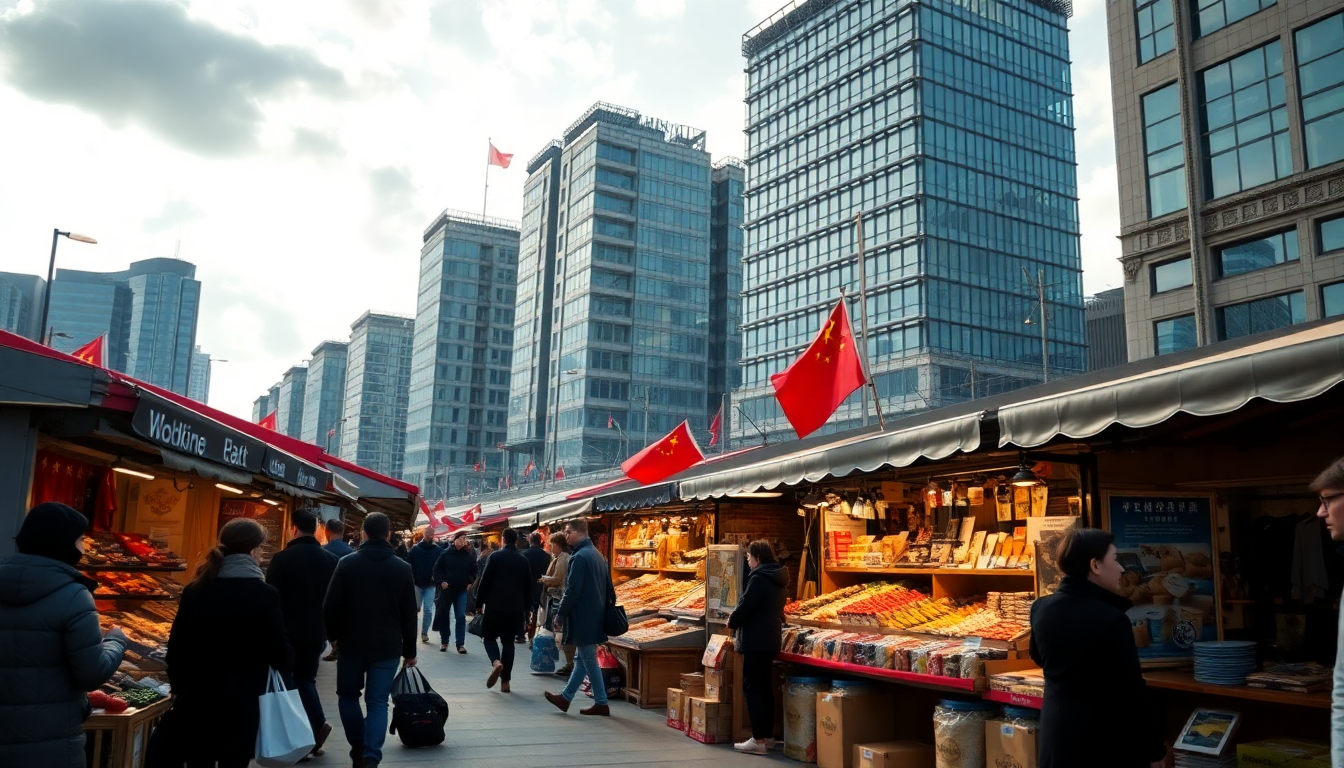
The relationship between the European Union and China has always been a two-way street, benefiting both sides. However, recent developments are making us rethink just how balanced that street really is. Jens Eskelund, the president of the European Union Chamber of Commerce in China, highlights a critical point: although bilateral trade has created significant value, the scales are tipping increasingly in favor of Beijing. So, what does this mean for European businesses, and why is there a pressing need for a fairer trade model? Let’s dig deeper.
Understanding the history of EU-China trade
For the past fifty years, the EU-China trade relationship has blossomed into one of the world’s most important economic partnerships. Chinese exports have not only fueled job growth in China but have also boosted purchasing power for everyday Europeans. This connection has resulted in a remarkable synergy where both parties have enjoyed substantial benefits. Yet, as Eskelund warns, the current situation raises some serious questions about whether this arrangement can continue to thrive.
As we consider this historical backdrop, it’s crucial to recognize the significant shifts that have taken place. China’s rapid economic growth has allowed it to ramp up its export capabilities. While this surge has been advantageous in the short term, it’s also putting increasing pressure on European companies. The challenge now is to strike a balance, ensuring that the relationship doesn’t end up costing European firms more than it benefits them.
Spotlighting the challenges in today’s trade landscape
The recent strains in the EU-China relationship stem from various factors. Geopolitical issues have made trade negotiations increasingly complex, with both sides grappling with tariffs and restrictions. The trade war sparked by the United States during the Trump administration has added fuel to the fire, pushing the EU to reassess its strategic stance.
On top of that, the COVID-19 pandemic has thrown a wrench into the works, disrupting supply chains and highlighting vulnerabilities in our dependence on Chinese manufacturing. As European companies face stiffer competition and mounting regulatory pressures, it begs the question: is our current trade model really sustainable? Eskelund’s comments reflect a growing concern among businesses about the risks tied to an unbalanced trade relationship.
Looking ahead: A call for fairer collaboration
As we gaze into the future, it’s clear that we need a revamped trade framework between the EU and China. Eskelund advocates for a collaborative approach that ensures both sides benefit equitably. This shift will require a frank evaluation of current trade practices and a strong commitment to fostering growth that works for everyone.
In summary, while the EU-China trade relationship holds the promise of continued value generation, it’s clear that we need to pivot toward a more balanced partnership. As European businesses navigate the complexities of an ever-changing trade environment, the focus must shift to building collaboration that supports all stakeholders involved. The road ahead will call for strategic dialogue and a readiness to adapt to the evolving economic landscape.


