
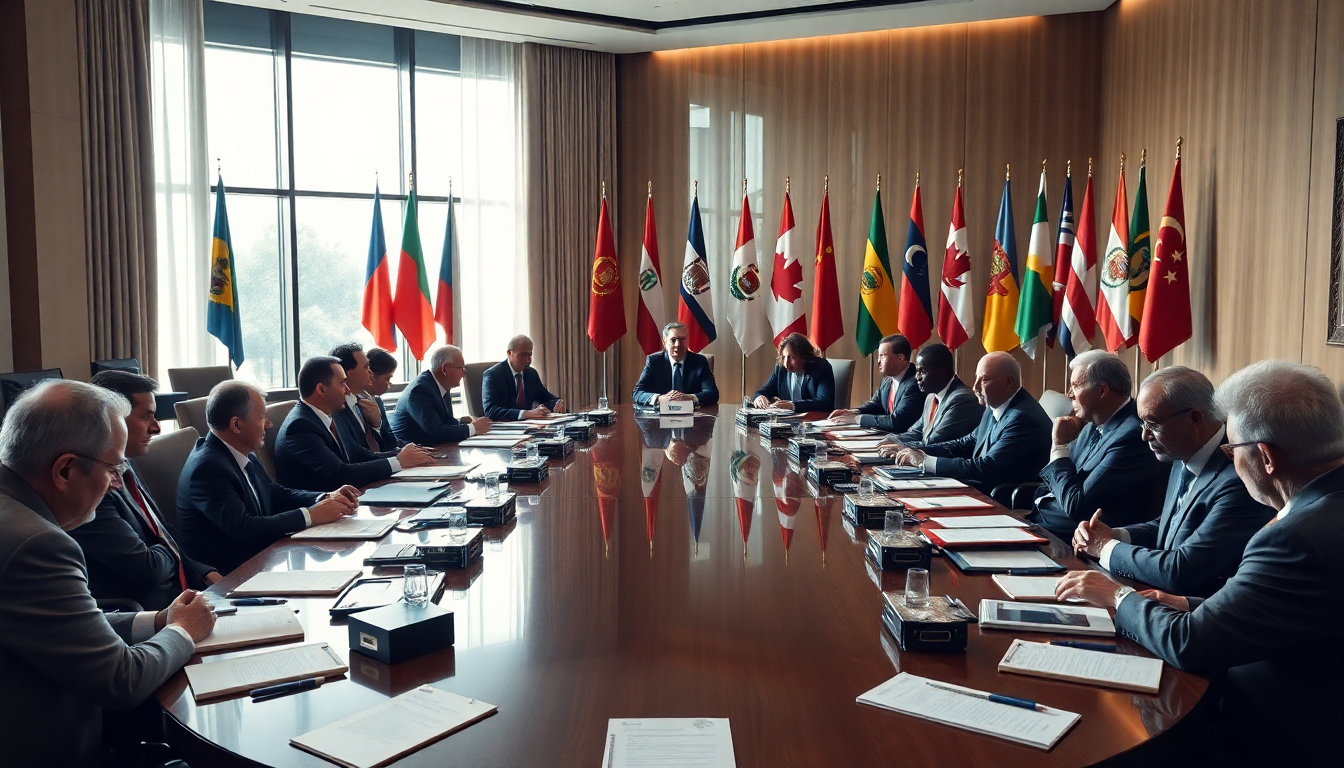
The ongoing nuclear negotiations with Iran are taking place amidst a climate of significant geopolitical tension. With multiple nations involved—including China, France, Germany, Russia, and the UK—all part of the original 2015 nuclear deal, the stakes are high. As these countries gather for talks in Istanbul, the implications of their discussions reach far beyond the negotiation table. Have you ever wondered how these talks could affect international relations and global security?
The Historical Context of the Nuclear Deal
Let’s take a step back. The 2015 nuclear deal, officially called the Joint Comprehensive Plan of Action (JCPOA), aimed to limit Iran’s nuclear ambitions in exchange for lifting economic sanctions. But everything changed in 2018 when the United States decided to pull out of the agreement, reinstating sanctions that hit Iran’s economy hard. This withdrawal didn’t just sour Iran’s relationship with the US; it complicated things for the other countries involved, who are now trying to keep the deal afloat.
With tensions escalating, especially after military actions targeting Iranian facilities, the need for dialogue has never been more urgent. The upcoming negotiations in Istanbul, involving deputy foreign ministers, signal that we’re in a high-stakes environment—where every word exchanged could have significant consequences.
Current Status of the Negotiations
As Britain, France, and Germany—collectively known as the E3—continue to advocate for renewed talks, critical deadlines are fast approaching. They’ve made it clear: if progress isn’t made, they’ll push for a restoration of United Nations sanctions against Iran by late August. This ultimatum underscores just how precarious the negotiations really are, especially in light of recent Israeli attacks that resulted in casualties among Iranian military and civilians.
Iran’s Foreign Minister, Abbas Araghchi, has raised concerns about the E3’s approach, urging them to move away from what he calls outdated pressure tactics. This plea for a more balanced approach highlights the fragility of the situation. The Iranian leadership insists that their nuclear program is for peaceful purposes—a claim that continues to be a sticking point in negotiations.
Implications for Global Security and Future Prospects
The outcome of these negotiations could have far-reaching implications, extending beyond the immediate parties involved. The stability of the Middle East hangs in the balance, with potential ripple effects on global security. Russia’s involvement adds another layer of complexity, given its strong ties with Iran and its supportive stance. Recent meetings between Russian President Vladimir Putin and Iranian officials suggest a shared interest in stabilizing the region, though their strategies differ.
So, what does the future hold? The prospect of reaching a renewed agreement is uncertain. Ongoing tensions and historical grievances make the diplomatic landscape challenging. Achieving a lasting resolution will require not just strategic negotiation but also genuine willingness for constructive dialogue. The stakes are incredibly high, and the world is watching closely as these nations navigate the intricate web of international relations surrounding Iran’s nuclear ambitions. What do you think will happen next?


