
Table of Contents
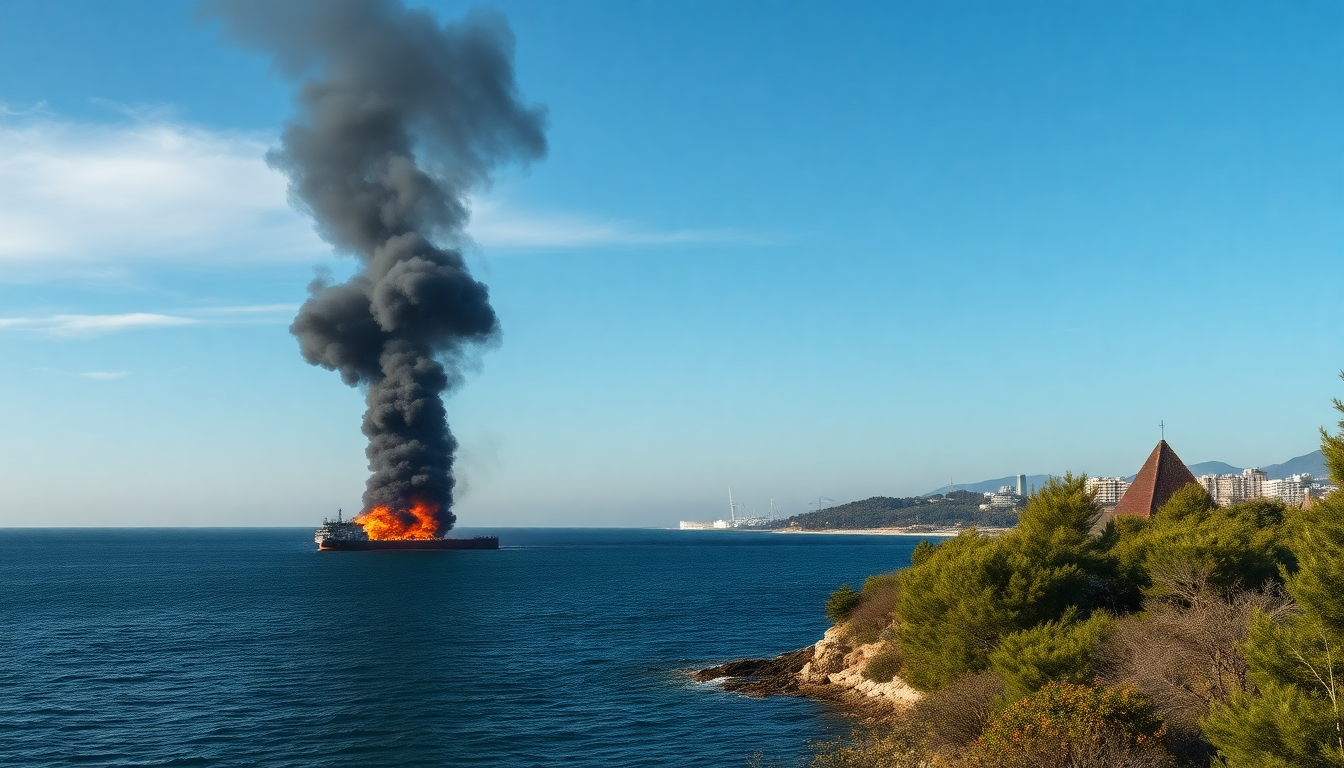
The recent surge in hostilities between Ukraine and Russia has grabbed the world’s attention again, particularly after a dramatic Ukrainian drone strike on an oil depot near the picturesque Black Sea resort of Sochi. This incident not only ignited a massive fire but also escalated the ongoing barrage of strikes between the two nations. With geopolitical tensions on the rise, it’s crucial to unpack what these developments mean for the broader conflict.
The immediate fallout from the drone attack
Russian officials reported that the drone strike inflicted significant damage, with debris hitting a fuel tank and sparking a major blaze. Over 120 firefighters were dispatched to tackle the flames, highlighting just how serious the situation is. Videos circulating on social media showed towering columns of smoke billowing from the oil depot, serving as a stark reminder of the conflict’s destructive nature.
In the wake of the attack, Russia’s civil aviation authority, Rosaviatsia, temporarily grounded flights at Sochi’s airport, underscoring the heightened state of alert in the region. Meanwhile, further north in Voronezh, authorities reported injuries from a separate drone strike, illustrating the widespread impact of this ongoing conflict.
Russia’s Defense Ministry claimed to have intercepted a notable number of Ukrainian drones during the night, showcasing its defense capabilities while also emphasizing the scale of the drone warfare unfolding. This back-and-forth exchange of strikes highlights the increasing intensity of the conflict, as both sides show their determination to keep military operations in motion.
Broader implications for Ukraine and Russia
As tensions escalate, it’s clear that these recent attacks carry serious implications for both countries. The Ukrainian air force has reported a surge in drones and missiles launched by Russia, revealing the aggressive military strategy being employed by Moscow. The fact that many drones were intercepted indicates ongoing efforts to safeguard critical infrastructure and civilian areas in Ukraine.
In a recent incident in Mykolaiv, a Russian missile strike injured several civilians, underscoring the conflict’s toll on innocent lives. The attacks are becoming increasingly lethal, with reports indicating that one of the deadliest weeks in recent months has resulted in numerous casualties, including children. Such tragedies highlight the human cost of war, making peace efforts all the more challenging.
Amid this chaos, international diplomacy is vital. Recent statements from U.S. President Donald Trump, calling for renewed peace initiatives, suggest a potential shift in external involvement. Trump’s push for a ceasefire and the warning of new economic sanctions if progress isn’t made could be pivotal in shaping the conflict’s future direction.
Looking ahead: What could happen next?
The ongoing drone warfare between Ukraine and Russia marks a notable shift in military tactics that could define the conflict’s future. As both nations continue to engage in retaliatory strikes, the international community is watching closely, trying to gauge the potential for escalation or de-escalation.
In the months ahead, the situation may evolve further, influenced by both military actions and diplomatic negotiations. The outcomes will hinge not just on Ukraine and Russia’s maneuvers but also on the involvement of global powers and their readiness to facilitate dialogue.
Ultimately, these recent attacks highlight a critical juncture in the conflict, with far-reaching implications for regional stability and international relations. The world is on edge, eagerly anticipating the next developments in this complex and tragic situation. What do you think will happen next? Will there be a path to peace, or are we on the brink of further escalation?