
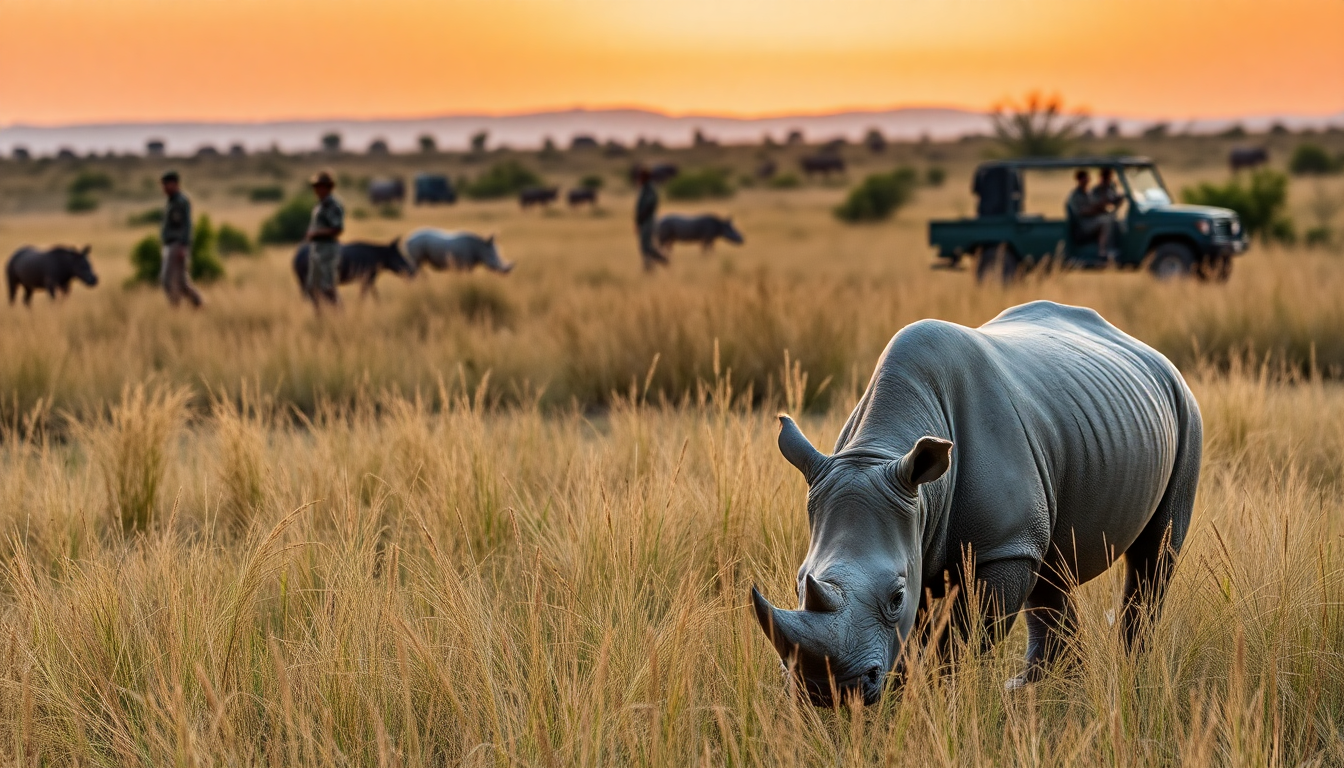
The recent arrest of John Hume, the former owner of the world’s largest rhino conservation farm, has sent shockwaves through the conservation community. This incident shines a spotlight on the ongoing battle against wildlife trafficking, particularly the illegal trade of rhino horns. It poses a serious threat to the survival of these magnificent animals. As investigations unfold, it’s essential to grasp the broader implications for conservation and wildlife protection. What does this mean for the future of these vulnerable species?
The Context of Rhino Horn Trafficking
Rhino horn trafficking is a complex and entrenched issue that has persisted for decades. The demand for rhino horns, especially in Southeast Asia, has fueled a black market that endangers the dwindling populations of these incredible creatures. South African authorities, including the specialized Hawks unit, have been relentless in their pursuit of those involved in this illicit trade. But is it enough?
John Hume, who owned the “Platinum Rhino” farm in South Africa’s North West province, was once celebrated as a pioneer in rhino conservation. With around 2,000 animals under his care, his farm represented a significant chunk of the southern white rhino population. However, recent allegations of fraud involving government officials and the illegal export of rhino horns reveal a troubling underbelly to conservation efforts. What happened to the noble cause?
Investigators discovered that permits for 964 rhino horns, originally issued for local sales, were diverted to illegal markets. This shocking revelation highlights the vulnerabilities in wildlife protection regulations and the daunting challenges faced by conservationists striving to safeguard these endangered species.
Impacts on Conservation Efforts
The implications of Hume’s arrest extend far beyond the immediate legal consequences. Wildlife trafficking not only threatens the existence of rhinos but also undermines the work of genuine conservation organizations. The illegal trade can siphon off attention and resources from crucial conservation initiatives that focus on habitat preservation and anti-poaching efforts. Isn’t it frustrating when the very systems meant to protect these animals are exploited?
Moreover, the involvement of corrupt officials in the permitting process raises serious questions about the integrity of wildlife protection policies. Such corruption can erode public trust and diminish support for conservation programs, making it even more challenging to secure a future for endangered species. How can we trust a system that seems so compromised?
As the legal proceedings against Hume and his associates unfold, it’s vital for conservationists to advocate for stronger regulations and greater transparency within wildlife management. The goal must be to create a robust framework that prioritizes the protection of endangered species and minimizes opportunities for illegal activities. What steps can we take to ensure these animals are truly protected?
Looking Ahead: Strategies for Effective Conservation
In light of these recent events, it’s crucial for conservation organizations and governments to rethink their strategies to combat wildlife trafficking. Collaborative efforts involving local communities, law enforcement, and international organizations are essential in tackling the root causes of the illegal trade. Can we unite to make a difference?
Investing in education and awareness programs can help diminish the demand for rhino horns by informing potential consumers about the devastating consequences of their actions. Additionally, leveraging technology in monitoring and enforcement can significantly enhance the effectiveness of anti-trafficking measures. Imagine a world where technology plays a key role in saving our wildlife!
As we look to the future, it’s imperative to learn from these incidents and roll out comprehensive strategies that not only tackle the symptoms of wildlife trafficking but also address the systemic issues that allow it to thrive. Only through concerted efforts can we hope to ensure the survival of rhinos and other endangered species. Are we ready to step up and take responsibility?


