
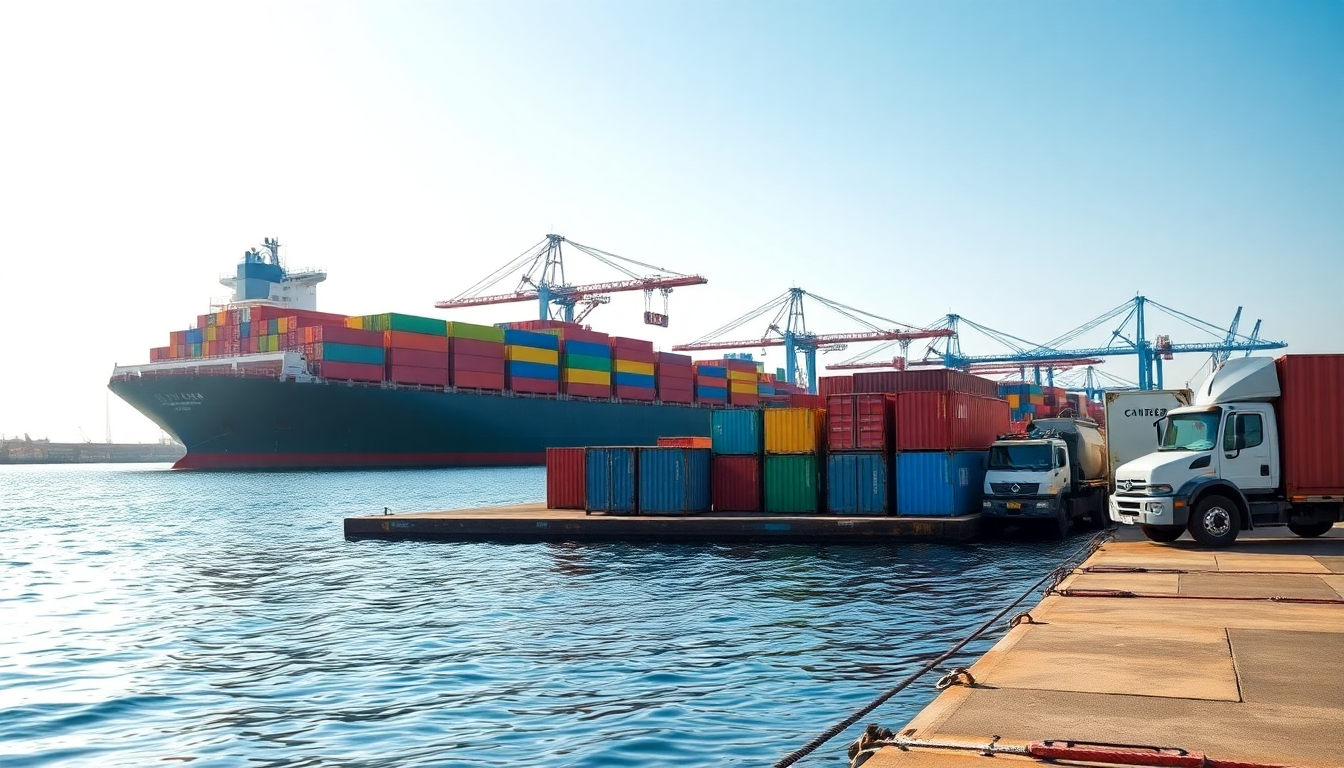
The world of international trade is buzzing with activity, driven by a whirlwind of negotiations and tariff changes that are reshaping economic ties everywhere. Recently, the U.S. administration kicked off discussions with key players in Asia, including Japan, China, and Indonesia, aiming to hammer out trade agreements that could help ease the financial strain caused by high tariffs. But what does this really mean for the global economy? Well, it goes beyond just trade deals; these discussions could have a major impact on growth rates and market stability around the world.
The Latest on Trade Negotiations
As trade talks progress, the U.S. has struck a deal with Japan, slashing proposed tariffs on imports from 25% down to 15%. This is a big win for automotive giants like Toyota and Honda, whose stocks saw a nice bump after the announcement. But this isn’t just about Japan; the U.S. is also in talks with the Philippines and Indonesia, looking to establish similar agreements to lighten the tariff load.
However, negotiations with China are proving to be trickier. U.S. Treasury Secretary Scott Bessent has hinted that the deadline for an agreement might be pushed back, leaving a cloud of uncertainty hanging over the global market. The previously high tariffs on steel and aluminum imports are still in play, impacting several countries and sending shockwaves through the Asian economy.
As the August 1 deadline approaches, there’s a palpable tension among the nations involved. If agreements aren’t reached, countries like South Korea, Myanmar, and Laos could face steep tariffs, which would only heighten economic tensions and disrupt trade flows. Who wants that kind of chaos in the market?
The Economic Effects of Tariffs
Historically, tariffs have a way of stifling economic growth. Economists are sounding the alarm, warning that the current trade landscape might lead to lower growth forecasts. The Asian Development Bank has adjusted its projections for developing economies in Asia and the Pacific, estimating a mere 4.7% growth rate by 2025. That’s a tough pill to swallow in a region already facing significant economic challenges.
The uncertainty swirling around trade policies, combined with the threat of escalating tariffs, is putting pressure on both manufacturers and consumers. The fear of rising costs and disrupted supply chains is making businesses hesitant to commit to long-term investments, especially in China, where market conditions are already on shaky ground.
As countries try to navigate these tricky trade negotiations, they also have to deal with domestic economic pressures. The potential for increased tariffs could lead to higher costs for consumers, making the road to economic recovery even bumpier.
Looking Ahead: What’s Next?
So, what does the future hold? The outcome of these trade talks is set to have significant ramifications for the global economy. If trade tensions escalate further, it could threaten growth prospects, particularly in Southeast Asia, where economies are tightly linked through various trade agreements. As AMRO’s chief economist points out, slow progress in tariff negotiations can lead to even more disruptions in trade.
For investors and businesses, grasping the complex dynamics of these trade agreements is essential. The takeaway here? Being adaptable and staying informed about market shifts will be crucial as international trade continues to evolve. With countries keen to safeguard their economic interests, changes in one region can significantly impact others. Isn’t it fascinating how interconnected our world really is?
In conclusion, while recent trade negotiations might offer some temporary relief, the broader economic implications and uncertainties surrounding tariffs are something we all need to keep an eye on. For anyone involved in the market, staying updated on these developments will be key to making smart decisions in this ever-changing economic landscape.


